
Pakshipathalam
Pakshipathalam bird sanctuary and cave trek in Brahmagiri Hills, Wayanad. A challenging 7 km forest trek to ancient caves at 1740m elevation. Entry ₹50, near Thirunelli. Permits required.
Pakshipathalam is a remote bird sanctuary and cave trekking destination situated in the Brahmagiri Hills of northern Wayanad, Kerala. Perched at an elevation of approximately 1740 meters above sea level, this protected area is part of the Brahmagiri Wildlife Sanctuary and is renowned for its extraordinary avian diversity, ancient meditation caves, and pristine shola-grassland ecosystems. The name translates roughly to “the abode of birds” in Malayalam, and the site lives up to it with over 200 recorded bird species, many of them endemic to the Western Ghats.
The Trek
The trek to Pakshipathalam is one of the most rewarding forest treks in Wayanad, covering approximately 7 km one way through dense tropical and subtropical forest. The trail begins near the Thirunelli temple area and climbs steadily through the Brahmagiri range, gaining significant elevation over its course.
The initial section of the trek passes through semi-evergreen forest with a well-defined path. As you ascend, the vegetation transitions to montane shola forest interspersed with grasslands, offering increasingly panoramic views of the surrounding hills and valleys. The air cools noticeably as you gain altitude, and the forest becomes mistier and more atmospheric.
The middle section of the trail is the most demanding, with steeper gradients and occasional rocky patches that require careful footing. During and after monsoon, leeches are prevalent in this section, so leech socks or salt are useful precautions. The forest here is thick with moss-covered trees, epiphytes, and ferns, creating an almost otherworldly atmosphere.
The final approach to the caves involves navigating a rocky, boulder-strewn landscape. The caves themselves are formed by massive rocks leaning against each other, creating natural chambers and passages of varying sizes. Some openings are narrow enough to require crawling, while others are large enough to stand in. These caves have been used for centuries by hermits and sages seeking solitude for meditation.
The round trip typically takes 6-8 hours including time spent at the caves and for birdwatching. An early start (by 7:00 AM) is strongly recommended to allow adequate daylight for the return trek.
Wildlife and Birds
Pakshipathalam’s location in the Brahmagiri Hills places it within one of the richest biodiversity hotspots in the Western Ghats. The sanctuary supports a remarkable concentration of bird species, making it a destination of particular interest to serious birdwatchers.
Notable bird species found in the area include the Malabar trogon, great Indian hornbill, Nilgiri wood pigeon, white-bellied treepie, Nilgiri flycatcher, rufous babbler, Wayanad laughingthrush, and various species of barbets and woodpeckers. The shola-grassland habitat at higher elevations supports species that are rarely found elsewhere in Kerala, including several that are classified as vulnerable or near-threatened.
Beyond birds, the Brahmagiri forests are home to elephants, gaur (Indian bison), sambar deer, wild boar, Malabar giant squirrels, and Nilgiri langurs. Leopards and tigers are present but rarely seen. The forest floor supports a rich variety of reptiles and amphibians, including several endemic species of frogs that are active during the monsoon months.
The area is also botanically significant, with numerous endemic plant species including rare orchids, medicinal herbs, and ancient tree species. The shola forests at higher elevations are among the most ecologically sensitive habitats in southern India.
How to Reach
From Kalpetta (70 km, 2.5 hours): Drive north towards Mananthavady, then continue towards Thirunelli. The road passes through scenic hill terrain and forest areas. The last stretch to Thirunelli is on a winding hill road. From Thirunelli, the trek starting point is a short drive.
From Mananthavady (35 km, 1.5 hours): Take the road towards Thirunelli via Tholpetty. This route passes near the Tholpetty Wildlife Sanctuary and offers potential wildlife sightings along the way.
From Sultan Bathery (75 km, 2.5 hours): Drive northwest through Kalpetta or via Mananthavady towards Thirunelli.
By Public Transport: Buses operate from Mananthavady to Thirunelli, though service is limited. From Thirunelli, you will need to arrange local transport to the trek starting point. It is more practical to hire a vehicle for the day from Kalpetta or Mananthavady.
Important: Obtain your forest permit from the Thirunelli Forest Range Office before heading to the trek starting point. Arriving early (by 7:00 AM) is essential as the trek is long and permits may have daily limits.
Nearby Attractions
The northern part of Wayanad around Thirunelli offers several other attractions that can be combined with a Pakshipathalam visit:
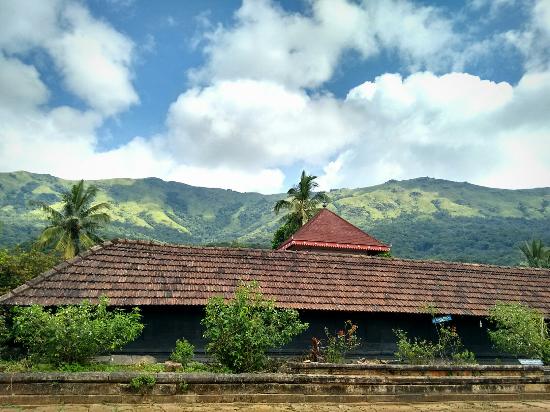
- Thirunelli Temple: An ancient Vishnu temple located about 5 km from the Pakshipathalam trek starting point. Known as the “Kashi of the South,” this temple sits in a scenic valley surrounded by mountains and is well worth visiting before or after the trek.
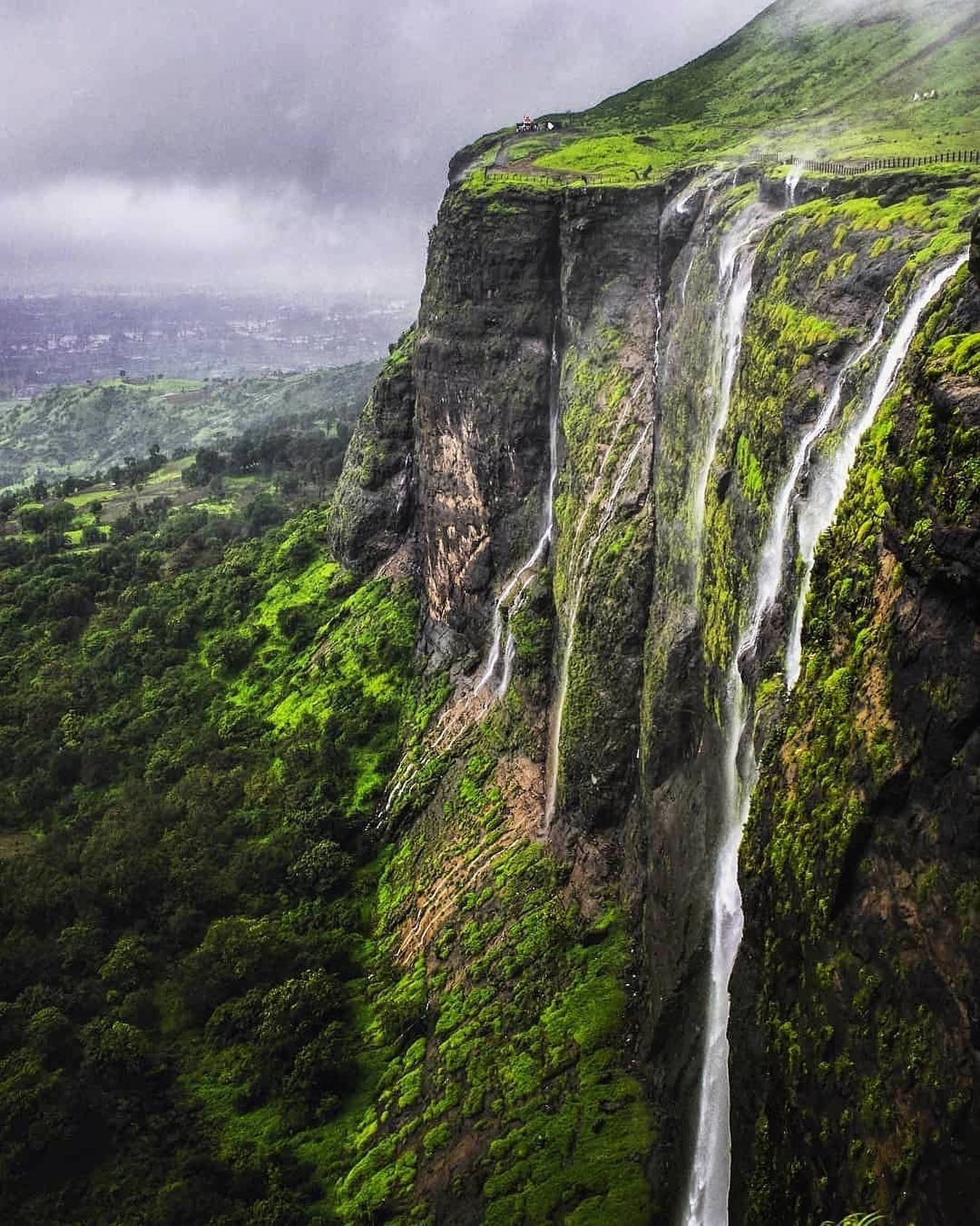
- Brahmagiri Hills: The broader Brahmagiri range offers additional trekking opportunities and viewpoints. The Brahmagiri peak trek is another popular option for experienced hikers.
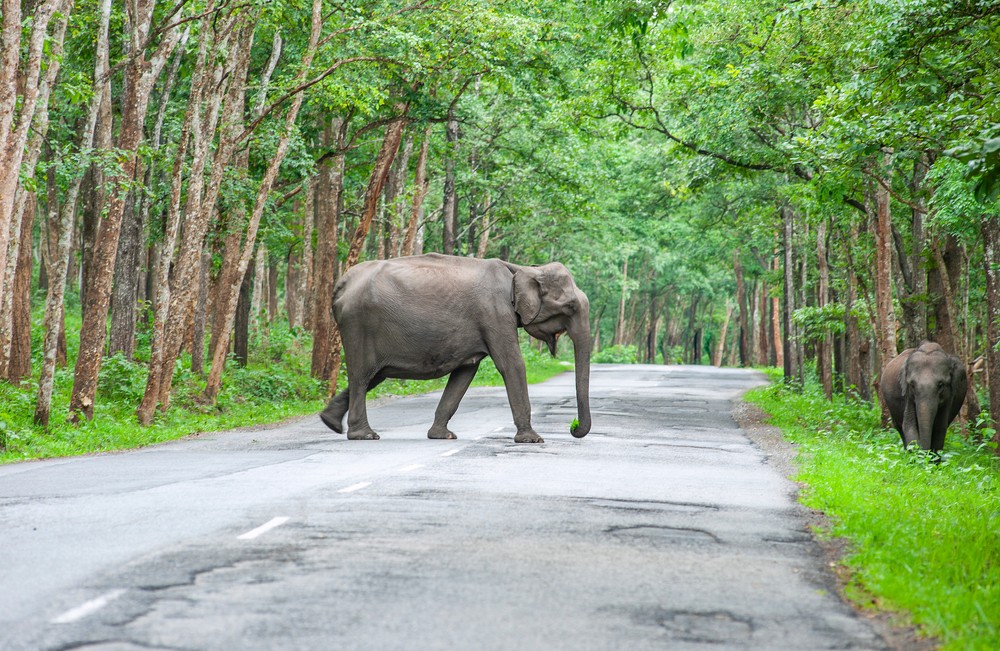
- Tholpetty Wildlife Sanctuary: Located about 20 km from Thirunelli, this wildlife sanctuary offers jeep safaris with good chances of spotting elephants, gaur, and deer.
Visiting Information
Opening Hours: Dawn to dusk (trek must begin by 8:00 AM to ensure return before dark)
Entry Fee: ₹50 per person (additional guide fee: ₹300-500 per group)
Permit: Mandatory forest permit from Thirunelli Forest Range Office
Best Season: October to February
Trek Distance: 7 km one way (approximately 3-4 hours each way)
Difficulty Level: Moderate to difficult
Recommended Duration: Full day (6-8 hours for the round trip)
Group Size: Limited by Forest Department regulations; typically 10-15 persons per batch
What to Bring: Sturdy trekking shoes, leech socks or salt, at least 2 liters of water per person, packed lunch, torch/flashlight for caves, rain jacket, insect repellent, binoculars for birdwatching, and a walking stick
Facilities: No facilities at the caves. Basic amenities available at Thirunelli village. Nearest accommodation in Thirunelli or Tholpetty area.
Physical Requirements: Good fitness level required. The trek involves sustained uphill walking over uneven terrain. Not suitable for young children, elderly visitors with mobility issues, or those with heart or respiratory conditions.
Safety Notes: Always trek with the assigned forest guide. Do not stray from the marked path. Elephant and gaur encounters are possible, so follow your guide’s instructions carefully. Carry sufficient water as there are no reliable water sources along the upper trail. Mobile network coverage is unavailable for most of the trek.
Explore Trip Plans
Plan Your Visit
Get help with stays, transport & itinerary for Pakshipathalam
Chat on WhatsAppFree trip planning assistance
Frequently Asked Questions
Do I need a permit to visit Pakshipathalam?
Yes, a forest permit is mandatory for the Pakshipathalam trek. Permits can be obtained from the Forest Range Office at Thirunelli. The number of visitors per day is limited to protect the fragile ecosystem, so it is advisable to apply in advance, especially during peak season (October-February). You must carry valid photo ID.
How difficult is the Pakshipathalam trek?
The trek is rated as moderate to difficult. It covers approximately 7 km one way through dense forest with significant elevation gain, reaching about 1740 meters above sea level. The trail passes through leech-prone areas during monsoon and involves scrambling over rocks near the caves. Good physical fitness is essential, and the round trip takes 6-8 hours.
What birds can I see at Pakshipathalam?
Pakshipathalam is home to a wide variety of bird species including Malabar trogons, great Indian hornbills, Nilgiri wood pigeons, white-bellied treepies, Nilgiri flycatchers, and various species of barbets, woodpeckers, and laughingthrushes. The area is especially rich in endemic Western Ghats species. Early morning visits yield the best birdwatching opportunities.
What are the caves at Pakshipathalam like?
The caves at Pakshipathalam are natural rock formations created by large boulders resting against each other on the mountainside. Some caves are quite narrow and require crawling to enter. They were historically used by hermits and sages for meditation. The interiors are dark and may house bats, so carrying a torch is essential.
What is the best time to visit Pakshipathalam?
The best time to visit is from October to February when the weather is cool and dry, trails are in good condition, and bird activity is high. Avoid the monsoon months (June-September) when leeches are abundant, trails become dangerously slippery, and visibility is poor. March to May is possible but can be warm at lower elevations.
Can I do the Pakshipathalam trek without a guide?
No. A forest guide is mandatory for the Pakshipathalam trek. Guides are assigned by the Forest Department when you obtain your permit at the Thirunelli Range Office. The trail passes through dense forest with limited markings, and the guide ensures visitor safety and helps navigate to the caves.
Is camping allowed at Pakshipathalam?
Camping is generally not permitted at Pakshipathalam without special permission from the Forest Department. The trek is designed as a day trip. If you wish to camp, inquire with the Forest Range Office at Thirunelli well in advance, as permissions are granted on a case-by-case basis.
Nearby Places to Explore
 attraction
 Brahmagiri Hills
Brahmagiri Hills is a scenic mountain range known for trekking and its natural beauty.
 attraction
 Thirunelli Temple
An ancient temple dedicated to Lord Vishnu.
 attraction
 Tholpetty Wildlife Sanctuary
A wildlife sanctuary known for elephant sightings and diverse flora and fauna.