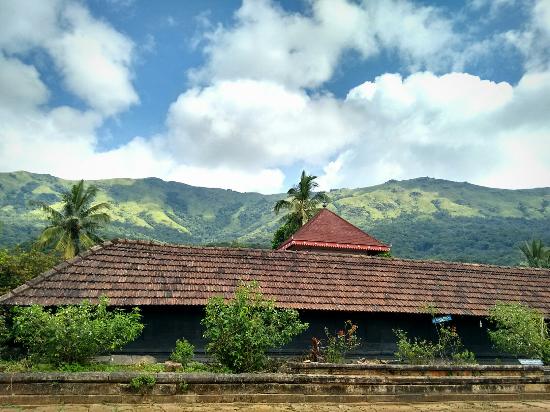
Thirunelli Temple
An ancient temple dedicated to Lord Vishnu.
Thirunelli Temple, located in the Brahmagiri Hills of Wayanad, Kerala at an elevation of approximately 900 meters, is an ancient and venerated shrine dedicated to Lord Vishnu, recognized as one of the 108 Divya Desams (sacred destinations) for Vaishnavites and believed to have been established by Lord Brahma himself, serving as a significant pilgrimage center for ancestral rites and spiritual seeking.
Current Status
Thirunelli Temple remains an active and fully operational place of worship, welcoming devotees and spiritual seekers throughout the year. The temple continues its ancient traditions of performing rituals and pujas with meticulous adherence to Vedic protocols. Despite being a remote location in the Brahmagiri Hills, the temple maintains excellent accessibility and visitor facilities, balancing spiritual authenticity with contemporary needs. The temple’s protected status ensures preservation of its architectural and spiritual heritage for future generations.
Location and Geography
Thirunelli Temple is situated within the Brahmagiri Hills, a significant geographical feature of the Western Ghats. Located at an elevation of approximately 900 meters above sea level, the temple occupies a unique position where mountain meets forest in an area of exceptional natural beauty. The coordinates place it approximately 32 kilometers northeast of Mananthavady, the district headquarters, and about 40 kilometers from Kalpetta. Sultan Bathery is also approximately 35 kilometers distant.
The temple’s setting within the Brahmagiri Hills provides a distinctive geographical character. The hills themselves rise prominently from the surrounding landscape, creating a naturally sacred setting that has drawn spiritual seekers for centuries. The elevation places the temple in a cooler microclimate compared to lower-lying areas, with frequent mist and cloud formations creating an ethereal atmosphere, particularly during monsoon and winter seasons. The immediate surroundings comprise evergreen forests, traditional settlements, and the sacred Papanasini stream that flows nearby.
The Brahmagiri peak, the highest point of the Brahmagiri range at 2,400 meters, stands approximately 12 kilometers from the temple, offering trekking opportunities and panoramic vistas for those seeking combined spiritual and adventure experiences.
History and Legend
Divine Origins
Thirunelli Temple stands apart from most Hindu temples through its unique mythological narrative. According to temple tradition and ancient texts, Lord Brahma himself established this temple, making it one of the rare temples directly created by the creator deity. This legend distinguishes Thirunelli from other temples built by human architects following divine inspiration. The association with Lord Brahma elevates the temple’s spiritual significance in Hindu cosmology, as Brahma is the supreme creator in the Hindu trinity.
Ancient Lineage
The temple’s documented history extends over 1,000 years, with references appearing in ancient Hindu scriptures and Puranas. Inscriptions within the temple complex provide evidence of its antiquity and the various royal dynasties that patronized it throughout history. The temple dates to at least the first millennium CE, making it contemporaneous with some of Kerala’s oldest religious structures. This historical depth connects the temple to crucial periods of Kerala’s cultural development.
Kashi of the South
Thirunelli Temple earned the honorific title “Kashi of the South” due to its role in performing ancestral rites and final rituals (Shraddha) for the deceased, comparable to the sacred city of Kashi (Varanasi) in North India. This function has attracted pilgrims for centuries seeking to perform final rites for deceased family members. The parallel with Kashi places Thirunelli in the uppermost tier of sacred pilgrimage destinations in South India, with spiritual significance recognized across Hindu traditions.
Textual References
The temple features in various ancient texts and Puranas that document sacred sites and their historical significance. These references provide historical validation of the temple’s antiquity and spiritual importance. Local legends and oral traditions have preserved stories of divine interventions and miracles attributed to the temple’s deity throughout centuries.
Architecture
Structural Design
The temple’s architecture represents an exceptional example of ancient Kerala temple construction, executed without the use of modern cement or mortar. The structure demonstrates sophisticated understanding of structural engineering using only stone, creating a testament to the architectural knowledge of ancient builders. The use of traditional methods of stone-fitting and construction techniques reveals deep expertise in creating durable structures that have withstood centuries of environmental exposure.
The 30 Granite Pillars
The temple’s most distinctive architectural feature is the presence of 30 intricately carved granite pillars supporting the main structure. These pillars showcase fine craftsmanship with detailed carvings depicting religious iconography, celestial beings, and decorative motifs characteristic of Kerala’s architectural traditions. The pillars serve both structural and aesthetic functions, creating a colonnade effect that frames the sacred spaces. The uniformity and precision of these pillars demonstrate organizational capability and artistic consistency.
Absence of Gopuram
Unlike most Hindu temples across India, Thirunelli Temple notably lacks a gopuram (temple tower), following a unique architectural tradition. This distinction reflects specific regional architectural practices and possibly the temple’s antiquity, predating the gopuram tradition that became prominent in later temple construction. The open-air design creates a more intimate connection between worshippers and the natural landscape, allowing the surrounding Brahmagiri landscape to serve as a spiritual backdrop to the sacred space.
Material and Durability
Exclusive use of local granite and stone materials demonstrates harmony with the local environment. The selection of durable materials ensured the temple’s survival through centuries of monsoon exposure and environmental weathering. The construction quality indicates that materials were carefully sourced and positioned to maximize longevity. The minimal need for repairs over centuries validates the original builders’ technical excellence.
Sacred Spaces
The main sanctum (garbhagriha) houses the deity and maintains the traditional Kerala temple design. The processional pathways around the shrine maintain ritually significant circumambulation routes (pradakshina). Separate areas accommodate prayer, meditation, and ritual performances. Multiple shrines within the temple complex serve different religious functions and honor different deities in the Hindu pantheon.
Religious Significance
Vaishnavite Importance
As one of 108 Divya Desams recognized in Vaishnavite theology, Thirunelli Temple holds paramount significance for devotees of Lord Vishnu. These 108 temples represent the most sacred pilgrimage destinations in the Vaishnavite tradition, with visiting all 108 considered spiritually meritorious. Thirunelli’s inclusion in this exalted list reflects its recognized importance in Hindu spiritual geography and tradition.
Ancestral Rites and Rituals
The temple’s primary function includes performing Shraddha (ancestral ritual ceremonies) for the deceased. These rituals, believed to benefit the souls of ancestors and ensure their peaceful afterlife, draw pilgrims from across India. The Papanasini stream, flowing near the temple, serves as the ritual purification site where these ceremonies culminate. This specialized function creates a continuous stream of pilgrims throughout the year seeking this sacred service.
Sahya Vaikundam Designation
The temple’s spiritual title as “Sahya Vaikundam” (Vaikundam of the Sahya mountains) places it within the geography of sacred mythology. This designation associates the temple with Vaikundam, the abode of Lord Vishnu in Hindu cosmology, suggesting that devotional practice at this location provides direct spiritual connection to divine realms. The designation elevates the location from mere physical space to sacred geography within Hindu spiritual mapping.
Pilgrimage Destination
Beyond its specialized ritual functions, Thirunelli Temple attracts general pilgrims seeking blessings, spiritual guidance, and connection with the divine. The journey to the temple itself becomes a spiritual undertaking, with many undertaking the trek as a form of devotional discipline. The remote mountain location necessitates effort and commitment, adding spiritual significance to the pilgrimage journey itself.
Pooja Timings and Rituals
Morning Rituals
The temple opens early at 5:30 AM for morning rituals (Usha Kalam). These early morning ceremonies hold particular significance in Hindu temple traditions, believed to be the most spiritually potent time for worship. The main Puja rituals commence following traditional Vedic protocols. Morning worship attracts devotees seeking spiritual benefits during this auspicious time.
Afternoon Schedule
The temple typically remains open during afternoon hours (12:00 PM to 5:30 PM) for individual visitor access and informal worship. This period allows pilgrims to perform personal prayers and circumambulation of the shrine. Afternoon hours are generally quieter, providing meditative atmosphere for spiritual practice.
Evening Rituals
Evening prayers (Sandhyavandanam) commence at 5:30 PM, marking the transition between day and night. Evening Puja rituals occur around this time, attracting evening devotees. The temple remains open until 8:00 PM for evening worship. Evening prayers hold special spiritual significance, often attended by devotees seeking closure and reflection at day’s end.
Shraddha Ceremonies
Ancestral rite ceremonies (Shraddha) can be arranged throughout the year, particularly during designated lunar periods believed auspicious for such rituals. Families coordinate with temple priests to perform these essential ceremonies. The procedures follow precise Vedic protocols maintained by trained temple priests.
Special Pujas and Festivals
Various special pujas can be requested for specific intentions or occasions. Major Hindu festivals like Visakha Nakshatra (birthday of Lord Vishnu) receive special celebrations. Navaratri period witnesses intensified worship. Festival timings vary annually based on lunar calendars; verification locally is advisable.
Priest Consultations
Temple priests are available for consultations regarding specific ritual requirements, auspicious timings, and spiritual guidance. Their expertise ensures that ceremonies are performed correctly and achieve intended spiritual objectives.
How to Reach
From Mananthavady
Mananthavady, the closest major town, is situated 32 kilometers from Thirunelli Temple. Head east from Mananthavady toward Thirunelli village following NH766. The road winds through forested terrain and rural areas. Taxis and auto-rickshaws charge approximately ₹500-800 for the journey taking 45-60 minutes depending on traffic. Direct buses to Thirunelli are less frequent but operate from Mananthavady town.
From Kalpetta
Kalpetta is positioned approximately 40 kilometers from the temple. Travel through Mananthavady following the same highway route. Journey time is approximately 1.5 hours by private vehicle. Regular bus services operate from Kalpetta to Mananthavady, from where local transportation continues to Thirunelli.
From Sultan Bathery
Sultan Bathery is about 35 kilometers from Thirunelli Temple. Follow roads toward Mananthavady and then continue toward Thirunelli. The journey takes approximately 1.5 hours. Sultan Bathery offers some accommodation options, making it an alternative base for visits.
By Air
The nearest airport is Calicut International Airport (Kozhikode) located approximately 130 kilometers away. Travel time from airport to Thirunelli Temple is approximately 3-3.5 hours including Mananthavady passage. Taxi arrangements from airport require advance booking for convenient access.
By Train
Kozhikode Railway Station is the nearest major rail terminal, approximately 120 kilometers away. Journey time from station to temple is approximately 3.5 hours. From railway station, arrange taxis or buses to Mananthavady, then continue to Thirunelli. This route is suitable for those arriving via major railway networks.
Road Conditions
The road from Mananthavady to Thirunelli is reasonably well-maintained. Hairpin turns and elevation changes characterize the approach as the road climbs toward the Brahmagiri hills. During monsoon season (June-August), road conditions can be challenging; travel during other seasons is advisable. Local guides from Mananthavady are familiar with optimal routes.
Best Time to Visit
Peak Season: October to March
The optimal period for visiting Thirunelli Temple spans October through March, when weather conditions are most favorable. October marks the beginning of the post-monsoon period with clear skies and comfortable temperatures. November through February represents the best months, offering cool temperatures (15-25°C), clear visibility, and minimal rainfall. March sees slightly increasing temperatures but maintains pleasant conditions.
Monsoon Period: June to August
The southwest monsoon brings heavy rainfall to the region from June to August. While the area’s scenic beauty intensifies during this period with lush greenery and enhanced water flows in streams, travel becomes challenging due to slippery roads and occasional landslides. The Papanasini stream flows with increased volume, creating dramatic waterfalls. Many visitors avoid this period due to travel difficulties, though spiritual seekers sometimes visit specifically for the atmospheric intensity.
Shoulder Seasons: April-May and September
April and May witness increasing temperatures but remain accessible. These months see fewer pilgrims. May can be quite warm, making trekking challenging. September, as the monsoon concludes, brings moderate rainfall and improving conditions. These months offer the advantage of fewer crowds while maintaining reasonable accessibility.
Festival Timing
Visakha Nakshatra, celebrating Lord Vishnu’s birth, brings increased pilgrimage and festive celebrations, typically occurring in April-May. Navaratri period (September-October) witnesses special worship and increased temple activity. Checking lunar calendars locally helps identify the precise timing of these festivals.
Temperature Variations
Thirunelli’s elevation of 900 meters provides notably cooler temperatures compared to lower-lying Wayanad areas. Morning temperatures during winter can drop to 12-15°C, requiring light warm clothing. The elevation also means more frequent cloud cover and mist, particularly during monsoon and winter seasons. This cooler climate can be advantageous during hot seasons.
Entry and Dress Code
Entry Procedures
Thirunelli Temple welcomes visitors of all faiths and backgrounds. No formal entry fee is charged, though voluntary donations support temple maintenance and rituals. Visitors should register at the temple entrance or with priests if performing special rituals. The temple maintains security protocols ensuring safety and order.
Dress Code Requirements
Visitors are expected to dress conservatively and respectfully. Traditional attire is particularly appreciated. Men should wear shirts or upper garments; sleeveless vests or shirtless entry is not permitted. Women should wear dupatas or shawls to cover shoulders and chest. Avoid tight-fitting clothes. Pants or churidars for women and trousers for men are acceptable. Footwear is removed before entering the inner sanctum and temple halls.
Photography Considerations
Photography in outer temple areas is generally permitted. However, photography is typically prohibited in the inner sanctum or during active worship to maintain sanctity. Permission should be sought from priests before photographing specific areas. Flash photography is inappropriate and often prohibited, especially during rituals.
Ritual Participation
Visitors can participate in temple rituals and prayers through the guidance of temple priests. Specific rituals have particular protocols; seeking priest guidance ensures proper participation. Darshan (viewing the deity) occurs during designated times. Prasadam (blessed offering) is typically distributed to devotees at the conclusion of prayers.
Brahmagiri Trek from Temple
Trek Overview
The Brahmagiri Trek, originating from Thirunelli Temple, represents one of Kerala’s most rewarding mountain trekking experiences. The approximately 12-kilometer round-trip trek ascends to Brahmagiri Peak (2,400 meters), the highest point of the Brahmagiri range. The trek combines spiritual pilgrimage with adventure trekking, offering panoramic vistas and evergreen forest immersion.
Route Details
The trek commences from the temple area and follows established trails ascending gradually through forest terrain. The path winds through evergreen forests rich with diverse flora. Several rest points punctuate the route, allowing recovery and appreciation of surroundings. The final ascent to the peak is steep but achievable with moderate fitness. Total trekking duration is approximately 4-6 hours depending on fitness and pace.
Flora and Fauna Along Trek
The trek route passes through pristine evergreen forest ecosystems hosting numerous plant species. Wildlife encounters are possible, including various bird species, small mammals, and occasional larger fauna. Seasonal variations create different flora displays; flowering seasons bring vibrant colors. The diversity of ecosystem zones creates varied landscape experiences throughout the trek.
Panoramic Views
From Brahmagiri Peak, on clear days, extensive vistas encompassing surrounding Wayanad landscape, distant plains, and neighboring Western Ghats ranges are visible. The elevation provides perspective on regional geography and natural features. Sunset or sunrise visits enhance visual impact, though these require early starts or strategic timing.
Trek Difficulty and Duration
The trek is classified as moderate, suitable for people with reasonable fitness levels. Those unaccustomed to altitude or steep terrain may find it challenging. The 12-kilometer distance and elevation gain of approximately 1,500 meters require preparation. Professional guides can be arranged through the temple or Mananthavady travel agencies.
Safety Considerations
The established trail generally remains safe, though proper footwear and cautious footing prevent slips on steep sections. Weather conditions can change rapidly; weather assessment before trekking is advised. The trek should not be attempted during heavy monsoon rains due to landslide risks. Carrying adequate water and nutritional supplies is essential. Solo trekking is not recommended; guides provide safety and enhanced experience.
Flora and Fauna around the Temple
Evergreen Forest Ecosystem
The temple’s setting within evergreen tropical forests represents one of Kerala’s most biodiverse ecosystems. These forests maintain continuous green cover throughout the year, supporting complex ecological relationships. Tall canopy species, sub-canopy layers, and ground flora create multi-layered forest structure. The forest’s moisture-retaining characteristics support high biodiversity.
Tree Species
Dominant tree species include various dipterocarp species, ironwood, rosewood, and teak. These large canopy trees provide structural integrity and wildlife habitat. Smaller species in sub-canopy layers create interconnected ecological communities. Palm species and bamboo contribute to forest diversity. Many species are endemic to Western Ghats regions.
Plant Diversity
Beyond trees, the ecosystem hosts diverse plants including ferns, mosses, lichens, and herbaceous species. Orchids and epiphytic plants utilize tree surfaces for growth. Seasonal flowering creates dynamic visual changes. The humid environment supports specialized plant communities adapted to moisture abundance.
Bird Species
The forest supports numerous resident and migratory bird species. Greater abundance occurs during migration periods and breeding seasons. Endemic species found nowhere else contribute to ecological uniqueness. Common sightings include various woodpecker species, flycatchers, and thrushes. Bird enthusiasts find the area excellent for observation and photography.
Mammalian Fauna
Wild boar, sambar deer, and muntjac deer inhabit the forest regions. Smaller mammals including civets, porcupines, and small carnivores utilize forest habitats. Primates including Nilgiri langurs may be encountered in forest areas. The diversity of mammalian species indicates healthy forest ecosystem.
Conservation Significance
The forest ecosystem around Thirunelli Temple falls within the Western Ghats biodiversity hotspot, recognized globally for ecological importance. Conservation of these forests protects endemic species and maintains ecosystem services. The temple’s cultural protection of the landscape has contributed to conservation outcomes.
Photography Tips
Optimal Lighting Conditions
Early morning (6:00-7:30 AM) provides golden light ideal for landscape and architectural photography. Late afternoon (4:00-5:30 PM) offers different angular lighting for varied compositions. Overcast conditions provide soft lighting suitable for detail work without harsh shadows. Misty mornings create atmospheric effects unique to the hill environment.
Temple Architecture Photography
Wide-angle lenses capture temple structure and its spatial relationship with surroundings. Detail photography of the 30 granite pillars reveals intricate carvings and craftsmanship. Black and white photography emphasizes architectural forms and textures. Compositional framing that includes natural surroundings provides context and scale.
Landscape and Scenery
The panoramic vistas from elevated areas require wide-angle lenses (14-35mm range). Compositions including the temple with Brahmagiri landscape provide dramatic subjects. Early morning mist creates moody atmospheres for landscape work. Foreground elements add compositional depth to distant mountain views.
Wildlife and Nature Photography
Telephoto lenses (200-400mm) are essential for bird and wildlife photography. Early morning hours yield the most active wildlife subjects. Stationary observation creates opportunities for natural behavior documentation. Macro lenses reveal flower and plant details, particularly during flowering seasons. Patience and slow movement prevent disturbing subjects.
Ceremonial Photography
Sacred rituals and ceremonies offer compelling photographic subjects if permission is granted. Understanding cultural sensitivities ensures respectful photography. Photographing devotees requires explicit consent. The color and movement of rituals create visually rich imagery.
Restrictions and Respect
Photography restrictions in sacred inner sanctums must be respected absolutely. Flash photography disturbs rituals and is typically prohibited. Overly intrusive documentation of personal devotional moments violates respect. Composition choices should consider dignity of subjects and places.
What to Pack
Footwear and Clothing
Comfortable walking shoes suitable for forest terrain with good traction are essential. The elevation means temperature variations; light layers allow adjustment. A warm light jacket for early mornings and evenings is advisable. The dress code for temple entry requires modest clothing covering shoulders and legs. Avoid bright colors that disturb wildlife observation.
For Temple Visits
Respectful attire suitable for religious setting is necessary. Women may bring a dupata or scarf for shoulder covering and sun protection. A small bag holds personal items while inside temple areas. Socks are advisable if planning extended indoor temple time.
For Trekking
If undertaking the Brahmagiri Trek, trekking boots provide superior ankle support on steep terrain. Backpack with adequate capacity for water, snacks, and rain protection. Trekking poles assist on steep sections, particularly for descent. Moisture-wicking undergarments manage sweat during physical exertion.
Hydration and Nutrition
Carry 2-3 liters of drinking water for day visits; more if trekking. Energizing snacks like nuts, dried fruit, or energy bars sustain activity. Some accommodation offers packed lunches suitable for trekking. The temple area has limited food facilities; self-sufficiency is advisable.
Safety and Comfort
A fully stocked first aid kit addresses minor injuries. Insect repellent and sunscreen protect against environmental exposure. Toilet paper or tissue as facilities may be limited. Personal medications and identification should always accompany visitors. A torch or headlamp is useful if visiting during low-light periods or trekking.
Photography Equipment
If photographing, bring appropriate camera equipment and lenses for intended subjects. Protective filters shield lenses from dust and moisture. Waterproof bags protect electronics, particularly during monsoon season. Spare batteries and memory cards ensure continuous capability. A lightweight tripod aids stable photography.
Accommodation Nearby
Mananthavady Town
Located 32 kilometers away, Mananthavady provides the most comprehensive accommodation range. Budget guesthouses (₹800-1500 per night) offer basic amenities. Mid-range hotels (₹1500-3500) provide comfort with additional facilities. Premium options (₹3500-7000) offer enhanced services and amenities. The town includes restaurants, shops, and services supporting visitor needs.
Eco-Lodges and Forest Resorts
Several eco-lodges operate within 15-20 kilometers of Thirunelli, offering nature-immersed stays combining comfort with environmental responsibility. Costs range from ₹2500-6000 per night. Many organize temple visits and Brahmagiri treks as part of multi-day packages. The forest setting provides immersive natural experience.
Rural Homestays
Homestays in villages near Thirunelli offer authentic experiences with local families. Costs range from ₹1500-3000 per night including meals. Homestay hosts often provide local knowledge valuable for temple visits and trekking. These arrangements support local communities directly.
Camping Options
Basic camping facilities near Brahmagiri trails offer budget accommodation (₹500-1000 per night). Adventure travel companies organize camping packages including guided trekking. Camping immerses visitors in natural settings while maintaining affordability.
Kalpetta and Sultan Bathery
As alternative bases, Kalpetta (40 km away) and Sultan Bathery (35 km away) offer accommodation options for those organizing multi-attraction Wayanad tours. Daily commutes to Thirunelli are feasible from these towns. Both towns provide good tourism infrastructure.
Nearby Attractions
Brahmagiri Hills
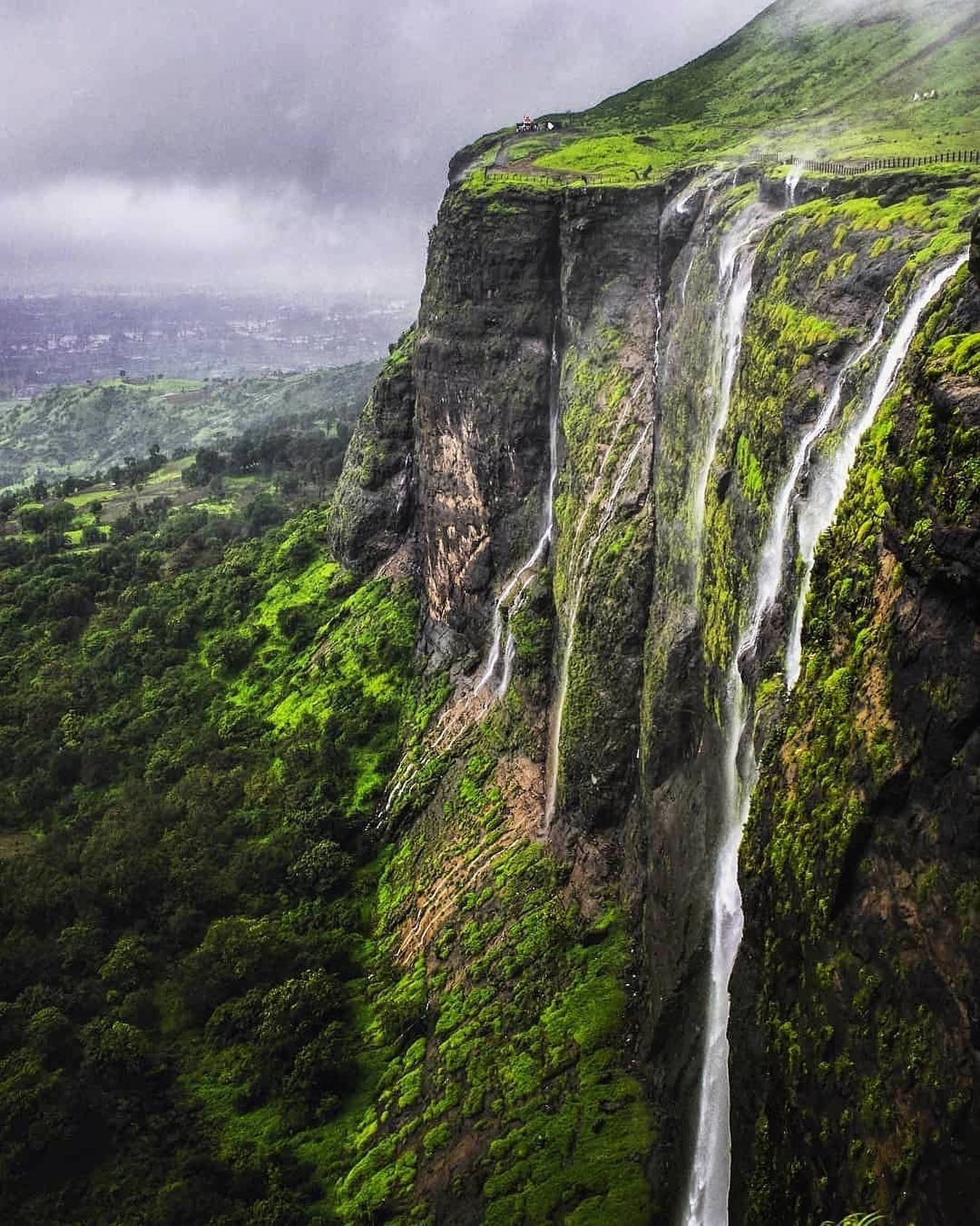
The Brahmagiri Hills encompassing Thirunelli Temple form a magnificent mountain range within the Western Ghats. The Brahmagiri Peak at 2,400 meters offers panoramic vistas accessible via trekking. The hills maintain diverse ecosystems and forest cover supporting unique biodiversity.
Kuruva Island
Located approximately 35 kilometers away, Kuruva Island in the Kabini River offers contrasting experiences of river ecosystems and bamboo rafting. The 950-acre river delta hosts exceptional bird watching and rare flora. Visiting both sites provides comprehensive Wayanad nature experience.
Pazhassi Tomb
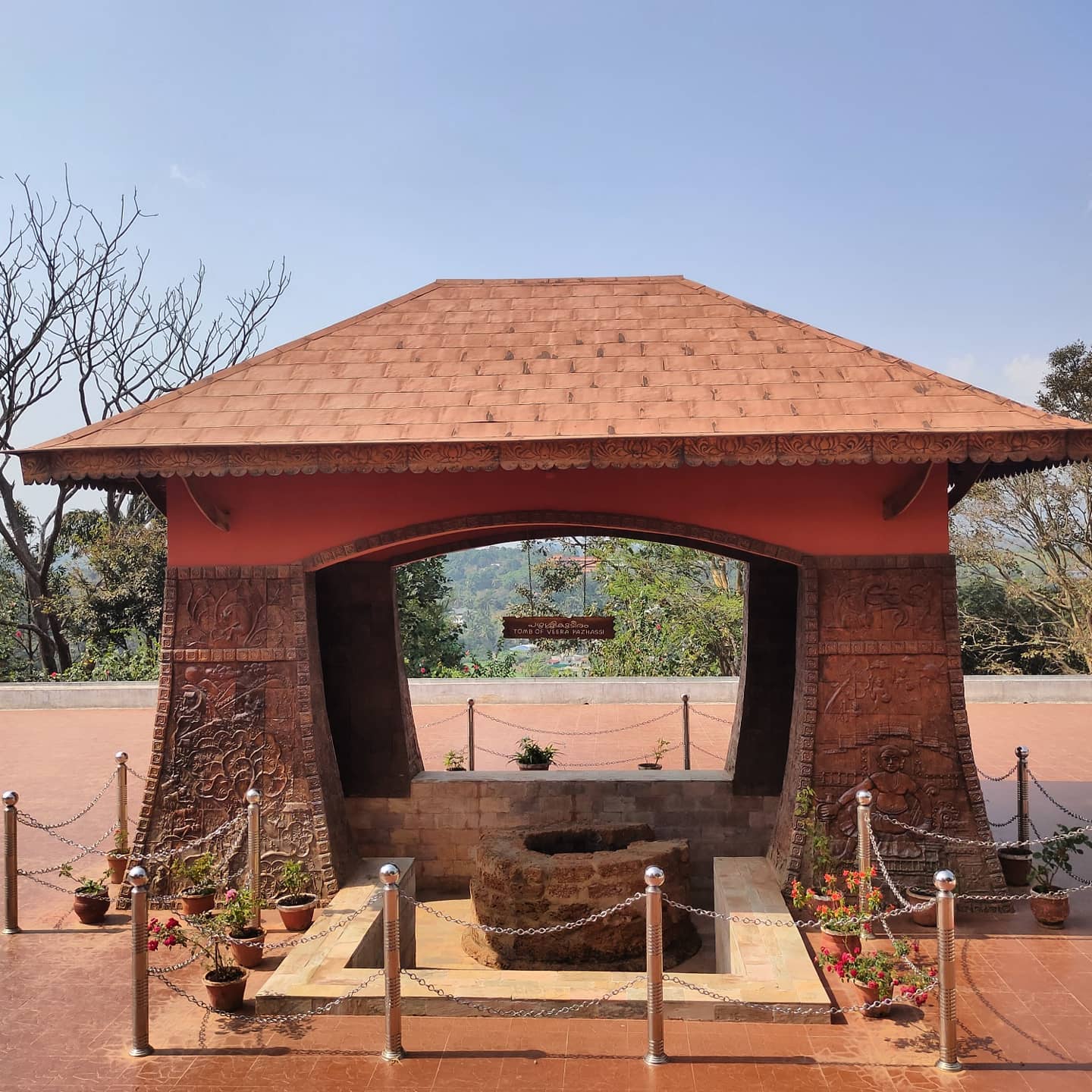
Approximately 25 kilometers away, the Pazhassi Tomb memorializes the historical warrior-king Pazhassi Raja who resisted colonial expansion. The tomb reflects regional history and architectural heritage. The site offers cultural-historical dimensions complementing spiritual temple visits.
Kolagappara
Located roughly 30 kilometers from Thirunelli, Kolagappara village offers scenic locations and nature experiences. The area provides agricultural landscape perspectives contrasting with forest and mountain settings. Local homestays facilitate immersive community experiences.
Explore Trip Plans
Plan Your Visit
Get help with stays, transport & itinerary for Thirunelli Temple
Chat on WhatsAppFree trip planning assistance
Frequently Asked Questions
Is Thirunelli Temple currently open to visitors?
Yes, Thirunelli Temple is generally open to visitors throughout the year. It is a significant religious and cultural site in Wayanad, attracting pilgrims and tourists alike.
Thirunelli temple which district?
Thirunelli Temple is located in the Wayanad district of Kerala, India. This ancient temple, dedicated to Lord Vishnu, is situated in the Brahmagiri Hills, about 32 kilometers from the district headquarters of Kalpetta. It is a prominent pilgrimage site and is surrounded by the natural beauty of Wayanad, making it a popular destination for both spiritual and nature enthusiasts.
where is thirunelli temple?
Thirunelli Temple is located in the Wayanad district of Kerala, India. Specifically, it is situated in the Brahmagiri Hills, near the village of Thirunelli. The temple is set amidst the lush greenery of the Western Ghats and is known for its spiritual significance and scenic surroundings.
how to reach thirunelli temple?
By Air Nearest Airport: Calicut International Airport (Kozhikode), around 130 km away. From Airport: Hire a taxi or take a bus to Mananthavady, then proceed to Thirunelli by local transport. By Train Nearest Railway Station: Kozhikode Railway Station, about 120 km away. From Station: Take a bus or taxi to Mananthavady, then continue to Thirunelli. By Road From Kozhikode: Drive or take a bus to Mananthavady, then to Thirunelli. From Mysore: Drive or take a bus via Sulthan Bathery to Mananthavady, then to Thirunelli. From Bangalore: Drive or take a bus to Mysore, then follow the route to Mananthavady and onwards to Thirunelli. Local Travel From Mananthavady: Thirunelli is 30 km away. Take a local bus or taxi. Key Points Drive or take a bus to Mananthavady. From Mananthavady, take a local bus or taxi to Thirunelli. Thirunelli Temple is easily reachable with a combination of road travel, either directly by car or through local buses and taxis.
how to reach thirunelli temple by train?
Take a train to Kozhikode or Mysore. From Kozhikode: Take a taxi or bus to Mananthavady. From Mananthavady, take a local bus or taxi to Thirunelli Temple (30 km). From Mysore: Take a taxi or bus to Mananthavady via Sulthan Bathery. From Mananthavady, take a local bus or taxi to Thirunelli Temple (30 km). Summary: Train to Kozhikode or Mysore. Taxi or bus to Mananthavady. Local bus or taxi to Thirunelli Temple. This should make your journey straightforward and easy to follow!
how old is thirunelli temple?
Thirunelli Temple is believed to be over 1,000 years old, making it a historic place of worship.
Where is Thirunelli Temple located?
Thirunelli Temple is situated in the Wayanad district of Kerala, India, near the village of Thirunelli. It is surrounded by lush greenery and is known for its spiritual ambiance.
What is the history of Thirunelli Temple?
Thirunelli Temple has a history spanning over 1,000 years and is mentioned in ancient Hindu scriptures. It is believed to have been constructed by Lord Brahma and holds great mythological and cultural significance.
What are the timings of Thirunelli Temple?
Thirunelli Temple is generally open from early morning to evening. The exact timings may vary, so it's advisable to check locally or on the temple's official website.
Is there a dress code for Thirunelli Temple?
Yes, visitors are expected to dress modestly. Traditional attire is appreciated, and men and women are usually required to cover their shoulders and legs.
What are the usual visiting hours for Thirunelli Temple?
The temple is typically open from 5:30 AM to 12:00 PM in the morning and from 5:30 PM to 8:00 PM in the evening. Visitors are encouraged to arrive early in the morning for the temple’s main rituals.
How can I check if Thirunelli Temple is closed on the day I plan to visit?
You can check the temple’s status by contacting the temple authorities directly, calling the local tourism office, or checking online resources for any updates regarding closures or special events.
Why might Thirunelli Temple be closed to visitors?
The temple may be closed for special religious ceremonies, maintenance work, or on certain public holidays. Additionally, during festivals, the temple may have restricted access to manage large crowds.
Nearby Places to Explore
 attraction
 Brahmagiri Hills
Brahmagiri Hills is a scenic mountain range known for trekking and its natural beauty.
 attraction
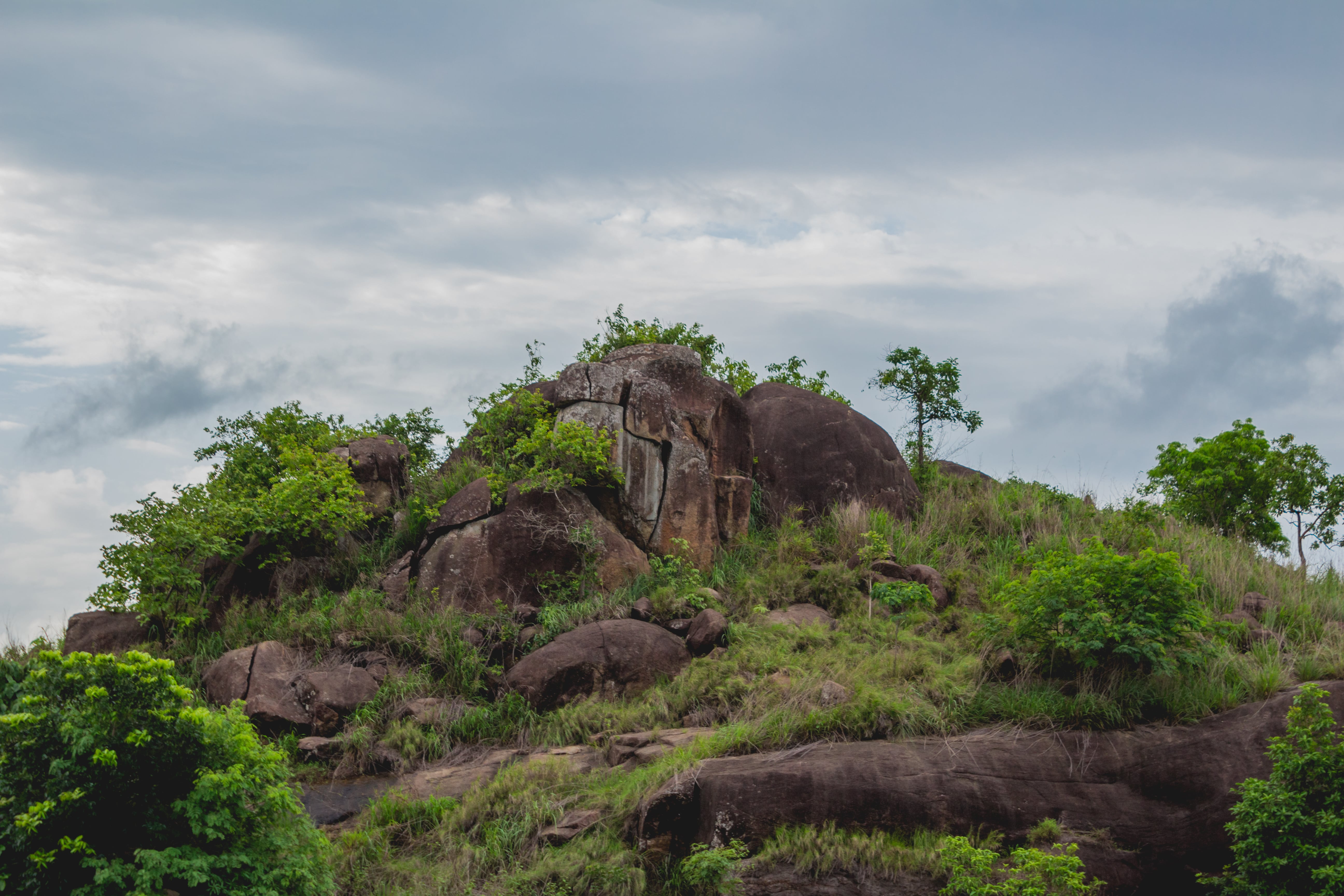
 Kolagappara
Kolagappara, a serene and picturesque destination in the heart of Wayanad walks.
 attraction
 Pazhassi Tomb
Pazhassi Tomb is a historically significant monument located in the serene town of Mananthavady.
 attraction
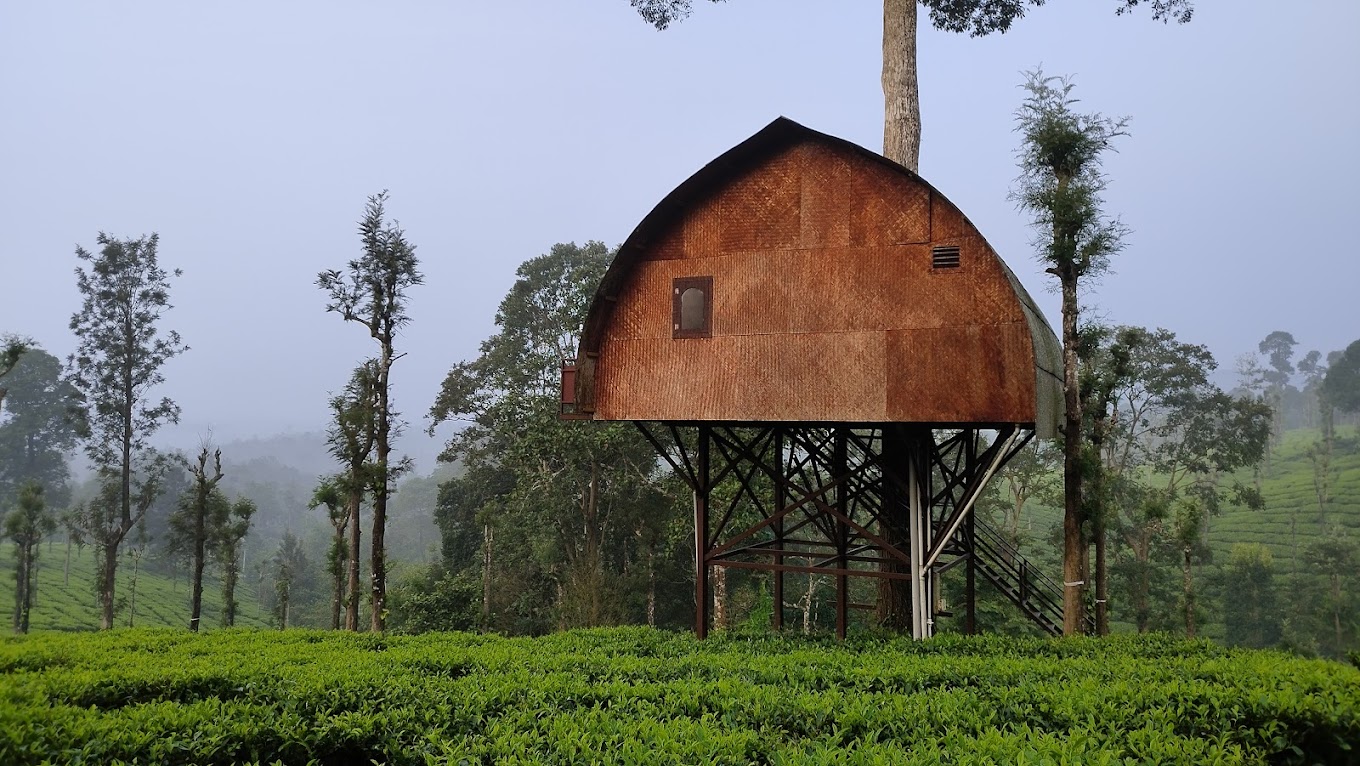
 Priyadarshini Tea Environs
Priyadarshini Tea Environs is a serene and picturesque tea estate nestled in the lush green hills of Wayanad.