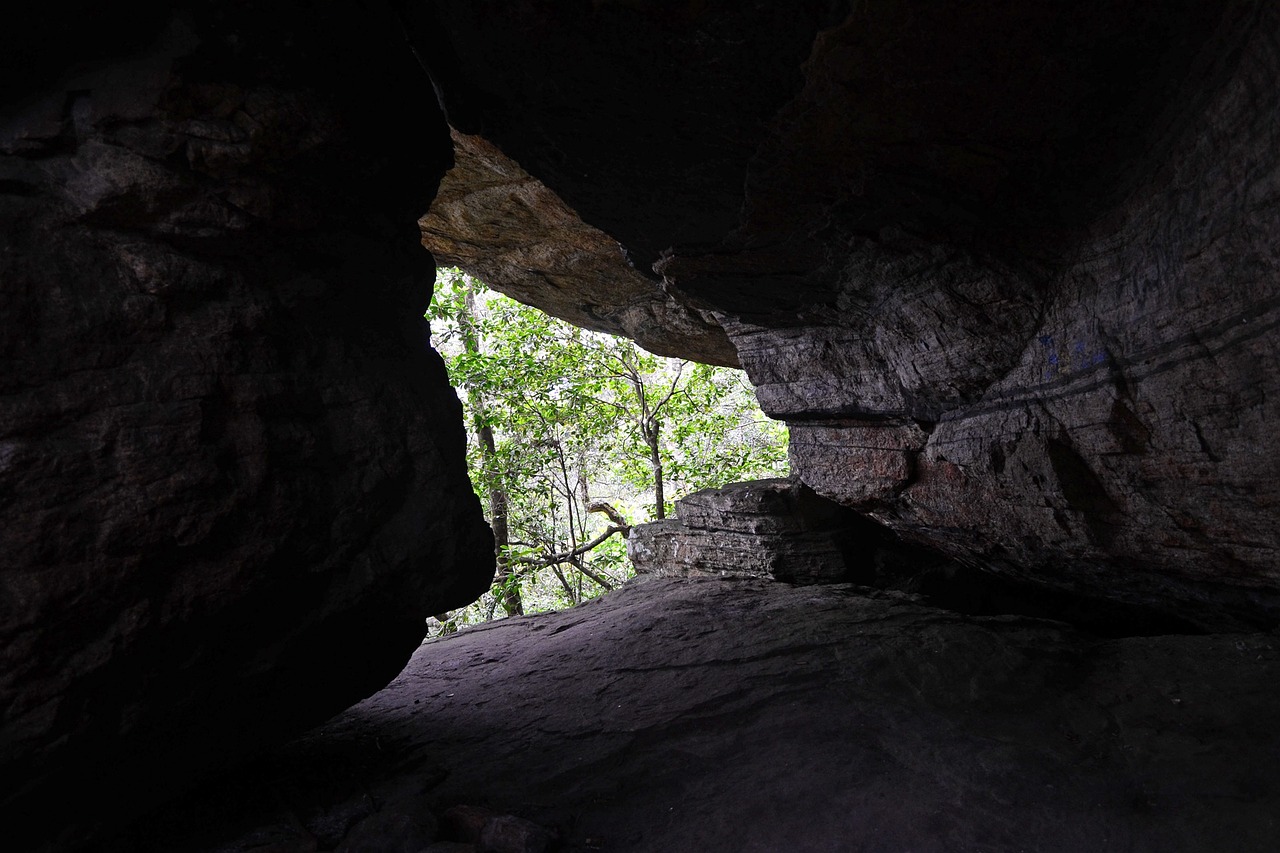
Edakkal Caves
Ancient caves with prehistoric petroglyphs, offering a glimpse into human civilization from the Neolithic age.
Edakkal Caves are two natural rock shelters located on Ambukuthi Hill in the Wayanad district of Kerala, India, containing petroglyphs and rock carvings dating from the Neolithic period approximately 6,000 BCE to 1,000 BCE. Situated near the town of Ambalavayal, these caves are approximately 25 kilometers from Kalpetta (the district headquarters) and 12 kilometers from Sulthan Bathery. The caves were formally documented by Fred Fawcett, a British police officer, in 1890, though they were known to local and tribal communities for centuries prior. Currently, the caves remain closed to public visitors following significant landslides that affected the Wayanad region in 2024. When operational, entry fees were ₹50 for adults and ₹25 for children, with an additional camera fee of ₹50 and parking charge of ₹30. The trek to reach the caves spans approximately 1.5 kilometers from the parking area and takes 30 to 45 minutes, classified as moderate difficulty with steep sections through tea plantations and forest terrain.
Current Status
As of 2024, Edakkal Caves remain closed to visitors due to the devastating landslides that impacted the Wayanad region. These natural disasters created significant geological instability affecting the accessibility and structural integrity of the site and surrounding trekking paths. The closure is a precautionary measure implemented by local authorities to ensure visitor safety and to allow for comprehensive assessment of structural damage and risk mitigation. The Kerala government and tourism authorities are monitoring the situation and conducting geological surveys to determine when it will be safe to reopen the site. Visitors planning trips to the region should check with local tourism offices or visit official websites for the latest updates on reopening timelines. Until further notice, alternative archaeological and heritage sites throughout Wayanad remain open for exploration.
Location and Geography
Edakkal Caves are situated on Ambukuthi Hill at an elevation of approximately 1,200 meters above sea level in the Eastern Ghats mountain range. The caves lie near Ambalavayal, a small town in Wayanad district that serves as the primary access point for visitors. The geographical coordinates of Edakkal Caves are approximately 11.6258°N latitude and 76.2111°E longitude. Wayanad district is located in the northern part of Kerala state, bordered by Karnataka and Tamil Nadu states. The cave site is positioned 25 kilometers southeast of Kalpetta, the district headquarters, accessible via the Kalpetta-Sulthan Bathery Road (NH766). From Sulthan Bathery, the caves are approximately 12 kilometers away via the Meenangadi-Panamaram Road. For visitors traveling from other parts of Kerala, the caves are situated 102 kilometers northeast of Kozhikode district, which is accessible through major road networks. The site’s elevation and geographical position provide scenic vistas of the surrounding Wayanad plateau, tea plantations, and forested areas characteristic of the region’s high-altitude terrain.
History and Discovery
The Edakkal Caves hold significant importance in the archaeological history of India, representing one of the oldest documented sites of human artistic expression in South India. Archaeological evidence and petroglyph analysis suggest human habitation and artistic activity in the caves dating back approximately 6,000 years to the Neolithic period, corresponding to 6,000 BCE. The caves were likely used by prehistoric communities for shelter, ritual purposes, and as a location for recording important symbols and narratives through rock art. The formal documentation of Edakkal Caves in European archaeological records began in 1890 when Fred Fawcett, a British police officer stationed in Wayanad, discovered and documented the petroglyphs. Fawcett’s detailed observations and sketches of the rock carvings were instrumental in bringing international attention to the site and establishing its archaeological significance. Following Fawcett’s initial documentation, the Archaeological Survey of India (ASI) conducted systematic studies and excavations at the site, formally recognizing Edakkal Caves as a nationally important historical monument. Subsequent archaeological investigations by Indian and international scholars have revealed the chronological layers of the petroglyphs, establishing the site’s continuous use over several millennia. The caves have been included in the UNESCO Tentative List for World Heritage Sites, acknowledging their global significance in understanding prehistoric human development and artistic expression. Comparative studies by epigraphists, particularly scholar Iravatham Mahadevan, have examined connections between Edakkal petroglyph motifs and early Indus Valley script symbols, suggesting possible cultural and trade interactions between prehistoric Wayanad and the broader South Asian region.
The Petroglyphs Explained
The rock carvings at Edakkal Caves represent a remarkable archive of prehistoric artistic expression, with over two thousand documented petroglyphs distributed across the cave chambers. These carvings can be classified into three chronological layers corresponding to distinct prehistoric periods. The earliest petroglyphs date to the Neolithic period (approximately 6,000 to 3,000 BCE) and consist of primarily abstract symbols, simple geometric patterns, and representations of tools. The middle layer corresponds to the Megalithic period (approximately 3,000 to 1,000 BCE) and features more complex motifs including human figures engaged in hunting, dancing, and ritual activities, as well as domesticated animal depictions. The final layer represents the early historic period (approximately 1,000 BCE to early centuries CE) and includes symbols with possible proto-historic script characteristics, tridents, wheels, and more sophisticated human representations.
The petroglyph motifs at Edakkal display remarkable diversity in subject matter and artistic technique. Human figures are depicted in various poses and contexts, including hunters with weapons, dancers in ceremonial postures, and figures in apparent ritual or social gatherings. Animal representations include bison, deer, wild boar, and possibly elephants, reflecting the megafauna present in prehistoric Wayanad. Geometric and symbolic motifs include circles, concentric circles, spirals, grids, crosses, wheels, tridents, and angular patterns interpreted by scholars as representing cosmological concepts, astronomical observations, or territorial markers. Some scholars propose that certain symbol groups may represent early proto-script systems used for communication or recording. Comparisons with contemporary prehistoric art from other regions show similarities to rock art traditions in Europe, Africa, and Central Asia, suggesting universal themes in prehistoric human artistic expression.
Scholar Iravatham Mahadevan, an expert in South Asian epigraphy and Indus Valley script, has proposed that certain motifs at Edakkal Caves demonstrate remarkable similarities to symbols from the Indus Valley Civilization script dating to approximately 2,300 to 1,500 BCE. These connections suggest possible cultural contact and trade networks between the prehistoric populations of Wayanad and the Indus Valley region, indicating the existence of far-reaching ancient trade routes and cultural interactions across the Indian subcontinent. This hypothesis remains subject to ongoing scholarly debate and investigation.
Geological Formation
The distinctive formation of Edakkal Caves resulted from natural geological processes spanning millions of years. The name “Edakkal” is derived from Malayalam words “Eda” (meaning stone) and “kkal” (meaning between), literally translating to “stone in between,” referring to the caves’ unusual formation between two massive rock boulders. During the Precambrian era, this region was part of the crystalline shield of the Indian subcontinent, composed primarily of granite, gneiss, and other metamorphic rocks. Over geological time, weathering processes, tectonic movements, and erosion created fissures and fractures in the bedrock.
The most distinctive feature of Edakkal Caves is a massive boulder, estimated to weigh several hundred tons, which became wedged between two parallel rock formations on Ambukuthi Hill. This precarious geological position created two naturally enclosed chambers beneath the boulder. The upper chamber is approximately 60 meters long and 10 meters wide at its widest point, while the lower chamber is slightly smaller. The boulder’s position creates a narrow passage connecting the two chambers, and the space between the boulder and surrounding rocks naturally channels water and provides shelter from rain and wind. Over thousands of years, the stone surfaces of both chambers accumulated the petroglyphs created by prehistoric peoples who sought shelter and used the rock surfaces for artistic and symbolic expression.
The geological stability of the boulder formation has remained largely unchanged for millennia, demonstrating the resilience of the Precambrian-age rock structures. However, the 2024 landslides in Wayanad affected surrounding geological stability, necessitating closure of the site pending reassessment.
The Two Cave Chambers
Edakkal comprises two interconnected natural rock shelters formed beneath a massive boulder. The upper chamber is the primary tourist destination, measuring approximately 60 meters in length and 10 meters in width at its maximum width, with a ceiling height of about 3 to 4 meters. The rock surfaces of the upper chamber are extensively covered with petroglyphs, making it the primary location for viewing prehistoric rock art. The chamber maintains a relatively cool and dry environment due to its positioning and the natural ventilation provided by the boulder’s configuration.
The lower chamber, accessible through a narrow passage that requires careful maneuvering, is smaller and less extensively decorated with petroglyphs. The passage connecting the two chambers is approximately 2 meters high and 1.5 meters wide, requiring visitors to crouch or bend while passing through. The lower chamber measures roughly 30 meters in length and 6 meters in width, with a lower ceiling height of approximately 2 to 2.5 meters. Due to its smaller size and reduced petroglyph coverage, the lower chamber is visited less frequently by tourists, though it retains important archaeological value.
Both chambers maintain relatively consistent internal temperatures and humidity levels due to their underground position, creating microenvironments that have helped preserve the petroglyphs over millennia. During the rainy season, the chambers may retain moisture and dampness due to water seepage through surrounding rocks.
The Trek to the Caves
The journey to Edakkal Caves begins from the parking area located at the base of Ambukuthi Hill near Ambalavayal town, situated at approximately 1,000 meters elevation. From this trailhead, the trekking path ascends approximately 1.5 kilometers through varied terrain, gaining approximately 200 meters in elevation to reach the cave entrance. The trek typically requires 30 to 45 minutes to complete depending on fitness level, acclimatization to altitude, and trail conditions.
The initial section of the trek winds through cultivated areas and tea plantations that characterize the landscape around Ambalavayal. As visitors ascend, the trail transitions into natural forest vegetation dominated by tall trees, offering periodic shade during the climb. The trekking path is moderately challenging, featuring several steep sections with irregular stone steps and uneven ground. The terrain includes exposed rocky sections, densely vegetated areas, and passages with roots and rocks requiring careful footing. Rope barriers and occasional guide markers assist visitors in navigating the more challenging sections.
Multiple scenic viewpoints along the trekking route provide opportunities to rest and observe the surrounding landscape. From higher elevations along the trail, visitors can view the Wayanad plateau, surrounding tea plantations, forested valleys, and on clear days, distant views toward the Western Ghats. The trail passes through microhabitats supporting diverse flora and fauna including bird species, small mammals, and insects adapted to high-altitude forest environments. The trek’s moderate difficulty makes it accessible to individuals with average fitness levels, though sturdy footwear and prior training are recommended.
During the monsoon season (June to August), the trekking path becomes slippery and challenging due to rainfall, mud, and reduced visibility. During other seasons, the trail provides a pleasant outdoor experience combining physical activity with nature immersion and historical exploration.
How to Reach
By Air: The nearest major airports to Edakkal Caves are Calicut International Airport (approximately 122 kilometers away) and Kannur International Airport (approximately 135 kilometers away). From either airport, visitors can arrange taxi, rental car, or bus transportation to reach the Ambalavayal area, with travel time varying from 2.5 to 3.5 hours depending on traffic and road conditions.
By Train: Kozhikode Railway Station is the primary rail terminus serving the region, located approximately 102 kilometers from Edakkal Caves. The station is connected to major Indian cities through both express and passenger train services. From the railway station, visitors can arrange ground transportation to Ambalavayal, requiring approximately 2.5 to 3 hours of travel time.
By Road: Edakkal Caves are accessible via well-maintained national and state highways. From Kalpetta, the district headquarters, the caves are 25 kilometers away via the Kalpetta-Sulthan Bathery Road (NH766), requiring approximately 45 minutes to 1 hour of travel time. From Sulthan Bathery, a prominent town in Wayanad district, the caves are 12 kilometers away via the Meenangadi-Panamaram Road, requiring approximately 30 minutes of travel. Visitors can also approach from Mananthavady, located approximately 50 kilometers away via the Mananthavady-Kalpetta Road (SH29), requiring approximately 1.5 hours of travel.
For visitors traveling from other parts of India, major access points include:
- Mysore (Karnataka): Approximately 145 kilometers away via NH766, requiring 3 to 3.5 hours of travel
- Bangalore (Karnataka): Approximately 290 kilometers away via NH44 and connecting highways, requiring 5.5 to 6 hours of travel
- Ernakulam (Kochi): Approximately 200 kilometers away via NH44 and connecting routes, requiring 4.5 to 5 hours of travel
Public buses operated by Kerala State Road Transport Corporation (KSRTC) and private operators connect major towns to Ambalavayal from Kalpetta and Sulthan Bathery. From Ambalavayal town, local taxi services and auto-rickshaws provide transportation to the parking area at the base of Ambukuthi Hill.
Best Time to Visit
The optimal period for visiting Edakkal Caves is the dry season extending from October through February. During these months, weather conditions are pleasant, with moderate temperatures, clear skies, and minimal rainfall. The morning hours of October through November feature particularly favorable conditions with cool temperatures, clear visibility for photography, and the lowest humidity levels. December and January present slightly cooler temperatures, sometimes dropping to 10-12°C at night, requiring light jackets during early morning and evening hours. February offers warming temperatures while maintaining clear skies and low rainfall probability.
Visitors should avoid the monsoon season extending from June through August, when heavy rainfall makes trekking paths slippery and hazardous, reduces visibility for cave exploration and photography, and increases risk of waterborne illnesses. Additionally, monsoon conditions create poor visibility for observing landscape views from the trekking route.
The pre-monsoon period of March through May features increasing temperatures, with daytime highs ranging from 25°C to 30°C. While not ideal, this period remains accessible for visits, though afternoon heat can be challenging during physical exertion on the trekking path. September marks the transition from monsoon to dry season, featuring lingering humidity and occasional rainfall, making it a less optimal visiting period.
Entry Fees and Timings
Prior to the 2024 closure due to landslides, entry requirements for Edakkal Caves were as follows:
General Entry Fee: ₹50 per adult, ₹25 per child (age 5-12), children below age 5 admitted free
Additional Charges: Camera fee ₹50 (for photography), Vehicle parking ₹30 per vehicle
Operating Hours: 9:00 AM to 5:00 PM on most days, with caves closed on Mondays for maintenance and cleaning
Visitors should confirm current fee structures and operating hours with local tourism authorities before planning visits, as fee structures may be adjusted or modified following site reopening. Group discounts and special rates for school groups and educational institutions may be available upon advance request and approval. It is advisable to contact the Wayanad District Tourism Promotion Council or local administration for the most current information regarding fees, timings, and reopening status.
What to Wear and Bring
Recommended Clothing: Sturdy trekking footwear with good ankle support and non-slip soles is essential, as the uneven terrain and steep sections present slip hazards. Lightweight, breathable clothing in moisture-wicking materials helps manage body temperature during physical exertion. During October to February, light jackets or sweaters are advisable for early morning and evening hours when temperatures drop. During March to May, lighter clothing suits warmer conditions, though a light layer remains useful for cave interiors where temperatures are cooler than exterior areas.
Essential Items to Bring:
- Adequate drinking water (minimum 1-2 liters per person) to maintain hydration during the trek and cave exploration
- Wide-brimmed hat or cap to protect from sun exposure during the trekking route
- Sunscreen lotion (SPF 30 or higher) to prevent sun damage during open sections of the trek
- First aid kit containing basic supplies for minor cuts, scrapes, and insect bites
- Mobile phone and portable charger for communication and emergency assistance
- Small backpack for carrying belongings during the trek
- Camera or smartphone for photography and recording the experience
- Torch or headlamp for navigating darker sections of the lower cave chamber
Items to Avoid: Heavy luggage and large bags that impede movement during the trek should be avoided or left at the parking area. Formal clothing and unsuitable footwear create discomfort and potential safety hazards. Electronic devices requiring internet connectivity should not be relied upon, as mobile signal coverage is intermittent throughout the area.
Photography Guidelines
Photography is permitted at Edakkal Caves under specific guidelines designed to preserve the site and protect the petroglyphs from damage. A camera fee of ₹50 is charged for visitors bringing cameras (this fee applies to the period before the 2024 closure and may be subject to change upon reopening).
Best Photography Practices: Natural light only should be used for photographing petroglyphs, as artificial flash photography can damage the rock surface and degrade the pigments in ancient carvings over time. Morning hours between 8:00 AM and 11:00 AM provide the most favorable natural lighting conditions for capturing detailed petroglyph images, as sunlight enters the cave at angles that create shadow contrast highlighting the carvings. Visitors should avoid using direct flash near petroglyph surfaces and instead rely on natural ambient light supplemented with camera ISO adjustments. The upper chamber receives more natural light, making photography easier than in the lower chamber. Wide-angle lenses are useful for capturing the overall cave environment, while macro or close-up capabilities help document fine details of individual petroglyphs.
Respect for the site requires avoiding any contact with petroglyph surfaces during photography, as oils from human skin and physical contact can accelerate deterioration. Visitors should refrain from touching or tracing petroglyphs with fingers, hands, or any objects, as generations of such contact contribute to gradual erosion of these irreplaceable ancient artworks.
Nearby Attractions
The Wayanad region offers numerous archaeological sites, natural attractions, and cultural destinations within accessible distances from Edakkal Caves:
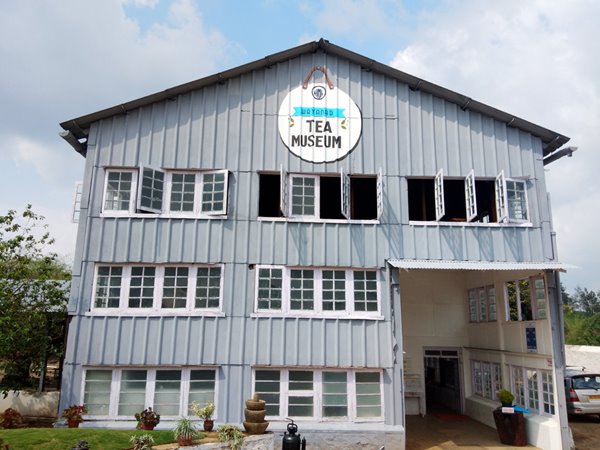
Wayanad Tea Museum - Located approximately 15 kilometers from Edakkal Caves, this museum documents the history and production processes of tea cultivation in Wayanad, featuring exhibits of antique tea processing equipment and historical photographs from the colonial tea plantation era.
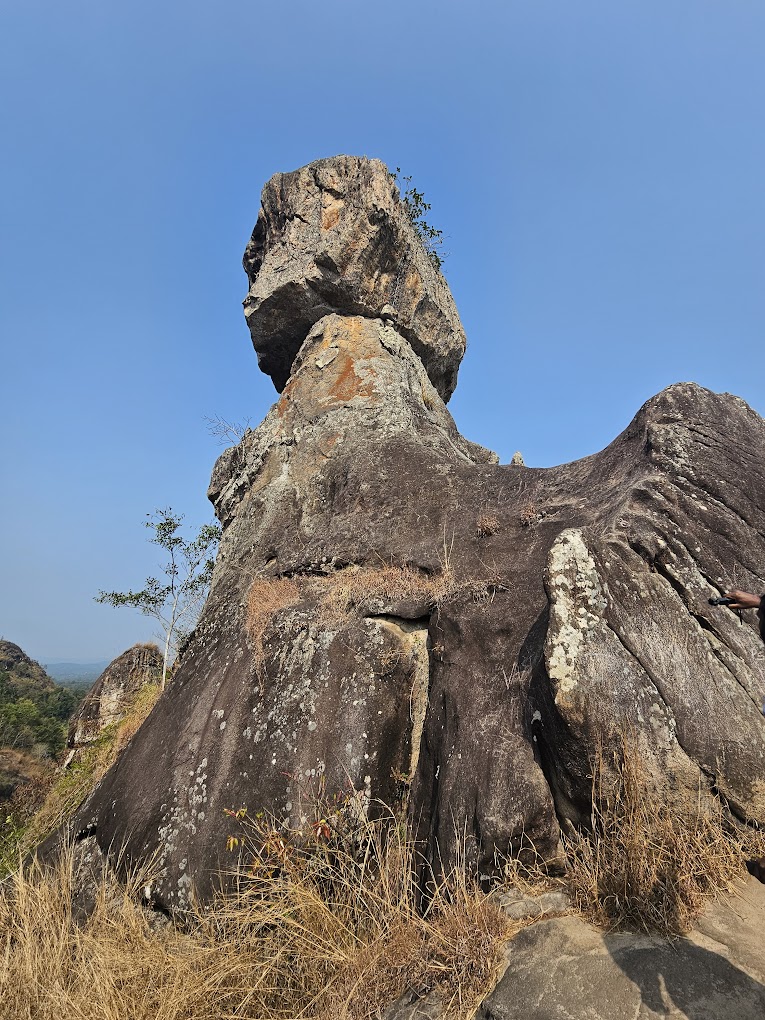
Phantom Rock - Situated approximately 5 kilometers from Edakkal Caves, this distinctive rock formation derives its name from its appearance resembling a ghostly phantom when viewed from specific angles. The site offers scenic vistas of the surrounding landscape and is popular for photography.
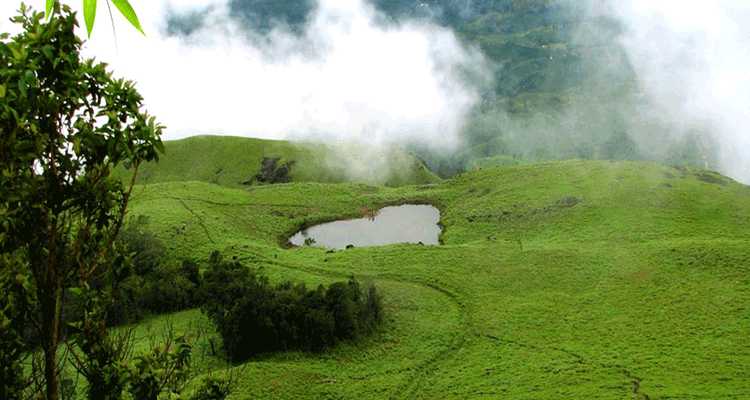
Chembra Peak - Located approximately 30 kilometers from Edakkal Caves, this is the highest peak in Wayanad district at 2,100 meters elevation. The peak features a heart-shaped trekking trail and offers panoramic views of the Wayanad plateau and surrounding mountain ranges.
Lakkidi Viewpoint - Positioned approximately 28 kilometers from Edakkal Caves, this scenic overlook provides expansive views of the Wayanad plateau and is notable for being the location where altitude transitions from the Western Ghats to the Deccan Plateau occur.
Thirunelli Temple - Situated approximately 62 kilometers from Edakkal Caves, this ancient temple dedicated to Lord Vishnu dates back several centuries and is set amid scenic river valleys and forested landscapes, featuring traditional Kerala temple architecture.
Banasura Dam - Located approximately 45 kilometers from Edakkal Caves, this is the largest earth dam in India by surface area, offering boating facilities, scenic lake views, and picnic areas for visitors.
Accommodation
The Ambalavayal area nearest to Edakkal Caves offers limited accommodation options, primarily consisting of small guesthouses and homestays operated by local families. These establishments provide basic amenities and authentic Kerala hospitality, with room rates typically ranging from ₹800 to ₹2,000 per night depending on amenities and season.
Sulthan Bathery, located 12 kilometers away, offers a wider range of accommodation options including budget hotels, mid-range hotels, and resort properties. Room rates in this category range from ₹1,500 to ₹4,000 per night, with facilities including attached bathrooms, television, and dining services. Several hotels in Sulthan Bathery cater to tourists visiting Wayanad attractions.
Kalpetta, the district headquarters 25 kilometers away, offers the most extensive accommodation infrastructure including star-rated hotels, resort properties, and guesthouses across all price ranges. Luxury resort properties in Kalpetta charge ₹5,000 to ₹15,000 per night with premium amenities, while budget accommodations are available from ₹1,000 to ₹3,000 per night.
Visitors planning trips during peak seasons (October-February) should book accommodation in advance, as popular properties experience high occupancy. Many properties offer advance booking discounts and special packages for multi-day stays in the Wayanad region.
Local Food
The Ambalavayal town area surrounding Edakkal Caves offers opportunities to experience authentic Kerala cuisine and regional specialties. Local restaurants serve traditional Kerala dishes including:
Traditional Kerala Meals: Rice-based meals served on banana leaves accompanied by curries, gravies, vegetable preparations, and sambols (condiments) representing the culinary traditions of the region. These meals emphasize coconut, spices, and fresh vegetables.
Fish and Seafood Preparations: Although located in a landlocked region, the area’s restaurants prepare freshwater fish and shellfish using traditional Kerala cooking methods involving coconut milk and spices.
Tea and Snacks: Local tea shops (chai houses) serve strong black tea with spices, often accompanied by local snacks including banana chips, tapioca chips, and coconut-based confections.
Tribal and Regional Specialties: The Wayanad region is home to indigenous tribal communities who maintain traditional food practices. Local restaurants and roadside eateries offer tribal specialties including bamboo shoot preparations, wild greens, and traditional meat curries.
Visitors should sample appam (fermented rice pancakes), puttu (steamed rice cake), pulissery (yogurt-based vegetable curry), and ada (traditional rice cake dessert). Street food vendors near Ambalavayal offer fresh fruits including bananas, pineapples, and local spices. Pure vegetarian restaurants are limited in the immediate area, though most establishments prepare vegetarian dishes upon request.
Cultural Significance
Edakkal Caves represent a significant component of India’s prehistoric heritage and cultural identity. The petroglyphs constitute tangible evidence of human artistic expression spanning over 6,000 years of continuous cultural development. The site has contributed substantially to scholarly understanding of prehistoric social organization, artistic practices, and symbolic communication systems in ancient South India.
The caves hold cultural importance to Wayanad’s tribal communities who have inhabited the region since prehistoric times and maintain oral traditions connecting contemporary populations to the ancient inhabitants who created the petroglyphs. Recognition of this cultural heritage supports indigenous rights and cultural preservation in the region.
The site’s inclusion in the UNESCO Tentative List for World Heritage recognition acknowledges its global significance and represents India’s commitment to preserving prehistoric heritage for future generations. This international recognition underscores the universal human themes expressed through the prehistoric rock art traditions documented at Edakkal.
Conservation and Preservation
Preservation of Edakkal Caves faces significant challenges including natural weathering, environmental damage from tourism impacts, and the destructive effects of human-generated graffiti and vandalism. Over decades of public access, some petroglyph surfaces have experienced accumulation of dust, moisture damage, and physical degradation from visitor contact. The development of modern graffiti and carved initials on cave surfaces represents a serious contemporary threat to the archaeological integrity of the site.
The Archaeological Survey of India maintains official oversight of the site and implements protective measures including visitor guidelines, cave access restrictions, and periodic documentation of petroglyph conditions. During periods of public access, knowledgeable guides assist visitors in appropriate site behavior and petroglyphs preservation practices. Structural assessments and conservation studies have been conducted to document existing damage and inform future preservation strategies.
The 2024 closure following landslides provides an opportunity for comprehensive assessment of site conditions and implementation of enhanced preservation measures. Upon reopening, stricter visitor management protocols, enhanced site monitoring, and possible physical barriers may be implemented to reduce human-caused deterioration while maintaining public access to this important cultural resource.
Tips for Visitors
Timing: Arrive early in the morning (9:00 AM to 10:00 AM opening hours) to avoid afternoon crowds and to experience optimal natural lighting conditions for cave exploration and photography. Early arrival also allows time for the trek before midday heat becomes intense.
Heat Management: Avoid trekking during midday hours (11:00 AM to 3:00 PM) when solar radiation and temperature are at maximum levels, particularly during March to May when conditions are hottest. The combination of open sections receiving direct sunlight and physical exertion during climbing creates potential for heat exhaustion.
Local Guides: Hiring a knowledgeable local guide is recommended to enhance understanding of the petroglyphs’ meanings, historical context, and local cultural significance. Guides can identify specific petroglyph sections, explain different chronological layers, and provide context about prehistoric life in the region. Guide services are typically arranged at the parking area.
Cash Payment: Carry adequate cash in small denominations (₹100-₹500 notes) for entry fees, parking, camera fees, and guide services, as ATM facilities and card payment systems are limited near the caves. The nearest ATM facilities are typically located in Ambalavayal town or Sulthan Bathery.
Mobile Coverage: Mobile phone network coverage is intermittent or absent in many areas surrounding the cave site. Visitors should inform others of travel plans and expected return time before beginning the trek. Carrying a portable phone charger is advisable.
Physical Preparation: The trek involves sustained uphill walking with steep sections. Visitors with cardiovascular or orthopedic limitations should assess personal fitness levels and consult medical professionals before attempting the trek. Regular conditioning and acclimatization to altitude are beneficial.
Environmental Responsibility: Carry all waste materials (plastic bags, bottles, food scraps) down from the caves and dispose of them properly in designated waste facilities. No littering is permitted to preserve the natural environment and archaeological site integrity.
Weather Monitoring: Check weather forecasts before visiting and avoid trekking during or immediately following rainfall when paths become slippery and visibility is reduced. Sudden weather changes are common in high-altitude areas, necessitating flexible travel plans.
Explore Trip Plans
Plan Your Visit
Get help with stays, transport & itinerary for Edakkal Caves
Chat on WhatsAppFree trip planning assistance
Frequently Asked Questions
Edakkal caves which district?
Location: Near the town of Ambalavayal in Wayanad district. Distance from Major Towns: Approximately 25 km from Kalpetta, the district headquarters of Wayanad. Around 12 km from Sulthan Bathery, a prominent town in Wayanad. Features: The caves are famous for their ancient rock carvings and petroglyphs, dating back to the Neolithic age. Edakkal Caves are a significant archaeological site, attracting both history enthusiasts and tourists who want to explore the unique rock formations and ancient inscriptions.
where is edakkal caves located?
Edakkal Caves are located in Wayanad district, Kerala, India. They are situated on Ambukuthi Hill near the town of Ambalavayal. District: Wayanad State: Kerala Nearby Town: Ambalavayal Features: Famous for ancient rock carvings dating back to the Stone Age. Access: Accessible via a trek up Ambukuthi Hill, offering scenic views. These caves are significant for their historical rock engravings and are a popular destination for tourists and history enthusiasts in Kerala.
edakkal caves which stone age?
Edakkal Caves in Wayanad, Kerala, contain rock engravings dating back to the Neolithic age and early Stone Age periods. These ancient carvings depict various motifs, symbols, and figures that provide valuable insights into early human civilizations and their cultural practices. The caves are thus considered an important archaeological site in India, showcasing human history from thousands of years ago.
edakkal caves is situated in which district?
Edakkal Caves is situated in the Wayanad district of Kerala, India. It is located on Ambukuthi Hill near the town of Ambalavayal in Wayanad. This district is known for its scenic beauty, rich biodiversity, and historical significance, with Edakkal Caves being one of its notable archaeological sites.
how to reach edakkal caves?
How to Reach Edakkal Caves By Road: From Kalpetta: Drive about 25 km via Kalpetta-Sulthan Bathery Road (NH766). Follow signs to Ambalavayal, where the caves are located. It takes around 45 minutes to 1 hour. From Sulthan Bathery: It's about a 12 km drive via Meenangadi-Panamaram Road. Head towards Ambalavayal and then follow signs to the caves. Takes around 30 minutes. From Mananthavady: Drive approximately 50 km via Mananthavady-Kalpetta Road (SH29), then connect to NH766 towards Ambalavayal. By Public Transport: Bus: Take a bus to Ambalavayal from Kalpetta, Sulthan Bathery, or Mananthavady. From Ambalavayal town, hire a taxi or auto-rickshaw to reach Ambukuthi Hill (base of the trek to the caves). Trek to Edakkal Caves: Trail: Trek about 1.5 to 2 km uphill from Ambukuthi Hill base to reach the caves. Scenic Route: Enjoy beautiful views during the trek through the forested hills. Tips: Wear comfortable shoes suitable for trekking. Visit during daylight hours (caves are open from morning till evening). Carry cash for entry fees and consider hiring a local guide for insights. Following these steps will help you reach Edakkal Caves and explore this historic site in Wayanad, Kerala.
edakkal caves how many steps?
Edakkal Caves in Wayanad, Kerala, involve a moderate trek rather than steps. Here's how the trek to Edakkal Caves is generally structured: Trek Path: The path to Edakkal Caves starts from the parking area at the base of Ambukuthi Hill. Trail: It's a trek of about 1.5 to 2 kilometers (approximately 1 to 1.5 miles) from the base to reach the caves. The trail winds through a forested area and involves some uphill sections. No Specific Steps: Unlike traditional staircases, the trek path to Edakkal Caves is a natural trail with uneven terrain. There are no counted steps as such, but the trek can be considered moderate in difficulty due to the uphill climb and rocky terrain. Guides: Local guides are available at the entrance who can assist and provide information about the history and significance of the caves. So, while there are no precise steps to count, visitors should be prepared for a moderate trek up Ambukuthi Hill to reach Edakkal Caves and enjoy its ancient rock engravings and scenic surroundings.
how many steps in edakkal caves?
Edakkal Caves do not have a set of constructed steps leading directly into the cave. Instead, you'll trek uphill for about 1.5 to 2 kilometers from the base of Ambukuthi Hill to reach the caves. The path is natural and rocky, with no specific count of steps. Near the entrance to the caves, you'll navigate through natural rock formations rather than traditional steps. It's a moderate trek that offers a scenic journey through the forested hills of Wayanad.
where is edakkal caves located in kerala?
Edakkal Caves are located in the Wayanad district of Kerala, India. Specifically, they are situated on Ambukuthi Hill near the town of Ambalavayal in Wayanad. This district is known for its lush greenery, scenic landscapes, and rich cultural heritage, with Edakkal Caves being one of its prominent archaeological sites.
edakkal caves in which district?
Edakkal Caves are located in the Wayanad district of Kerala, India.
where is edakkal caves situated?
Edakkal Caves are situated in the Wayanad district of Kerala, India. They are specifically located on Ambukuthi Hill near the town of Ambalavayal in Wayanad. This area is known for its natural beauty and historical significance, making Edakkal Caves a popular destination for tourists and history enthusiasts alike.
who discovered edakkal caves?
dakkal Caves were not discovered in the conventional sense by a single individual. They were known to local inhabitants and tribal communities in the area for centuries. The caves gained wider recognition and archaeological interest during the late 19th and early 20th centuries when they were explored and documented by British archaeologists and researchers. One of the notable figures associated with the study and documentation of Edakkal Caves is Fawcett, who conducted extensive research on the rock carvings and inscriptions found within the caves. These findings contributed significantly to understanding the historical and cultural significance of Edakkal Caves as an important archaeological site in India.
where is edakkal caves?
Edakkal Caves are located in the Wayanad district of Kerala, India. Specifically, they are situated on Ambukuthi Hill near the town of Ambalavayal in Wayanad. This area is known for its scenic beauty, lush greenery, and historical significance, making Edakkal Caves a popular destination for tourists and archaeology enthusiasts.
Are Edakkal Caves currently open to visitors?
Edakkal Caves are currently closed to visitors due to the landslide issues affecting the Wayanad region. The closure is a precautionary measure to ensure visitor safety and manage any potential risks associated with the landslides.
When are Edakkal Caves expected to reopen?
The reopening date for Edakkal Caves has not yet been determined. The situation is being closely monitored, and updates will be provided once it is deemed safe to reopen. For the latest information, please check local news sources or contact local authorities.
What led to the closure of Edakkal Caves?
The closure of Edakkal Caves is due to recent landslides in the Wayanad area, which have impacted the accessibility and safety of the caves. The decision to close the site is to prevent accidents and address the consequences of these natural events.
Are there other attractions or activities to enjoy in Wayanad while Edakkal Caves are closed?
Yes, there are several other attractions and activities in Wayanad that you can explore. Consider visiting places like Pookode Lake, Wayanad Wildlife Sanctuary, or the scenic viewpoints in the region. Make sure to check the current status of these sites and local travel advisories before planning your visit.
Can I get a refund for any bookings or fees related to Edakkal Caves?
For information on refunds or rescheduling related to Edakkal Caves, please contact the relevant service providers or tour operators. They will assist you with refund requests or provide alternative arrangements if needed.
How can I stay updated on the status of Edakkal Caves?
To stay informed about Edakkal Caves, monitor local news, visit official websites, or follow social media channels for updates. You may also sign up for notifications or alerts, if available, to receive the latest information about the caves and their accessibility.
Nearby Places to Explore
 attraction
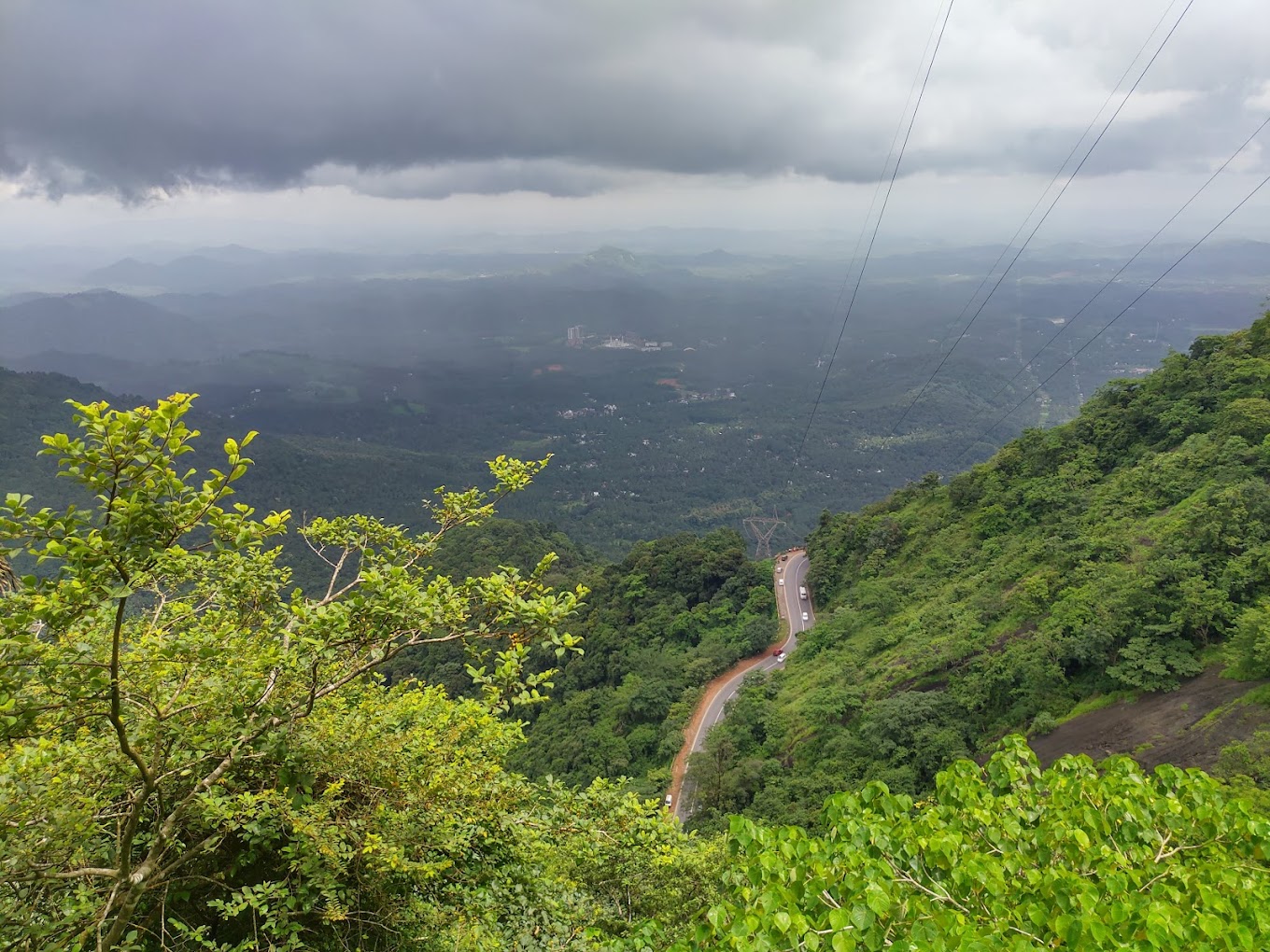
 Lakkidi Viewpoint
A hill-road viewpoint near Vythiri with views over the Thamarassery Ghat and surrounding Western Ghats. Visibility and road conditions should be checked before travel.
 attraction
 Phantom Rock
Phantom Rock in Ambalavayal, Wayanad — a striking natural rock formation resembling a human skull. Free entry, easy access, ideal for photography. 26 km from Kalpetta, near Edakkal Caves and Heritage Museum.
 attraction
 Wayanad Tea Museum
Wayanad Tea Museum showcases Kerala's rich tea heritage in a century-old colonial-era tea factory. Explore tea processing, taste premium teas, and learn about Wayanad's tea cultivation legacy.
 attraction
 Chembra Peak
The highest peak in Wayanad, offering breathtaking views and a heart-shaped lake.