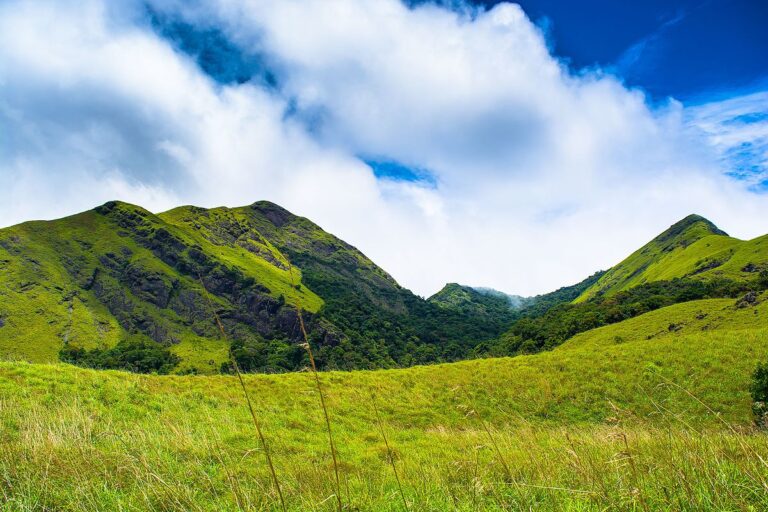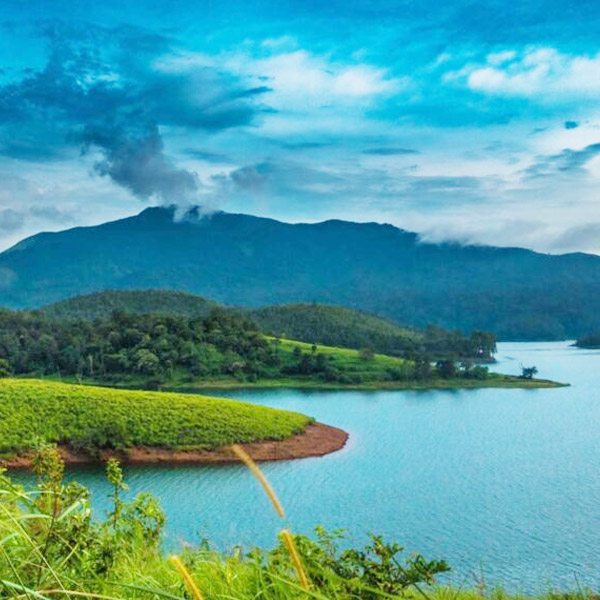
Banasura Sagar Dam in Wayanad, Kerala — India's largest earthen dam nestled amidst the picturesque hills of Wayanad, off
✓ Open Last updated: April 2026

Banasura Sagar Dam

India's largest earthen dam nestled amidst the picturesque hills of Wayanad, offering stunning views and water activities.

Banasura Sagar Dam is the largest earthen dam in India and the second-largest in Asia, located in Wayanad district, Kerala. Built across the Karamanathodu River and completed in 1979, the dam stands 38.5 meters high with a length of 685 meters. Positioned approximately 21 kilometers west of Kalpetta in the village of Padinjarathara, this engineering marvel creates a scenic reservoir with a storage capacity of 209 million cubic meters. The dam’s construction resulted in the submergence of several hills, which now form picturesque islands within the reservoir, making it a distinctive geographical feature of the region. The site serves multiple purposes including irrigation, hydroelectric generation through the downstream Kakkayam project, and drinking water supply to surrounding communities. Today, it functions as a major tourist attraction offering recreational activities such as speedboat rides, island trekking, and photography, though it remains currently closed to visitors due to precautionary measures following landslides in the Wayanad region.

Current Status

As of 2025-2026, Banasura Sagar Dam is currently closed to visitors due to landslide concerns affecting the Wayanad district. The frontmatter FAQs contain conflicting information, with earlier entries indicating the dam was open to visitors, while more recent entries (specifically dated responses about landslide closure) mark the site as closed. The closure represents a precautionary measure implemented to ensure visitor safety and manage potential risks associated with recent landslide activity in the region. The exact reopening date has not been determined, and the situation is being closely monitored by local authorities and relevant government departments. Prospective visitors are advised to check current news sources, contact local tourism offices in Kalpetta or Padinjarathara, or call the nearest tourist information center before planning any visit to the dam. This closure may be temporary or extended depending on geological assessments and safety evaluations conducted by the Wayanad District Administration and related agencies.

Key Facts and Statistics

AttributeDetails
Dam Length685 meters
Dam Height38.5 meters
TypeEarthen dam
Year Completed1979
RiverKaramanathodu River (tributary of Kabini River)
Reservoir AreaApproximately 26.25 square kilometers
Storage Capacity209 million cubic meters (MCM)
DistrictWayanad
StateKerala
CountryIndia
RankingLargest earthen dam in India; Second-largest in Asia
Adjacent VillagePadinjarathara
Distance from Kalpetta21 kilometers
Distance from Kozhikode88 kilometers
ElevationApproximately 775 meters above sea level

Location and Geography

Banasura Sagar Dam is strategically positioned in the Wayanad district of Kerala, one of the most scenic and biodiverse regions in South India. The dam is located near the village of Padinjarathara, situated 21 kilometers west of Kalpetta, the primary town in the district. The geographical coordinates of the dam are approximately 11.6833°N latitude and 75.9167°E longitude. The site sits at an elevation of around 775 meters above sea level, nestled within the Western Ghats mountain range, which creates a naturally stunning landscape with lush vegetation, forested hills, and diverse wildlife.

From Kozhikode (Calicut), the dam is approximately 88 kilometers away, making it accessible for day trips from this major city. The surrounding region is characterized by dense tropical forests, tea and spice plantations, and coffee estates. The Wayanad district itself is known for its rich biodiversity, including wildlife sanctuaries and reserved forests. The dam’s location within this ecologically sensitive area makes it particularly important for water management and hydroelectric generation while also contributing to the region’s conservation efforts. The proximity to the Western Ghats ensures abundant rainfall during monsoons, maintaining the reservoir’s water levels throughout the year, though with seasonal variations.

How to Reach Banasura Sagar Dam

By Air The nearest airports to Banasura Sagar Dam are Calicut International Airport (also known as Kozhikode Airport), located approximately 95 kilometers away, and Kannur International Airport, situated about 105 kilometers from the dam. From either airport, visitors can rent a car or hire a taxi to reach the dam, with journey times ranging from 2 to 2.5 hours depending on traffic conditions and road conditions.

By Train The nearest railway station is Kozhikode Railway Station (also called Calicut Railway Station), approximately 88 kilometers from the dam. This station is well-connected to major Indian cities including Bangalore, Mangalore, and Chennai. From Kozhikode Railway Station, visitors can hire a taxi, rent a car, or take a bus to reach Kalpetta, and then travel the remaining 21 kilometers to the dam. The entire journey by train and road typically takes 4-5 hours.

By Road Road access to Banasura Sagar Dam is well-developed and straightforward. From Kalpetta, the primary town in Wayanad, the dam is 21 kilometers away via the Padinjarathara Road, requiring approximately 40 minutes of travel time. From Kozhikode (Calicut), the journey is 88 kilometers, taking around 2.5 hours. From Bangalore (295 kilometers away), visitors typically drive via NH275 and NH766, requiring approximately 6-7 hours. From Mysore (145 kilometers), the journey takes about 4 hours via NH766, traveling through Gundlupet. From Kochi (280 kilometers), the drive takes approximately 7-8 hours. Visitors are advised to use GPS navigation or Google Maps for precise directions, as the roads, though well-marked in most areas, can have varying conditions depending on the season.

Public Transport Kerala State Road Transport Corporation (KSRTC) operates regular buses to Kalpetta and Padinjarathara from major cities. From Kozhikode, buses are available that travel to Kalpetta, from where local buses or auto-rickshaws can be hired for the remaining journey to the dam. Public transport is economical but may require longer travel times due to multiple stops.

History and Construction

Banasura Sagar Dam was conceived as part of the Banasura Sagar Project, a comprehensive water management initiative led by the Indian Bank and implemented by the Wayanad District Administration. Construction of the dam began in the mid-1970s and was completed in 1979. The project was envisioned with dual objectives: to support irrigation requirements for agricultural areas surrounding Wayanad and to supply drinking water to local communities. Additionally, the dam serves as a crucial component of the Kakkayam Hydroelectric Project, located downstream, which generates electricity for the region.

The dam was constructed across the Karamanathodu River, a tributary of the larger Kabini River system. The engineering design employs earthen construction, making it structurally significant as India’s largest earthen dam. The construction process involved extensive site surveys, geological assessments, and hydrological studies to ensure the dam’s stability and longevity. The project required the displacement and rehabilitation of local communities living in the areas that were to be submerged, representing one of the significant social impacts of the infrastructure development.

The submergence of land during the dam’s creation resulted in the formation of the Banasura Sagar Reservoir, which covers an area of approximately 26.25 square kilometers. Notably, several hills within the submergence area were not entirely covered by water, instead becoming islands within the reservoir. These islands have become distinctive features of the landscape, creating scenic vistas and adding to the recreational appeal of the location. The islands are often the focus of tourism activities such as island trekking and boat excursions.

The Banasura Legend and Mythology

The dam derives its name from Banasura (also spelled Bana), a prominent figure in Hindu mythology as described in ancient Indian epics, particularly the Bhagavata Purana. According to legend, Banasura was a powerful asura (demon) king who was the son of Bali and an ardent devotee of Lord Shiva. Banasura was renowned for his strength, military prowess, and unwavering devotion to Shiva, to whom he reportedly performed severe penance to earn blessings and spiritual powers.

The most famous legend associated with Banasura involves his daughter Usha and her encounter with Lord Krishna. According to the Bhagavata Purana, Usha, Banasura’s daughter, fell in love with Aniruddha, the grandson of Lord Krishna. When Banasura discovered this romance, he imprisoned Aniruddha in his palace. This led to a confrontation between Banasura and Lord Krishna, resulting in an epic battle. Despite his powers derived from his devotion to Shiva, Banasura was eventually defeated by Krishna, though some versions of the legend describe Krishna defeating him after a fierce combat and subsequently blessing him.

The naming of Banasura Sagar Dam is believed to honor this legendary figure and connects the modern infrastructure development with the region’s rich mythological heritage. The Wayanad region, with its association with ancient kingdoms and mythological narratives, has several sites and landmarks named after figures from Hindu epics. The Banasura Hills, located near the dam and constituting a popular trekking destination, are also named after the same legendary figure. This mythological naming tradition helps preserve cultural continuity and allows local communities to maintain connections with their historical and spiritual heritage.

Reservoir and Island Features

The creation of Banasura Sagar Reservoir through the dam’s construction fundamentally transformed the landscape of the Padinjarathara region. The reservoir, with its storage capacity of 209 million cubic meters, occupies an area of approximately 26.25 square kilometers when at full capacity. The water body’s formation resulted in a distinctive geographical feature: several pre-existing hills within the area designated for submergence were not entirely submerged, instead becoming islands scattered throughout the reservoir.

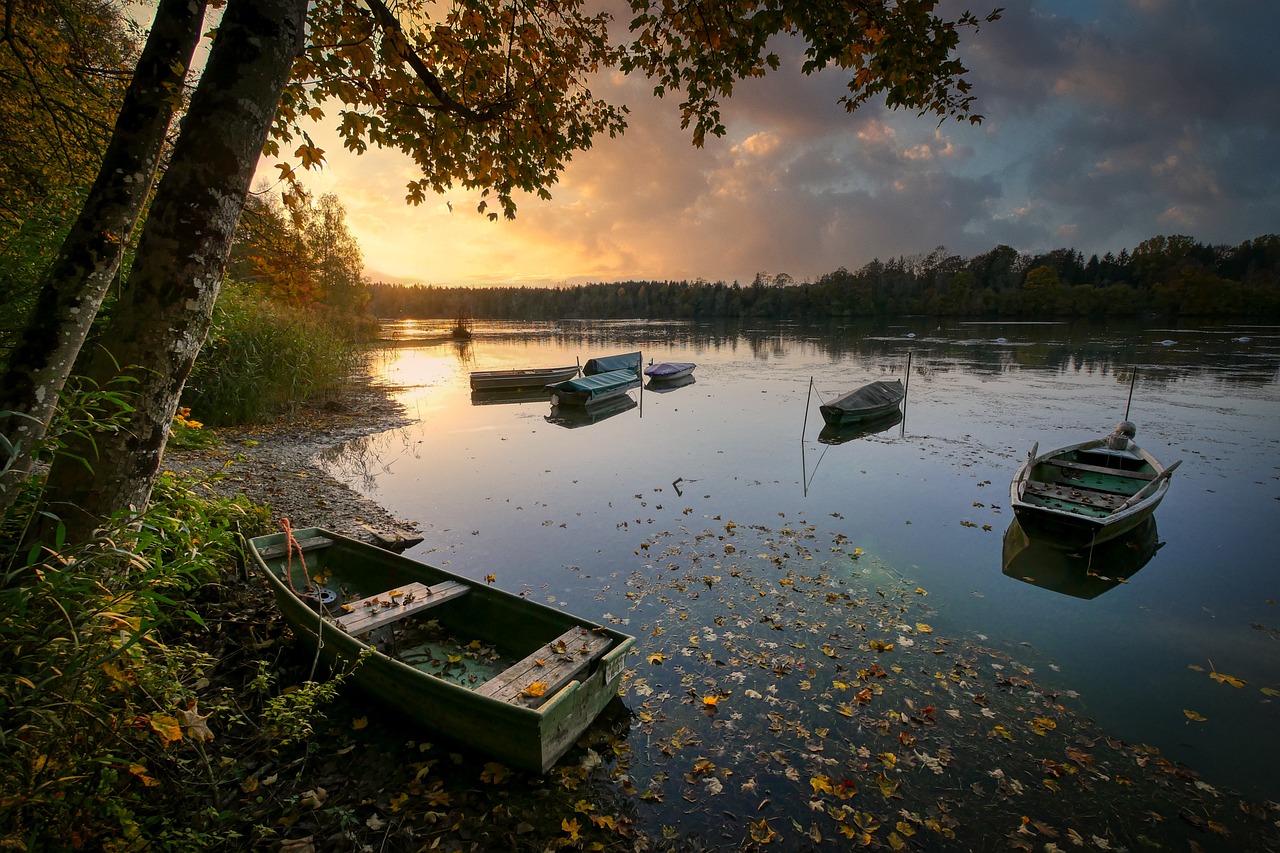
These islands range in size from small rocky outcrops to larger landmasses that support vegetation and, in some cases, wildlife. The largest islands are popular destinations for trekking expeditions and serve as focal points for recreational activities. The islands are typically accessible only by boat, making them destination points for speedboat excursions and water-based tourism activities. The scenic beauty created by these islands against the backdrop of forested hills has made the reservoir a photographer’s paradise, particularly during sunrise and sunset when the lighting conditions create dramatic reflections in the water.

The reservoir’s ecology is distinctive, with the water body supporting a variety of fish species and aquatic life. The surrounding forests, largely protected under the Wayanad Wildlife Sanctuary and related conservation areas, provide habitat for diverse fauna including elephants, wild boar, sambar deer, and various bird species. The ecosystem created by the reservoir and its surrounding forests makes it an area of significant ecological importance. Local wildlife authorities monitor the reservoir’s ecosystem to balance recreational use with conservation needs.

The boating routes within the reservoir typically follow prescribed channels designed to minimize environmental impact while maximizing visitor experience. Popular routes include circumnavigating specific islands, visiting scenic viewpoints, and reaching the dam’s spillway structures. The water quality of the reservoir is monitored to ensure it remains suitable for recreational activities and drinking water supply purposes.

Activities Available at Banasura Sagar Dam

Speedboat and Boating

Speedboat rides represent the most popular activity at Banasura Sagar Dam, offering visitors the opportunity to explore the reservoir and appreciate its natural beauty from the water. These motorized boats are typically designed to accommodate 6-10 passengers and offer thrilling rides across the water body. Standard speedboat charges begin from ₹500 per boat and vary based on the duration of the ride and specific routes chosen. A typical speedboat ride lasts 30-45 minutes and covers the reservoir’s scenic areas including views of islands and the dam structure itself.

Other boating options include larger ferries and traditional country boats that provide a more leisurely experience for visitors seeking a relaxed pace. These alternative boats operate at different rates and accommodate larger groups. All boating activities are subject to weather conditions and may be suspended during heavy rains or when water levels are unusually high.

Trekking and Island Exploration

Trekking opportunities at Banasura Sagar Dam include walking trails on the accessible islands and around the reservoir’s periphery. Island trekking typically involves short walks through forested areas on the larger islands, offering opportunities to observe local flora and appreciate the natural landscape. These treks are generally of easy to moderate difficulty and are suitable for visitors with basic fitness levels.

The dam site also serves as the starting point for the challenging trek to Banasura Peak (also called Banasura Mala), the highest point in the region. This is a more strenuous trekking option that requires several hours and involves ascending approximately 2,000 meters over a distance of around 8-10 kilometers. The trek passes through dense forests and offers panoramic views of Wayanad’s landscape from the summit. Detailed information about Banasura Hills trekking is available at the dedicated Banasura Hills page.

Photography and Nature Observation

Banasura Sagar Dam offers numerous photography opportunities for both amateur and professional photographers. The picturesque landscape, featuring the dam structure against forested hills, islands reflected in calm water, and dramatic sunrise and sunset lighting, provides compelling photographic subjects. The viewing platforms and designated photography spots around the dam are strategically positioned to capture optimal perspectives.

Professional photographers often visit during the golden hours (early morning and late evening) when lighting conditions create particularly striking images. Landscape photography, wildlife photography, and portrait photography all benefit from the diverse environmental features available at the location. Bird watching and wildlife observation are possible throughout the day, with various species of water birds frequently visible near the shoreline.

Drone photography is permitted in designated areas but requires special authorization from local authorities. Visitors interested in drone photography should inquire at the entry point or through local tourism offices regarding current regulations and the process for obtaining necessary permissions.

Nature Walks and Viewpoints

The dam site includes several developed viewpoints and walking trails that allow visitors to appreciate the landscape from different vantage points. Gentle nature walks along the perimeter of the reservoir provide opportunities for wildlife observation and nature appreciation. These walks are typically 1-2 kilometers in length and take 45 minutes to 1.5 hours depending on pace and the number of photography stops made.

Banasura Peak Trekking

Banasura Peak represents a challenging trekking destination for experienced hikers seeking a more demanding adventure. The peak is approximately 4 kilometers from the dam site and requires approximately 3-4 hours of trekking to reach the summit, with an additional 3-4 hours required for the descent. The total trek distance is approximately 8-10 kilometers depending on the specific route taken.

The trek path winds through dense tropical forests, climbing gradually at first and then increasing in steepness. Trekkers encounter diverse vegetation including evergreen trees, ferns, and various plant species characteristic of the Western Ghats. The summit elevation of approximately 2,064 meters provides expansive views across Wayanad and neighboring regions. On clear days, the vista extends to forested valleys and the distant landscape beyond the district boundaries.

The trek is graded as difficult to very difficult due to the elevation gain, terrain challenges, and altitude effects. The trail can be slippery during monsoon season, making monsoon treks inadvisable for most visitors. The best trekking seasons are October through May, with December through February offering the most favorable conditions. Detailed information about Banasura Hills trekking, including guided trek arrangements, can be found at the Banasura Hills page.

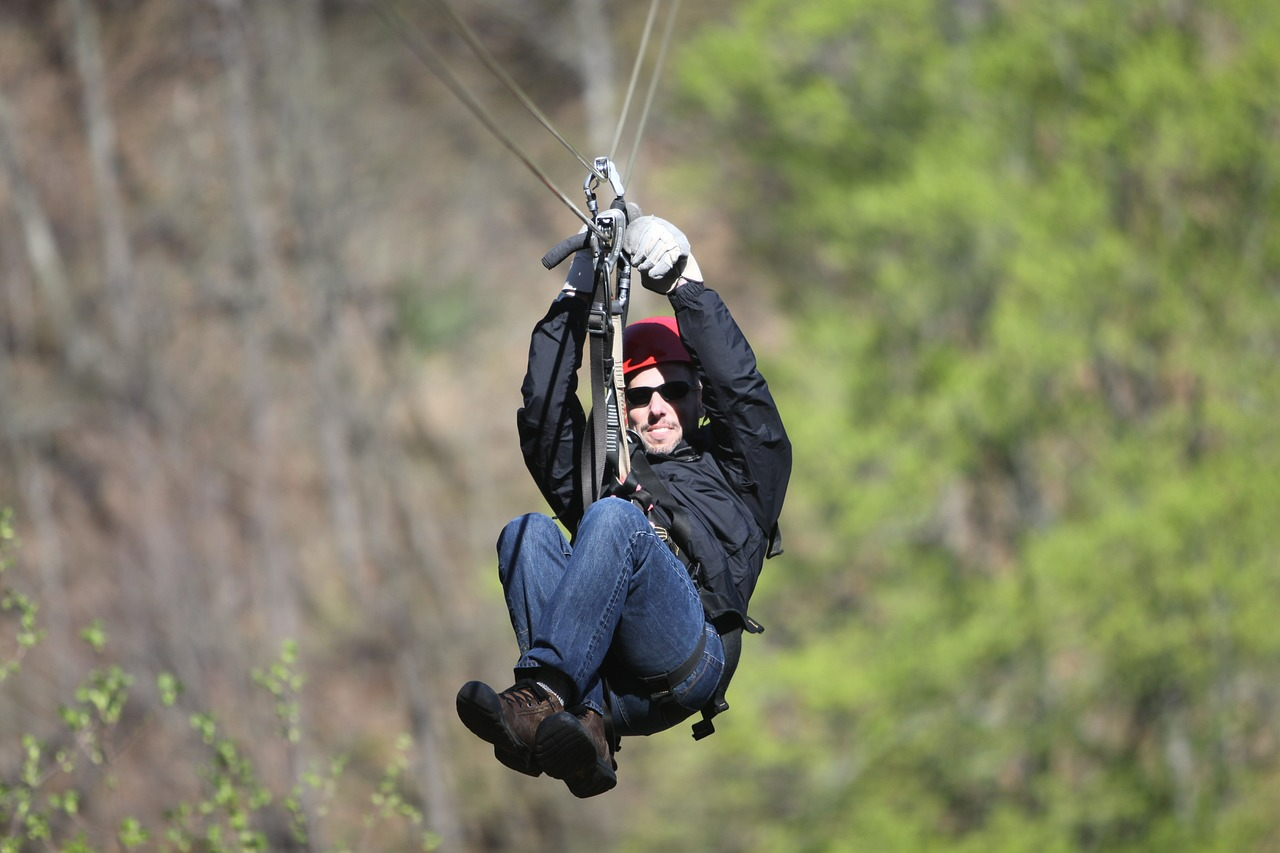
Adventure Activities: Banasura Sagar Dam Zipline

In addition to traditional activities, adventure enthusiasts can experience the Banasura Sagar Dam Zipline, an exciting aerial adventure activity that allows visitors to soar above the reservoir. The zipline is suspended across a section of the dam and water body, providing a unique perspective of the landscape and an adrenaline rush for participants. This activity is suitable for visitors aged 10 years and above who meet health and weight requirements.

The zipline experience typically lasts 2-3 minutes of actual flight time, during which participants descend at controlled speeds while suspended over the water and landscape. Safety measures are rigorously implemented, including certified equipment, trained operators, and pre-ride safety briefings. Prices for the zipline experience typically range from ₹400-₹800 per person depending on the package and operator. Comprehensive information about the zipline activity, booking procedures, and safety requirements is available at the Banasura Sagar Dam Zipline page.

Kakkayam Hydroelectric Project

The Kakkayam Hydroelectric Project, located downstream of Banasura Sagar Dam, represents an important beneficiary of the dam’s water management capabilities. This hydroelectric facility was commissioned to generate electricity through the controlled release of water from the reservoir. The project’s power generation capacity and operational efficiency depend significantly on the water levels maintained within the Banasura Sagar Reservoir.

The hydroelectric project typically releases water during peak demand hours, creating visible outflows from the dam’s spillway. These water releases influence the downstream river ecosystem and must be carefully managed to balance electricity generation with environmental needs. The project demonstrates the multi-purpose nature of the dam infrastructure, which serves simultaneously for irrigation, water supply, and hydroelectric generation.

The coordination between the dam authorities and the hydroelectric project operators ensures optimal water management. During monsoon seasons when water inflows are high, more water may be released for electricity generation. During drier seasons, water is carefully conserved for irrigation and drinking water purposes. This balance between various water use sectors exemplifies integrated water resource management practices.

Best Time to Visit

October to May (Recommended Season) The period from October to May represents the ideal season for visiting Banasura Sagar Dam. During these months, the weather is pleasant with moderate temperatures, lower humidity, and minimal rainfall. The skies are generally clear, providing excellent visibility for photography and sightseeing. Water levels in the reservoir are relatively stable during this period, ensuring all activities remain available. December through February offer the most favorable conditions with temperatures between 15-25°C, cool mornings and evenings, and comfortable conditions for all activities including trekking.

June to September (Monsoon Season) The monsoon season transforms Banasura Sagar into a dramatic landscape with heavy rainfall, mist-covered hills, and swollen water bodies. While the scenery becomes particularly striking with the verdant vegetation and powerful water flows, some activities may be restricted. Boating might be limited or suspended on days with heavy rain or rough water conditions. Trekking becomes more challenging due to slippery trails and reduced visibility. However, photographers and nature enthusiasts often find the monsoon season visually stunning, with opportunities to capture unique atmospheric conditions and lush landscapes.

Entry Fees and Visiting Hours

Entry Fees (When Open) When the dam is open to visitors:

  • Entry fee: ₹50 per person
  • Children under 5 years: Free entry
  • Photography permits: Generally included in entry fee; drone photography requires special authorization

Boating Charges (When Activities Resume)

  • Speedboat rides: Starting from ₹500 per boat (typically accommodates 6-10 persons)
  • Island trekking: Often included with boating charges or charged separately as ₹100-₹200 per person
  • Other boat types: Variable rates depending on boat size and duration

Operating Hours (When Open)

  • Opening time: 9:00 AM
  • Closing time: 5:00 PM
  • Last entry: 4:00 PM
  • Daily closure: The facility typically operates daily, including weekends and public holidays, when open

Current Status Note Due to the current closure related to landslide concerns, entry fees and boating charges are not applicable. Visitors should verify the reopening status before planning visits.

Photography Tips and Best Practices

Sunrise and Sunset Photography The best photography opportunities occur during the golden hours immediately after sunrise and before sunset. During these periods, the sun’s angle creates warm, diffused light that beautifully illuminates the landscape, water surface, and island features. Arrive early to secure good positions at viewpoints before these optimal hours.

Island Reflections and Water Photography Calm mornings often provide mirror-like reflections of islands and forested hills in the reservoir. Capturing these reflections requires calm water conditions and positioning equipment to include both the landscape and its reflection. Polarizing filters can enhance water reflections and reduce glare.

Drone Photography Requirements Drone photography at Banasura Sagar Dam requires special permission from local authorities. Standard recreational drones may not be permitted without authorization. Interested photographers should inquire about drone photography regulations at the entry point and follow all prescribed procedures for obtaining necessary permissions.

Equipment Recommendations

  • Wide-angle lenses (16-35mm) for landscape photography
  • Telephoto lenses (100-300mm) for wildlife and distant island photography
  • Tripods for stability during low-light conditions
  • Neutral density filters for managing bright water reflections
  • Waterproof bags for protection during boating activities

Safety Considerations Keep photography equipment secure during boating activities. Avoid leaning excessively over boat edges while photographing. Be mindful of other visitors when using tripods at viewing platforms. Respect any photography restrictions in sensitive areas.

Accommodation Options

Padinjarathara Nearby Padinjarathara village, closest to the dam site, offers basic accommodation options including homestays and small guesthouses. These typically provide authentic local experiences with home-cooked Kerala meals and personalized hospitality. Budget-friendly options ranging from ₹1,000-₹3,000 per night are commonly available.

Kalpetta Resorts Kalpetta, 21 kilometers away, offers a wider range of accommodation facilities including hotels, resorts, and homestays. Options range from budget accommodations (₹1,000-₹2,500) to mid-range resorts (₹3,000-₹6,000) to upscale properties (₹6,000+). Kalpetta provides convenient base facilities with restaurants, shops, and other amenities.

Eco-lodges and Heritage Stays The Wayanad region features several eco-lodges that emphasize sustainable tourism and environmental conservation. These properties typically offer nature-focused experiences with modern amenities at mid-range pricing (₹2,500-₹5,000). Many provide guided nature walks, organic meals, and wellness activities.

Nearby Attractions for Overnight Stays Visitors planning longer stays can explore accommodation options in Sulthan Bathery, Mananthavadi, or other Wayanad towns, using Banasura Sagar Dam as one of multiple visitation points within a broader Wayanad tourism itinerary.

Local Food and Cuisine

Kerala Cuisine Specialties The Padinjarathara area and surrounding Wayanad region offer authentic Kerala cuisine featuring rice as the staple and abundant use of coconut, spices, and fish. Visitors can enjoy:

  • Appam with stew (fermented rice cake with vegetable or meat curry)
  • Puttu (cylindrical steamed cake served with sambar)
  • Fish curry (local specialty using freshwater and ocean fish)
  • Chicken or mutton preparations seasoned with traditional Kerala spices
  • Coconut-based gravies and curries

Local Eateries and Restaurants Small cafeterias and food stalls operate near the dam premises, offering snacks, tea, coffee, and light refreshments. Padinjarathara village has several local restaurants serving traditional Kerala meals and North Indian options. These establishments provide economical dining options for budget-conscious travelers.

Beverages and Local Drinks Tea, particularly grown in local plantations, is a staple beverage. Coffee from nearby estates is also readily available. Fresh fruit juices from seasonal fruits including mango, pineapple, and papaya are commonly available during appropriate seasons.

Recommendations for Visitors

  • Carry sufficient drinking water, as consumption increases during outdoor activities
  • Sample local fish curries, which represent authentic Wayanad cuisine
  • Inquire about vegetarian options at local establishments
  • Avoid consuming water directly from the reservoir or natural sources

Nearby Attractions and Complementary Visits

Banasura Hills Trek The Banasura Hills, located in proximity to the dam, offer a challenging trekking destination suitable for experienced hikers. Detailed information and trekking guides are available at the Banasura Hills page.

Thusharagiri Waterfalls Located approximately 20 kilometers from the dam, Thusharagiri features multiple cascades and provides opportunities for swimming and photography. Information about this attraction can be found at Thusharagiri Waterfalls.

Wayanad Tea Museum This museum showcases the region’s tea plantation heritage and production processes. Detailed information is available at the Wayanad Tea Museum page.

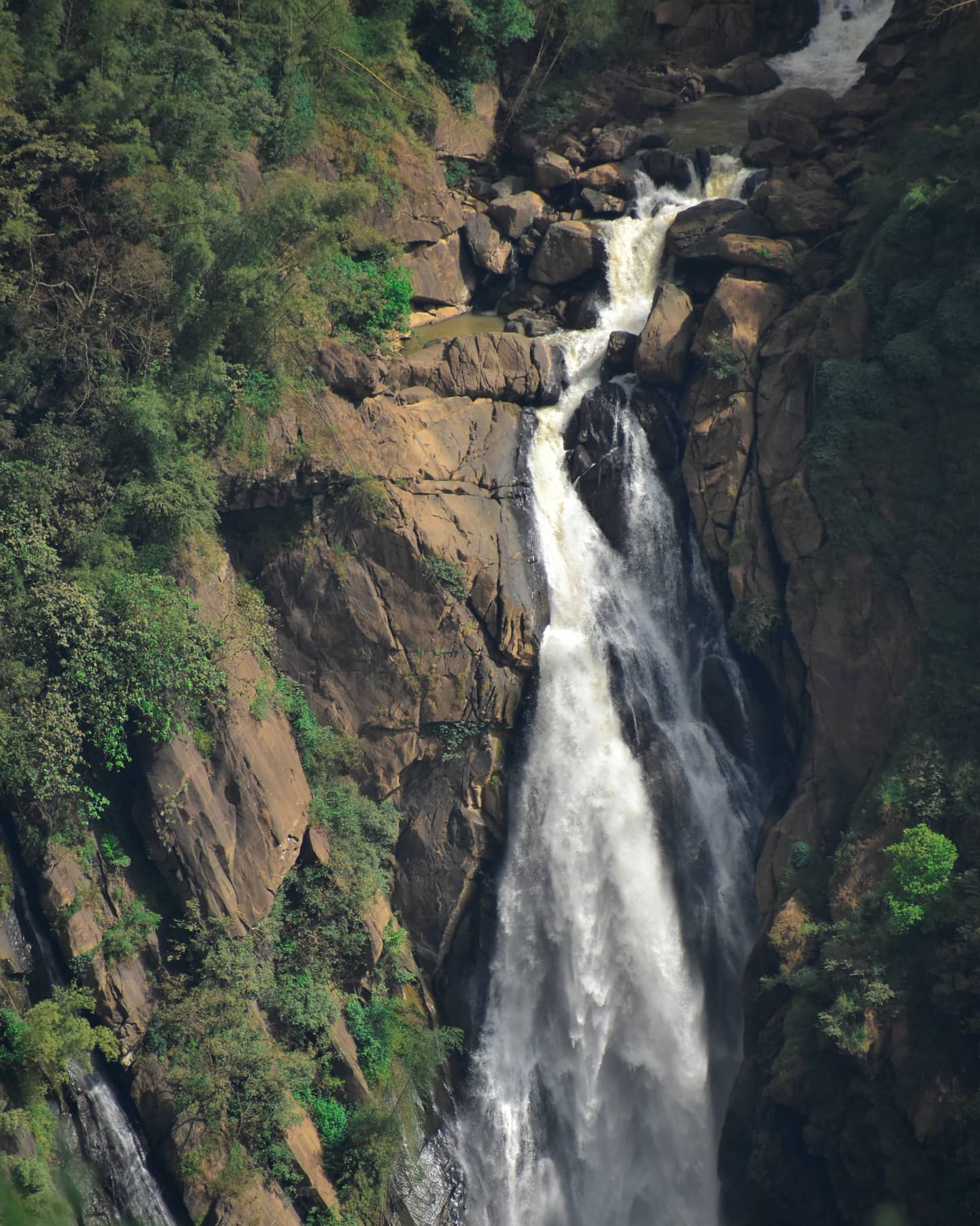
Meenmutty Waterfalls Located approximately 25 kilometers away, Meenmutty presents a three-tiered waterfall and trekking opportunities. Information is available at Meenmutty Waterfalls.

Karlad Lake This scenic lake, approximately 15 kilometers away, offers boating facilities and scenic views. Details can be found at Karlad Lake.

Pookode Lake A picturesque freshwater lake approximately 24 kilometers away, Pookode offers boating and nature walks. Information is available at Pookode Lake.

Environmental and Safety Information

Life Jackets and Water Safety Life jackets are mandatory for all boating activities at Banasura Sagar Dam. All boats operating in the reservoir are equipped with life jackets meeting safety standards. Visitors should wear properly fitted life jackets throughout boating activities. Non-swimmers and those uncomfortable in water should inform boat operators and ensure proper life jacket fit.

Drinking Water and Health Precautions Do not consume water directly from the reservoir, despite its use for drinking water supply after treatment. Visitors should drink only treated, bottled water or beverages offered by authorized vendors. Carry sufficient water to maintain hydration during activities, particularly during summer months and outdoor trekking. Use sunscreen with appropriate SPF and reapply after water-based activities.

Post-Landslide Safety Considerations Given the recent landslide incidents in the Wayanad region that prompted the dam’s closure, visitors should pay attention to:

  • Any geotechnical warnings issued by authorities
  • Debris or unstable terrain on hiking trails
  • Sudden weather changes that could trigger further geological instability
  • Local news and official advisories regarding safe travel routes

Wildlife Safety The surrounding areas host wildlife including elephants, wild boar, and other forest fauna. Visitors should:

  • Avoid hiking alone on remote trails
  • Stay on designated paths and not venture into dense forests
  • Be particularly cautious during early morning and dusk hours
  • Make noise while walking to alert wildlife of human presence
  • Never approach animals closely

Weather-Related Safety During monsoon season, be aware of:

  • Sudden water level rise in the reservoir
  • Flash flooding risks on low-lying areas
  • Slippery trails during wet conditions
  • Electrical hazards during thunderstorms
  • Reduced visibility during heavy rain

Conservation Efforts and Environmental Management

Wayanad Biosphere Reserve Banasura Sagar Dam is located within or adjacent to the Wayanad Biosphere Reserve, an UNESCO-recognized area of significant biodiversity. The biosphere reserve encompasses forests, wildlife, and aquatic ecosystems that require protection and sustainable management. The dam’s operation must balance human use with environmental conservation needs.

Water Management and Ecology The dam authorities implement water release protocols designed to maintain downstream ecosystem health while meeting irrigation, drinking water, and hydroelectric generation demands. These protocols consider seasonal variations, ecosystem requirements, and human needs. Monitoring of water quality ensures suitability for all designated uses.

Forest Department Coordination The Kerala Forest Department actively manages the forests surrounding the reservoir to maintain biodiversity and prevent ecological degradation. This coordination includes wildlife monitoring, invasive species management, and ecosystem restoration initiatives. Conservation efforts aim to preserve the natural habitats of native species including elephants, sambar deer, wild boar, and numerous bird species.

Sustainable Tourism Practices Tourism activities are managed to minimize environmental impact. Designated boating channels, controlled visitor numbers in sensitive areas, and waste management systems are implemented to ensure sustainable tourism development.

What to Pack for Your Visit

Clothing and Footwear

  • Light, breathable clothing suitable for warm daytime temperatures
  • Light jacket or sweater for cooler early morning and evening hours
  • Comfortable walking shoes with good grip for trail walking
  • Water-resistant or waterproof footwear if boating
  • Hat or cap for sun protection
  • Sunglasses

Sun and Skin Protection

  • Sunscreen with SPF 30 or higher, reapply regularly
  • Insect repellent to prevent mosquito and tick bites
  • Aloe vera gel for minor sunburn treatment

Hydration and Sustenance

  • 2-3 liters of drinking water per person
  • Light snacks including fruits, nuts, or energy bars
  • Salt and electrolyte replacements if engaging in strenuous activities

Safety and Navigation

  • First aid kit with basic medical supplies
  • Medications for common ailments including headache and motion sickness
  • Fully charged mobile phone for communication
  • GPS device or downloaded offline maps

Recreation and Documentation

  • Camera or smartphone for photography
  • Waterproof bag or case for electronic devices during boating
  • Towel for drying after water activities
  • Swimwear for boating and water activities where permitted

Family-Friendly Visit Guidelines

Suitability for Children Banasura Sagar Dam is generally family-friendly with activities suitable for children:

  • Children aged 5 and above can participate in boating activities with proper life jacket supervision
  • Island exploration walks are suitable for children with moderate hiking ability
  • Photography and nature observation engage visitors of all ages
  • Viewing platforms offer safe vantage points for family groups

Accessibility Considerations Wheelchair accessibility is limited at the dam site. While entry areas and some viewpoints are accessible, trekking trails and boating areas present challenges for mobility-impaired visitors. Families with accessibility requirements should contact local authorities in advance to assess specific accommodations available.

Baby and Toddler Considerations

  • Children below 5 years often experience motion sickness during boat rides
  • Limited facilities for infant care (diaper changing, feeding areas)
  • Shaded areas for protecting young children from sun exposure are limited
  • Carrying infants during trekking activities is challenging due to terrain

Family Activity Recommendations

  • Combine short boating rides (30-45 minutes) with viewing platform visits
  • Plan walks during cooler early morning hours
  • Allocate 2-3 hours total for complete family experience
  • Bring plenty of snacks and water suitable for children’s preferences
  • Ensure children wear properly fitting life jackets and stay close during activities

Banasura Sagar Dam, despite its current temporary closure, remains a destination of significant geographical, historical, and recreational importance in Kerala’s tourism landscape. When it reopens, visitors can expect a uniquely rewarding experience combining natural beauty, adventure activities, cultural heritage connections, and ecological significance within the scenic Wayanad region.

* For exact directions, we recommend contacting our travel desk or using Google Maps navigation.

Plan Your Visit

Get help with stays, transport & itinerary for Banasura Sagar Dam

Chat on WhatsApp

Free trip planning assistance

Frequently Asked Questions

What is the best time to visit Banasura Sagar Dam?

The best time to visit is from October to May when the weather is pleasant. The monsoon season (June to September) can be spectacular but some activities might be restricted.

Are boating activities available at the dam?

Yes, speed boat rides and other water activities are available. The boating service operates from 9:00 AM to 5:00 PM, subject to weather conditions.

How much time should I spend at Banasura Sagar Dam?

A typical visit takes 2-3 hours, including boating activities and exploring the viewpoints. Plan for half a day if you want to enjoy all activities at a relaxed pace.

Is photography allowed at the dam?

Yes, photography is allowed and encouraged. The dam offers numerous scenic spots perfect for photography. However, drone photography requires special permission.

Are there any restaurants or food options available?

There are small cafeterias and food stalls near the dam offering local snacks and beverages. However, it's recommended to carry water and light snacks, especially during peak tourist season.

What are the entry fees and boating charges?

Entry fee is ₹50 per person. Boating charges start from ₹500 per boat (speed boat) and vary based on the type of boat and duration. Children below 5 years can enter free.

Is Banasura Sagar Dam currently open to visitors?

Yes, Banasura Sagar Dam is usually open to visitors throughout the year. However, it’s advisable to check for any temporary closures due to maintenance, government regulations, or extreme weather conditions.

banasura sagar dam in which river?

Banasura Sagar Dam is built on the Karamanathodu River, which is a small river that eventually flows into the larger Kabini River.

how to reach banasura sagar dam?

From Kalpetta: By Car/Taxi: Drive 21 km west on the Padinjarathara road, taking about 40 minutes. By Bus: Take a local bus to Padinjarathara, then a short taxi or auto-rickshaw ride to the dam. From Kozhikode (Calicut): By Car/Taxi: Drive 88 km, taking around 2.5 hours. Head to Kalpetta first, then follow the road to Banasura Sagar Dam. By Bus: Board a bus to Kalpetta from Kozhikode bus stand. From Kalpetta, take a local bus or taxi to the dam. From Bangalore: By Car: Drive about 300 km via NH275 and NH766, taking around 6-7 hours. By Bus: Take an overnight bus to Kalpetta, then a local bus or taxi to Banasura Sagar Dam. By Train: Take a train to Kozhikode, then follow directions from Kozhikode to the dam. From Mysore: By Car/Taxi: Drive 160 km via NH766, taking about 4 hours. Travel through Gundlupet to Wayanad and then to the dam. By Bus: Take a direct bus to Kalpetta, then a local bus or taxi to Banasura Sagar Dam. From Sulthan Bathery (Wayanad): By Car/Taxi: Drive 42 km, taking about 1.5 hours. Follow NH766 to Kalpetta, then to the dam. By Bus: Take a bus to Kalpetta, then a local bus or taxi to the dam. From Nearby Attractions: From Pookode Lake: Drive 24 km via Kalpetta-Padinjarathara road, taking around 40 minutes. From Kuruva Island: Drive 36 km, taking about 1 hour. Follow the route through Mananthavady. Additional Tips: Use Navigation: Use Google Maps or GPS for precise directions. Public Transport: Check local bus schedules. Kerala State Road Transport Corporation (KSRTC) buses are available. Rentals: Consider renting a car or bike for more flexibility. With these directions, you should be able to reach Banasura Sagar Dam easily and enjoy its natural beauty and activities!

banasura sagar dam in which state?

Banasura Sagar Dam is located in the state of Kerala, India. It is situated in the Wayanad district, which is known for its lush greenery, scenic landscapes, and rich biodiversity. The dam is a significant tourist attraction in Kerala, offering a variety of activities such as boating and trekking amidst the beautiful Western Ghats.

where is banasura sagar dam?

Banasura Sagar Dam is located in Wayanad, a district in the state of Kerala, India. It is near the village of Padinjarathara. The dam is surrounded by the lush greenery of the Western Ghats, making it a popular tourist destination.

banasura sagar dam on which river?

Banasura Sagar Dam is built on the Karamanathodu River, which is a tributary of the Kabini River.

where is banasura sagar dam situated?"

Banasura Sagar Dam is situated in Wayanad district, in the state of Kerala, India. It is specifically located near the village of Padinjarathara and is surrounded by the scenic hills of the Western Ghats.

banasura sagar dam which district?

Banasura Sagar Dam is located in the Wayanad district of Kerala, India.

Is Banasura Sagar Dam currently open to visitors?

Banasura Sagar Dam is currently closed to visitors due to the landslide issues affecting the Wayanad region. The closure is a precautionary measure to ensure visitor safety and manage any potential risks associated with the landslides.

When is Banasura Sagar Dam expected to reopen?

The reopening date for Banasura Sagar Dam has not yet been determined. The situation is being closely monitored, and updates will be provided once it is deemed safe to reopen. For the latest information, please check local news sources or contact local authorities.

What led to the closure of Banasura Sagar Dam?

The closure of Banasura Sagar Dam is due to recent landslides in the Wayanad area, which have impacted the accessibility and safety of the dam and its surrounding areas. The decision to close the site is to prevent accidents and address the consequences of these natural events.

Are there other attractions or activities to enjoy in Wayanad while Banasura Sagar Dam is closed?

Yes, there are several other attractions and activities in Wayanad that you can explore. Consider visiting places like Edakkal Caves, Pookode Lake, or the scenic viewpoints and trails in Wayanad Wildlife Sanctuary. Make sure to check the current status of these sites and local travel advisories before planning your visit.

Can I get a refund for any bookings or fees related to Banasura Sagar Dam?

For information on refunds or rescheduling related to Banasura Sagar Dam, please contact the relevant service providers or tour operators. They will assist you with refund requests or provide alternative arrangements if needed.

How can I stay updated on the status of Banasura Sagar Dam?

To stay informed about Banasura Sagar Dam, monitor local news, visit official websites, or follow social media channels for updates. You may also sign up for notifications or alerts, if available, to receive the latest information about the dam and its accessibility.

What are the typical visiting hours for Banasura Sagar Dam?

The dam is generally open from 9:00 AM to 5:00 PM daily. It’s best to confirm the timings before your visit, as they can vary based on seasons or special circumstances.

How can I find out if the dam is closed on the day I plan to visit?

You can check the status by contacting the local tourism office, visiting their official website, or calling the tourist information centers. It's also helpful to monitor local news for any announcements.

What are the reasons for Banasura Sagar Dam being closed to the public?

The dam might be closed due to maintenance work, high water levels during monsoons, or government restrictions. Safety is a priority, so closures are implemented when necessary.

Can I visit Banasura Sagar Dam during public holidays?

Yes, the dam is typically open on public holidays, but it’s recommended to check ahead as holiday schedules can sometimes differ.

Nearby Places to Explore