
Wayanad Spice Plantations
Explore the aromatic world of Wayanad's famous spice gardens where pepper, cardamom, coffee, and tea grow amidst lush tropical forests.
Wayanad’s spice plantations represent centuries of agricultural tradition and cultural heritage. This region has been a major spice cultivation center since medieval times, with modern farms combining traditional knowledge and contemporary agriculture techniques.
The Spice Capital
Wayanad’s position in the Western Ghats provides ideal conditions for spice cultivation. The region’s combination of tropical climate, misty mornings, afternoon rains, and rich soil creates a spice grower’s paradise. Black pepper, the “king of spices,” thrives on Wayanad’s hillsides, with local production contributing significantly to India’s export markets. The region’s reputation for quality spices dates back centuries when merchants traveled arduous routes to procure these precious commodities.
Spice Varieties and Cultivation
Pepper dominates Wayanad’s agricultural landscape, grown primarily on small to medium-sized farms. Cardamom cultivation flourishes in higher elevations where misty conditions and shade create optimal growth. Coffee and tea estates carpet the cooler upland areas, creating picturesque landscapes. Cloves, nutmeg, cinnamon, and vanilla round out the spice portfolio, each requiring specific microclimate conditions found within Wayanad’s varied terrain. This diversity makes Wayanad a unique agricultural region.
Plantation Tourism Experience
Visiting spice plantations offers more than souvenirs; it provides cultural immersion. Guided tours explain cultivation cycles, harvest timing, and traditional processing methods using stone mortars and wooden equipment. Farmers share knowledge about sustainable practices passed through generations. The aromatic experience of walking through pepper vines laden with berries or cardamom plants with their distinctive pods creates sensory memories. Photography opportunities abound, especially during flowering seasons.
Direct Farm Shopping
Purchasing directly from plantations ensures quality and authenticity while supporting local farmers. You can witness spice grading and packaging processes, understanding how freshness is maintained. Personal recommendations from farmers help select appropriate spices based on intended use. Bulk purchases receive substantial discounts, and organic certifications are readily available. Many plantations provide vacuum-sealed packaging suitable for long storage and transport.
Sustainable and Organic Practices
Many Wayanad plantations have transitioned to organic farming, eliminating chemical fertilizers and pesticides. These sustainable practices protect soil health, conserve water, and maintain biodiversity. Organic certification from recognized bodies ensures quality standards. Supporting organic plantation tourism contributes to environmental conservation and sustainable livelihoods for farming communities. Many tourists specifically seek organic spices, driving the growth of eco-friendly agricultural practices.
Explore Trip Plans
Plan Your Visit
Get help with stays, transport & itinerary for Wayanad Spice Plantations
Chat on WhatsAppFree trip planning assistance
Frequently Asked Questions
Can I visit spice plantations as a tourist?
Yes, spice plantation visits are one of Wayanad's most popular tourist activities. Many plantations welcome visitors for guided tours that showcase cultivation methods, harvesting techniques, and spice processing. Most tours are free or have nominal charges (₹100-300 per person). Tours typically last 2-3 hours and include information about different spices, their medicinal uses, and traditional processing methods. Some plantations offer spice purchasing opportunities directly from producers.
What spices are grown in Wayanad plantations?
Wayanad is famous for cultivating several high-quality spices including black pepper, green and black cardamom, cloves, nutmeg, cinnamon, and vanilla. Coffee and tea estates also thrive in the cooler elevations of the region. Pepper is the most widely grown spice, making Wayanad a significant supplier to Indian and international markets. The region's tropical climate and altitude variations create ideal conditions for diverse spice cultivation.
What is the best time to visit spice plantations?
October to May is the ideal season for plantation visits when weather is pleasant and harvesting activities are visible. Post-monsoon months (October-November) show fresh green growth and active farm work. During this period, you can witness different stages of crop management. While monsoon (June-September) creates lush green landscapes, accessibility might be limited due to muddy paths and heavy rainfall. Plan visits during morning hours for better experience.
Are there premium plantations for buying authentic spices?
Yes, several established spice plantations operate direct-sale facilities where you can purchase freshly harvested and processed spices. These include Wayanad Spices, Spice Garden Wayanad, and various cooperative societies. Buying directly from plantations ensures authenticity and quality. Spices purchased from these sources are often more economical than market rates. Many plantations also offer organic certified spices with quality guarantees.
How much do spices cost at plantations?
Prices are generally more affordable than retail markets, typically 20-40% cheaper than supermarket prices. Black pepper costs around ₹300-500 per 500g depending on quality and grade. Cardamom is more expensive, ranging from ₹1,500-2,500 for 500g. Cloves, nutmeg, and other spices vary similarly. Bulk purchases attract better discounts. Prices fluctuate based on seasons and market rates, so comparing across different plantations is advisable.
Do plantation tours include tastings or demonstrations?
Many plantations offer comprehensive experiences beyond basic touring. Some include traditional spice processing demonstrations using century-old methods. Coffee and spice tastings are available at select plantations, allowing you to sample freshly processed products. Some offer cooking demonstrations using local spices, creating a culinary experience. A few plantations provide meals prepared with their own spices, showcasing the flavors in authentic dishes.
What is the difference between Wayanad spices and store-bought spices?
Wayanad's direct plantation spices are fresher and of higher quality than most store-bought options. Direct spices retain maximum flavor and aroma as they haven't undergone long storage or chemical processing. Plantation spices are typically more potent, requiring less quantity in cooking. Organic certification is easier to verify through direct sources. The essential oil content remains higher in freshly processed spices, delivering superior taste and medicinal benefits compared to aged retail stock.
Can I stay overnight on a spice plantation?
Yes, several plantations offer stay-in experiences through heritage homestays or plantation bungalows. These eco-tourism accommodations provide immersive experiences with meals prepared from plantation produce. Rates vary from ₹1,500-4,000 per night depending on amenities. Overnight stays include guided morning plantation tours, cooking classes, and opportunities to participate in spice harvesting. These experiences are popular for families and those seeking authentic agro-tourism exposure.
How do I reach spice plantations from Kalpetta?
Most spice plantations are within 15-30 kilometers from Kalpetta, easily accessible by taxi or hired vehicles. Auto-rickshaws are also available, though less comfortable for longer distances. Journey time typically ranges from 30 minutes to 1 hour depending on the specific plantation location. Self-driving is possible with GPS navigation. Group tours can be arranged through hotels or travel agencies, which often include plantation visits in their itineraries.
Are children allowed on plantation tours?
Yes, children are welcome on most plantation tours. These educational experiences teach kids about agricultural practices and spice origins. The walking distances are usually manageable for families, though plantations with steep terrain might be challenging for very young children. Interactive demonstrations and hands-on experiences like smelling fresh spices make tours engaging for kids. Some plantations offer special children's packages with adjusted tour lengths.
Nearby Places to Explore
 attraction
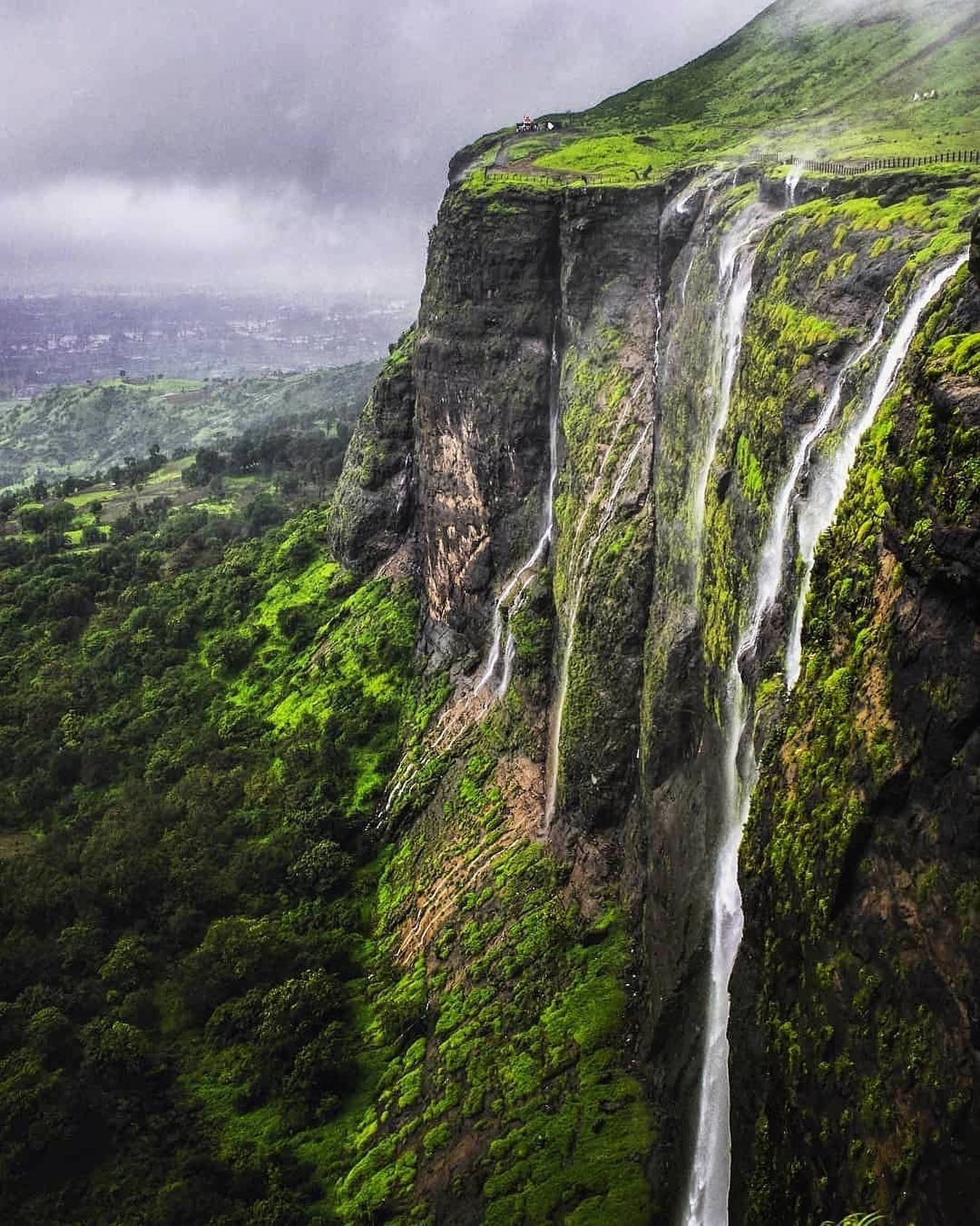
 Brahmagiri Hills
Brahmagiri Hills is a scenic mountain range known for trekking and its natural beauty.
 attraction
 Chembra Peak
Wayanad's highest peak featuring a scenic heart-shaped lake and thrilling trekking adventure through pine forests and grasslands.
 attraction
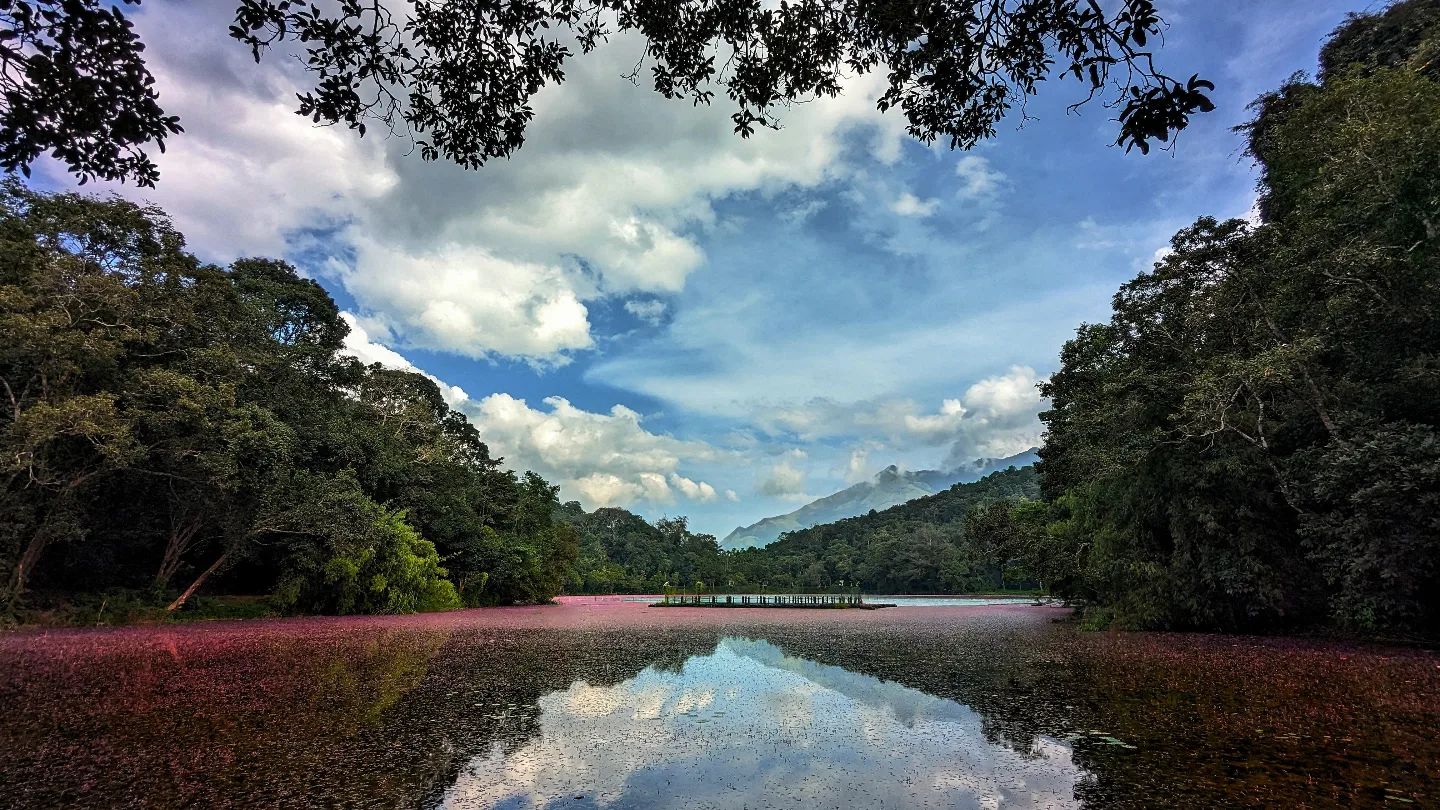
 Pookode Lake
A natural freshwater lake near Vythiri, Wayanad, known for its forest setting and visitor facilities. Confirm current hours, entry rules and boating availability before visiting.