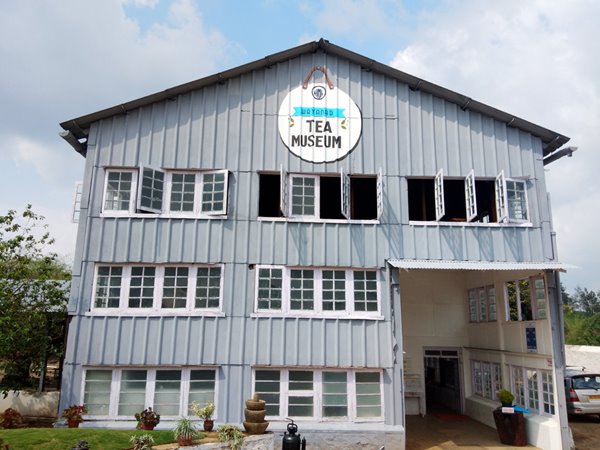
Wayanad Tea Museum
Wayanad Tea Museum showcases Kerala's rich tea heritage in a century-old colonial-era tea factory. Explore tea processing, taste premium teas, and learn about Wayanad's tea cultivation legacy.
The Wayanad Tea Museum is a heritage museum housed in a century-old wooden tea factory building constructed in 1911, located in Achooranam, Wayanad, Kerala. Operated by Harrison’s Malayalam Limited and opened in December 2024, the museum showcases three centuries of tea cultivation history through exhibits on processing machinery, historical documents, tea varieties, and interactive displays. Located 15 kilometers from Kalpetta, 25 kilometers from Meppadi, and 8 kilometers from Vythiri, it is open Monday to Saturday from 9:00 AM to 5:00 PM with entry fees of ₹100 for adults and ₹50 for children (5-12 years).
Overview & Significance
The Wayanad Tea Museum represents a groundbreaking initiative in preserving Kerala’s tea heritage while promoting experiential learning about one of the world’s most important beverages. Located in the lush tea-growing region of Wayanad, the museum combines historical preservation with educational engagement, making it an invaluable resource for tea enthusiasts, researchers, students, and cultural tourism enthusiasts. The conversion of a functional century-old tea factory into a museum demonstrates the commitment to sustainable tourism that respects both heritage and contemporary agricultural practices.
Location & Accessibility
Primary Location
The Wayanad Tea Museum is situated in Achooranam (also known as Achoor), a serene location in the heart of Wayanad’s tea-growing region. This strategic location places the museum within easy reach of the district’s tea plantations and other major attractions.
Distance & Travel Times from Key Locations
- From Kalpetta: 15 kilometers (approximately 25-30 minutes by car)
- From Meppadi: 25 kilometers (approximately 45 minutes)
- From Sulthan Bathery: 50 kilometers (approximately 1 hour)
- From Vythiri: 8 kilometers (approximately 15 minutes, closest town)
- From Mananthavady: 55 kilometers (approximately 1.5 hours)
- From Kozhikode: 70 kilometers (approximately 2 hours)
- From Kannur: 85 kilometers (approximately 2.5 hours)
Road Access & Directions
The museum is accessible via well-maintained national and state highways that connect major towns in and around Wayanad. Clear signboards direct visitors from Kalpetta and other major towns. The road conditions are excellent throughout the year, making it accessible to all types of vehicles. The location on the scenic Banasurasagar Dam road adds to the beauty of the journey.
Historical Background & Heritage
Colonial Era Origins
The Wayanad Tea Museum is housed in a remarkable architectural piece from the British colonial period. The original tea factory building was constructed in 1911 during the height of British tea plantation development in Kerala. This century-old wooden structure represents authentic colonial-era industrial architecture and has been meticulously preserved to maintain its historical integrity.
Harrison’s Malayalam Limited Legacy
The museum is operated by Harrison’s Malayalam Limited, a prestigious company with over 100 years of operation in the tea industry. The company’s 100-year legacy in tea production is documented extensively within the museum, including company records, historical photographs, and artifacts that showcase the evolution of their business and contribution to Wayanad’s tea industry.
Evolution of Tea Cultivation in Wayanad
Wayanad’s tea cultivation journey began during the British colonial era when the region’s unique climate, altitude, and soil conditions were discovered to be ideal for growing premium tea. The Western Ghats’ monsoon patterns and cool temperatures create conditions that produce high-quality tea leaves with distinctive flavor profiles. The museum chronicles how tea cultivation developed from initial experiments to becoming a major agricultural industry that shaped the region’s economy and landscape.
Architectural Significance
The three-story wooden structure of the tea factory is a prime example of colonial-era industrial architecture. The building showcases traditional wooden craftsmanship, period-specific design elements, and functional layouts designed for efficient tea processing. The preservation of this structure as a museum ensures that future generations can appreciate the architectural and historical significance of colonial-era industrial development in India.
Museum Collections & Exhibits
First Floor: Historical Documents & Boston Tea Party
The first floor houses an impressive collection of historical documents related to the famous Boston Tea Party Revolution in America—a significant historical event that influenced global tea culture. The museum explores the intersection of tea history with world history, helping visitors understand tea’s role in shaping international trade and politics. Harrison’s company records and documentation spanning 100 years provide insights into the business evolution and market dynamics of tea production.
Second Floor: Tea Processing Machinery & Equipment
The second floor showcases vintage tea processing machinery and equipment used throughout the different eras of tea production. Visitors can see traditional and semi-modern machinery that explains the mechanical processes involved in converting fresh tea leaves into dried tea ready for packaging. Detailed displays explain each step of the processing journey, from leaf withering to final drying and sorting.
Third Floor: Tea Varieties & Products
The third floor features exhibitions of various tea varieties produced in Wayanad and the broader Kerala region. Displays showcase the diversity of tea types—including black tea, green tea, white tea, and specialty infusions—along with information about their unique characteristics, flavor profiles, and production methods. The floor also exhibits value-added tea products developed by the estate and other manufacturers.
Interactive Displays & Learning Stations
Throughout the museum, interactive displays allow visitors to engage actively with the content. Hands-on stations explain different aspects of tea cultivation, processing, and tasting. Visitors can touch and examine tea leaves in various stages of processing, understand the science behind flavor development, and learn about quality assessment techniques used by professionals.
Tea Cultivation in Wayanad: Climate & Geography
Ideal Growing Conditions
Wayanad’s geographical position in the Western Ghats provides ideal conditions for premium tea cultivation. The elevation (700-2000 meters above sea level), climate patterns, and soil composition create an optimal environment for producing tea with distinctive flavor characteristics. The region’s cool temperatures during certain seasons, combined with adequate monsoon moisture, result in tea leaves with superior taste and aroma.
Monsoon Impact on Tea
The Western Ghats monsoon system significantly influences tea cultivation cycles. The monsoon brings substantial rainfall that promotes vigorous leaf growth, leading to the production of fresh, flavorful tea. Different monsoon periods produce different quality teas—first flush, second flush, and monsoon varieties—each with unique characteristics that tea connoisseurs appreciate.
Soil & Biodiversity
The region’s volcanic and laterite soils provide essential minerals that enhance tea flavor. The surrounding biodiversity, including indigenous forests and varied vegetation, contributes to the ecosystem health that supports sustainable tea agriculture.
Tea Production Process: From Leaf to Cup
Harvesting
The tea production journey begins with careful harvesting of tea leaves. Skilled workers selectively pick tender young leaves and buds—the “two leaves and a bud” harvesting method—which produce the finest quality teas. Harvesting is done at specific times of day to ensure optimal leaf quality.
Withering
Fresh-picked leaves undergo withering, where they are spread on large drying surfaces to remove excess moisture. This process reduces leaf moisture content and initiates chemical changes that develop tea flavor. Traditional withering takes 12-24 hours and is carefully monitored.
Rolling & Oxidation
Withered leaves are rolled to break cell walls and expose interior tissues to oxygen. This rolling process shapes the leaves and initiates oxidation—a crucial chemical process that develops the flavor, color, and aroma characteristics of black tea. Different rolling techniques produce different leaf shapes and tea qualities.
Drying & Sorting
The rolled leaves are dried in large machines that reduce moisture to optimal levels for storage and shipping. After drying, the tea is sorted by size and grade using mechanical sorters that separate premium leaves from lower-grade particles. This ensures consistency and quality in the final product.
Packaging & Quality Control
The dried tea is carefully packaged to preserve freshness and aroma. Quality control checks ensure that only teas meeting strict standards are packaged and sold. Different packaging options—from bulk quantities to specialty tea bags—cater to various market segments.
Tea Tasting Experience
Guided Tea Tasting Sessions
The museum offers comprehensive tea tasting experiences where visitors can sample various premium teas produced in Wayanad and the broader Kerala region. Trained staff members guide visitors through the tasting process, explaining how to properly assess tea aroma, color, and flavor.
Tea Varieties Available for Tasting
Visitors can taste diverse tea types including:
- Black Tea: The traditional variety with robust flavors
- Green Tea: Lighter, more delicate with grassy notes
- White Tea: Minimal processing, subtle and refined flavors
- Specialty Infusions: Teas blended with fruits, flowers, and spices
Tasting Methodology
Professional tea tasting follows specific protocols. Visitors learn proper methods for evaluating tea color, aroma intensity, flavor complexity, and finish. The tasting experience includes understanding how water temperature, steeping time, and leaf quantity affect the final cup quality.
Educational Component
The tasting sessions are educational experiences that help visitors develop appreciation for tea quality and variety. Staff members explain the differences between teas from different estates, harvest times, and processing methods. Visitors gain understanding of what makes premium tea distinctive and valuable.
Activities & Visitor Experiences
Guided Factory Tours
Comprehensive guided tours explain the complete tea production process. Expert guides walk visitors through the museum’s exhibits, explaining machinery, historical context, and production techniques. Tours are available in multiple languages and can be customized for different age groups and interest levels.
Interactive Learning Displays
Throughout the museum, interactive stations allow hands-on engagement with tea production knowledge. Visitors can examine tea leaves in various processing stages, understand machinery function through models and demonstrations, and engage with educational displays about tea chemistry and flavor science.
Tea Tasting & Appreciation Sessions
Structured tea tasting sessions led by trained professionals help visitors develop tea tasting skills. Participants learn to identify flavor notes, appreciate subtle differences between teas, and understand factors that influence tea quality.
Photography Opportunities
The historic building, tea displays, and scenic surroundings provide excellent photography opportunities for visitors. The colonial-era architecture and well-curated exhibits offer attractive subject matter for capturing memories.
Gift Shop & Tea Purchasing
The museum gift shop offers premium teas from the associated estates and other quality producers. Visitors can purchase specialty teas, tea blends, and tea-related products to take home as souvenirs or gifts.
Best Time to Visit
Optimal Season: October to March
The period from October to March offers the most pleasant conditions for visiting the Wayanad Tea Museum:
- Weather: Cool and comfortable temperatures (18-25°C)
- Visibility: Clear skies and excellent views of surrounding tea plantations
- Crowds: Moderate visitor numbers (busier during holidays)
- Tea Harvest: Fresh harvests and active processing during this period
Monsoon Season: June to August
While monsoon brings lush green landscapes and is beautiful photographically, it presents some challenges:
- Heavy rainfall can occasionally affect road access
- Humidity levels are high
- Processing may be reduced during peak monsoon rains
Summer: April to May
Summer months are hot and dry but still manageable for visiting. Tea processing may be less active during this period due to reduced leaf growth.
Specific Month Recommendations
- October-November: Ideal conditions, post-monsoon freshness
- December-February: Peak tourist season, coolest temperatures
- March: Pleasant weather, fewer crowds than peak season
- June-August: Avoid during heavy downpours, but beautiful landscape
Visiting Information & Practical Details
Operating Hours
- Monday to Saturday: 9:00 AM to 5:00 PM
- Sunday: Closed
- Public Holidays: Closed
- Last Entry: Typically 4:30 PM (to allow time for museum exploration)
Entry Fees
- Adults: INR 100 per person
- Children (5-12 years): INR 50 per child
- Children below 5 years: Free
- Senior Citizens: Discounts may apply (verify on-site)
- Group Visits: Special rates available for groups of 15 or more (contact in advance)
- Educational Groups: Discounted rates for school and college groups (with advance booking)
Duration of Visit
- Standard Visit: 1.5 to 2 hours
- With Detailed Exploration: 2 to 3 hours
- With Tea Tasting: Additional 30-45 minutes
Accessibility Features
- Well-maintained internal paths suitable for most visitors
- Ground floor exhibits accessible to those with mobility limitations
- Restroom facilities available
- Drinking water facilities throughout the museum
Facilities & Amenities
On-Site Facilities
- Restrooms: Clean, well-maintained toilet facilities available
- Café: Refreshment café serving tea, coffee, and light snacks
- Parking: Ample free parking space for cars and motorcycles
- Visitor Information Center: Staff available to provide information and assistance
- WiFi: Internet connectivity available in some areas
Nearby Facilities
- Multiple restaurants and lodges within 5-15 kilometers in nearby towns
- Medical facilities available in Kalpetta and Vythiri
- Shopping areas in Kalpetta for any last-minute purchases
How to Reach the Wayanad Tea Museum
From Kalpetta (15 km, 25-30 minutes)
- Head toward Vythiri on the main highway
- Follow signboards toward the tea museum or Banasurasagar Dam road
- The museum is well-marked with clear directional signboards
From Sulthan Bathery (50 km, 1 hour)
- Take the road toward Kalpetta
- Continue toward Vythiri
- Follow signboards to the tea museum
From Kozhikode (70 km, 2 hours)
- Take NH 66 toward Taliparamba
- Connect to NH 766 toward Wayanad
- Proceed to Kalpetta, then follow directions to the museum
By Public Transportation
- Regular bus services connect major towns to Vythiri and Kalpetta
- Local taxis and auto-rickshaws available from these towns to reach the museum
- Self-drive is recommended for flexible travel
By Air
- Nearest Airport: Kannur International Airport (85 km)
- Alternative: Calicut International Airport (70 km)
- Rental cars available at both airports for ground transportation
Nearby Attractions & Combined Itineraries
Within 5 km Radius
- Banasurasagar Dam: Beautiful dam with scenic surroundings and boating facilities (5 km)
- Vythiri Town: Comfortable lodges and restaurants, scenic town center (8 km)
Within 15 km Radius
- Pookode Lake: Serene freshwater lake with boating and nature walks (18 km)
- Edakkal Caves: Ancient petroglyphic caves with 1000-year-old rock carvings (20 km)
Within 30 km Radius
- Wayanad Wildlife Sanctuary: Large wildlife reserve with safari opportunities
- Lakkidi Viewpoint: Scenic viewpoint with panoramic Western Ghats vistas
- Kalpetta Town: District headquarters with shopping and dining facilities
Sample 2-Day Itinerary with Wayanad Tea Museum
Day 1:
- 9:00 AM: Arrive at Wayanad Tea Museum
- 9:30 AM - 12:00 PM: Guided museum tour and exhibition viewing
- 12:00 PM - 12:45 PM: Tea tasting session
- 1:00 PM - 2:00 PM: Lunch at museum café or nearby restaurant
- 2:30 PM - 5:00 PM: Visit Banasurasagar Dam or local area exploration
- Evening: Return to accommodation in Vythiri or Kalpetta
Day 2:
- Early Morning: Visit Pookode Lake (20 minutes away) for bird watching
- Mid-Morning: Visit Edakkal Caves (20 minutes away)
- Afternoon: Leisure time for shopping or local exploration
- Return to Tea Museum: If time permits, revisit specific exhibits
Accommodation Options Near Wayanad Tea Museum
Budget Options (Near Vythiri, 8 km away)
- Homestays: INR 800-1500 per night
- Basic guesthouses: INR 1000-2000 per night
Mid-Range Options
- Small hotels: INR 2000-3500 per night
- Eco-lodges: INR 2500-4000 per night
Premium Options
- Resorts: INR 4000-8000+ per night
- Luxury estates with tea plantation views: INR 5000-15000+ per night
Dining Options
At the Museum Café
- Tea and coffee preparations
- Light snacks and pastries
- Refreshments
In Nearby Towns
- Vythiri (8 km): Multiple restaurants serving Kerala cuisine and international food
- Kalpetta (15 km): Extensive dining options including hotels and restaurants
- Local Restaurants: Authentic Kerala meals with fish curry, avial, rice, and other traditional dishes
Essential Information for Visitors
What to Bring
- Footwear: Comfortable walking shoes for exploring the three-story building
- Clothing: Comfortable clothes; the museum can be cool inside
- Camera: For photography (still and video depending on policies)
- Documentation: ID or passport for group bookings if required
- Water Bottle: Stay hydrated during exploration
Photography & Video Policies
- Photography is generally permitted for personal use
- Commercial photography or video may require permission
- Check current policies at the information center upon arrival
Physical Requirements
- Moderate fitness required for walking through three-story building
- Stairs available; those with mobility limitations can explore ground floor exhibits
- Not strenuous; suitable for families and older visitors
Dress Code
- No specific dress code
- Comfortable, casual clothing recommended
- Avoid very formal attire for a museum dedicated to tea heritage
Educational Programs & Group Visits
School & College Programs
- Special educational packages for student groups
- Customized tours focused on agricultural science and history
- Interactive learning experiences tailored to curriculum
- Group discounts available (advance booking required)
Corporate Visits
- Team-building activities incorporating tea culture and heritage
- Corporate group packages available
- Conference facilities may be available (inquire in advance)
Guided Tour Options
- Standard English-language tours available
- Tours in Malayalam and other regional languages (on request)
- Private guide options for personalized experiences
- Specialized tea expert guides for advanced learners
Practical Tips for Visitors
- Best Time to Arrive: Mid-morning (10:00-11:00 AM) to avoid crowds
- Duration: Plan 2-3 hours for comprehensive experience including tea tasting
- Comfortable Pace: Walk through exhibits without rushing to fully appreciate content
- Ask Questions: Staff members are knowledgeable and happy to explain exhibits
- Purchase Tea: Buy specialty teas as souvenirs or gifts during shop visit
- Season: October-March offers best weather for visiting and exploring surroundings
- Combine Visits: Plan visits to nearby attractions for efficient time use
Environmental & Sustainability Notes
The Wayanad Tea Museum represents commitment to heritage preservation and sustainable agri-tourism. Visitors learn about:
- Sustainable tea cultivation practices
- Environmental conservation in tea-growing regions
- Community development through tea industry
- Preservation of traditional methods alongside modern innovation
This educational aspect makes the museum valuable for environmentally conscious travelers seeking to understand sustainable agriculture.
Explore Trip Plans
Plan Your Visit
Get help with stays, transport & itinerary for Wayanad Tea Museum
Chat on WhatsAppFree trip planning assistance
Frequently Asked Questions
What is the Wayanad Tea Museum?
The Wayanad Tea Museum is a heritage museum in a century-old colonial tea factory (built 1911) operated by Harrison’s Malayalam Limited. It showcases tea cultivation history, processing techniques, traditional machinery, and offers interactive exhibits and tea tasting experiences. Opened December 2024.
Where is the Wayanad Tea Museum located?
Located in Achooranam (Achoor) in Wayanad, Kerala. Distance from key towns: Kalpetta (15 km), Meppadi (25 km), Vythiri (8 km), Sulthan Bathery (50 km). Easily accessible on the scenic Banasurasagar Dam road.
When did the Wayanad Tea Museum open?
The Wayanad Tea Museum officially opened in December 2024. It represents a major cultural and agri-tourism initiative by Harrison’s Malayalam Limited to preserve tea heritage and promote understanding of tea production.
What are the opening hours and entry fee?
Open: Monday to Saturday, 9:00 AM to 5:00 PM. Closed on Sundays and public holidays. Entry fees: Adults INR 100, Children (5-12 years) INR 50, Children under 5 free. Group discounts available for 15+ persons.
What exhibits can I see at the Wayanad Tea Museum?
First floor: Historical documents and Boston Tea Party history. Second floor: Vintage tea processing machinery and equipment from different eras. Third floor: Tea varieties, quality examples, and specialty products. Interactive displays throughout.
Is the historic building itself a tourist attraction?
Yes, the three-story wooden tea factory building constructed in 1911 is architecturally significant. It represents authentic colonial-era industrial architecture with traditional wooden craftsmanship. The preserved structure is a prime example of early 20th-century construction.
What is included in a standard museum visit?
Standard visit includes: self-guided or guided exploration of all exhibits, understanding of tea processing machinery, viewing historical documents and photographs, learning about tea varieties, interactive display engagement. Tea tasting is optional (additional cost or included depending on package).
Are tea tasting sessions available?
Yes, the museum offers professional tea tasting sessions where trained staff guide visitors through tasting various premium teas produced in Wayanad. Sessions include learning proper tasting methodology, flavor assessment, and tea variety appreciation.
What tea varieties can I taste?
Tasting experiences include black tea (traditional robust varieties), green tea (lighter, delicate flavors), white tea (minimally processed, subtle taste), and specialty infusions with fruits and spices. All teas are premium varieties from Wayanad or quality producers.
How long should I plan to spend at the museum?
Standard visit: 1.5-2 hours for exhibits and exploration. With tea tasting: 2-3 hours. Recommended duration allows sufficient time to appreciate exhibits, read information panels, and enjoy the tea experience without rushing.
Are guided tours available?
Yes, comprehensive guided tours are available explaining tea production process, historical context, and machinery function. Tours available in English, Malayalam, and other languages on request. Private guided options available for personalized experiences.
Is the museum suitable for families and children?
Absolutely yes. The museum is family-friendly with interactive displays suitable for all ages. Educational programs tailored for different age groups. Children can learn about tea cultivation and production in engaging ways. Tea tasting optional for children.
Can I buy tea products at the museum?
Yes, the gift shop offers premium teas from Harrison’s estates and other quality producers. Visitors can purchase specialty tea blends, single-origin teas, and value-added tea products to take home as souvenirs or gifts.
What are nearby attractions I can combine with the museum visit?
Nearby: Banasurasagar Dam (5 km), Vythiri town (8 km). Within 20 km: Pookode Lake, Edakkal Caves. Multiple attractions allow for combined itineraries. See detailed itineraries in main guide.
What facilities are available at the museum?
Facilities include: restrooms, café serving tea/coffee and light snacks, free parking, visitor information center, WiFi in some areas, interactive display stations, gift shop. Water facilities throughout the building.
Is wheelchair accessibility available?
Ground floor exhibits are accessible to those with mobility limitations. Stairs connect upper floors. The building is historic with some access limitations typical of 1911-era construction. Contact in advance if specific accessibility is needed.
What is the best time to visit?
October to March offers optimal conditions: cool weather (18-25°C), clear skies, excellent visibility, lush surroundings. Peak season December-February busier. Monsoon (June-August) brings lush landscapes but heavy rains; summer (April-May) hot and dry.
How do I reach from Kalpetta (15 km)?
From Kalpetta: Head toward Vythiri on main highway, follow signboards toward tea museum or Banasurasagar Dam road. Drive time approximately 25-30 minutes. Clear directional signboards throughout route.
Can I reach the museum by public transportation?
Yes, though private vehicles are more convenient. Regular bus services connect major towns to Vythiri (closest town, 8 km). Local taxis and auto-rickshaws available from Vythiri or Kalpetta to reach the museum.
Is there accommodation near the museum?
Vythiri town (8 km) offers multiple lodging options: homestays (INR 800-1500/night), hotels (INR 2000-3500/night), eco-lodges (INR 2500-4000/night), resorts (INR 4000-8000+/night). Kalpetta (15 km) offers more options.
What dining options are available?
Museum café serves tea, coffee, snacks. Multiple restaurants in Vythiri (8 km) serving Kerala cuisine. Kalpetta (15 km) offers extensive dining including hotels and traditional Kerala restaurants.
Are educational group visits available?
Yes, special educational packages for school and college groups. Customized tours focused on agricultural science and history. Interactive learning experiences. Group discounts available. Advance booking required for groups.
Is the museum currently open to visitors?
Yes, Wayanad Tea Museum is currently open to visitors. The site has not been significantly impacted by landslides. However, check local travel advisories for road conditions before visiting.
What should I bring when visiting?
Bring: comfortable walking shoes, comfortable clothing, camera, water bottle. Optional: notebook for learning, sun protection. Avoid very formal attire. No specific dress code; casual comfortable clothing recommended.
Is photography allowed?
Photography is generally permitted for personal use. Check policies at information center for specific guidelines. Commercial photography or video may require permission.
Nearby Places to Explore
 attraction
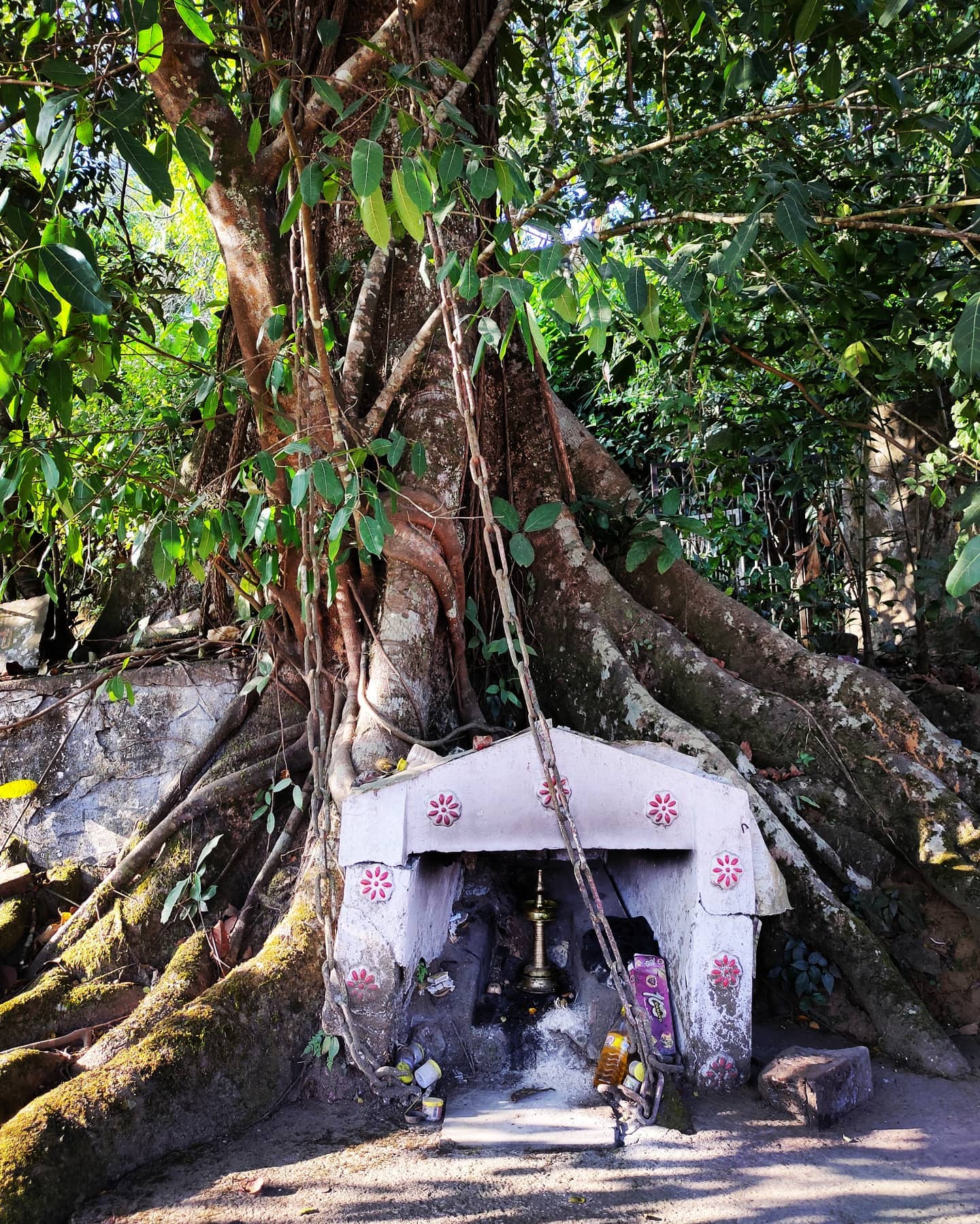
 Chain Tree
The Chain Tree is a large tree with a thick chain, a well-known local landmark.
 attraction
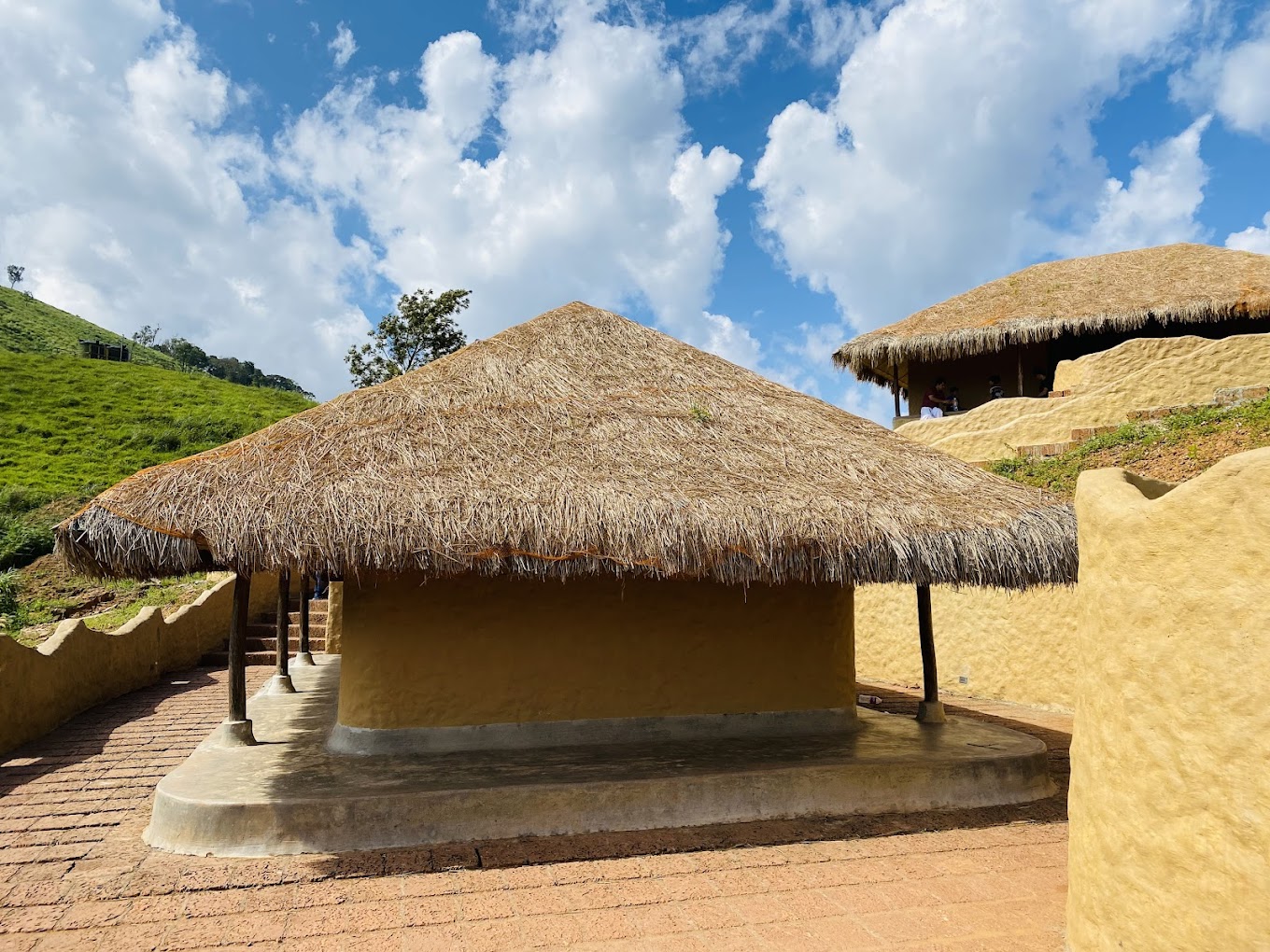
 En Ooru Tribal Heritage Village
En Ooru Tribal Heritage Village offers a unique cultural experience.
 attraction
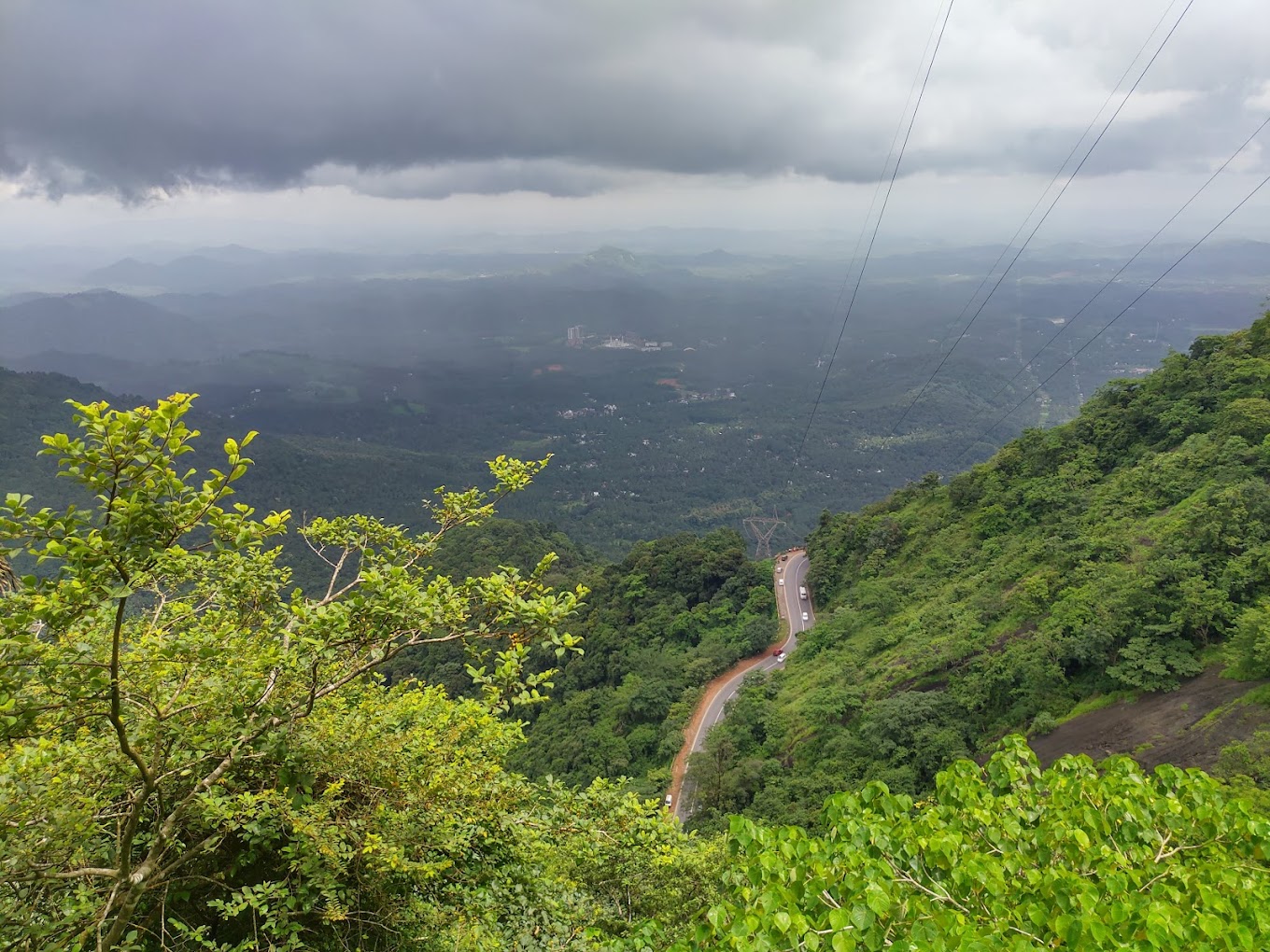
 Lakkidi Viewpoint
A hill-road viewpoint near Vythiri with views over the Thamarassery Ghat and surrounding Western Ghats. Visibility and road conditions should be checked before travel.
 attraction
 Pookode Lake
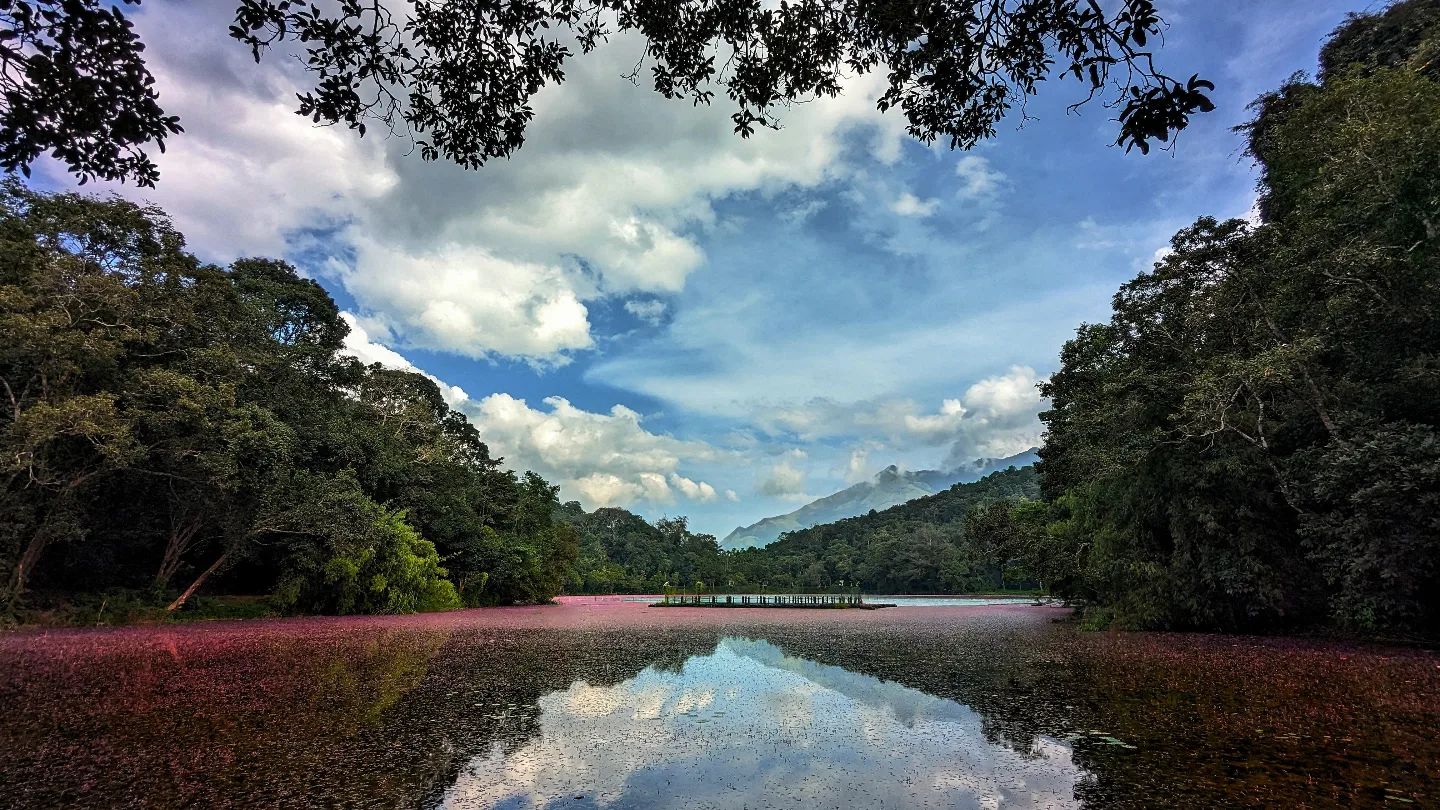
A natural freshwater lake near Vythiri, Wayanad, known for its forest setting and visitor facilities. Confirm current hours, entry rules and boating availability before visiting.
 attraction
 Teenzania Adventure Park Wayanad 2026: Ticket Price, Timings, Activities & Location
Teenzania Adventure Park Vythiri — ziplines, rope courses, ATV rides. Timings 9 AM–5:30 PM, tickets from ₹300. 15 km from Kalpetta, Wayanad.
 attraction
 Vythiri Park Wayanad: Ticket Price, Timings & 50+ Rides
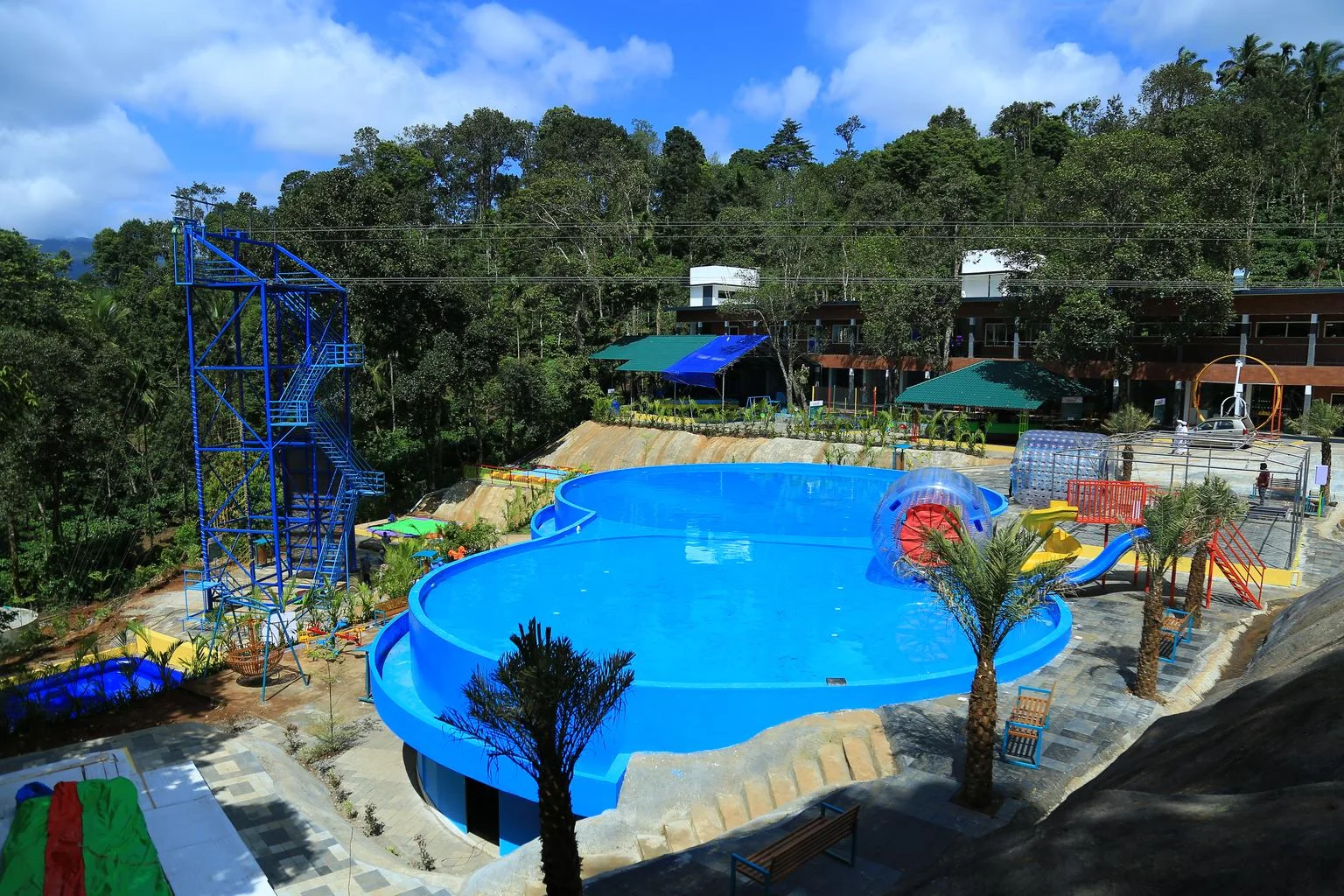
Plan a visit to Vythiri Park in Chelode, Wayanad: official hours, current ticket information, 50+ rides, facilities, directions and booking link.
 attraction
 Vythiri Village Resort
The Vythiri Village Resort is a luxurious getaway.
 attraction
 Wayanad Ultra Park: Ticket Packages, Timings & Activities
Wayanad Ultra Park in Lakkidi: official timings, current ticket packages, glass bridge, bungee jumping, zipline, swings, VR activities and booking information.