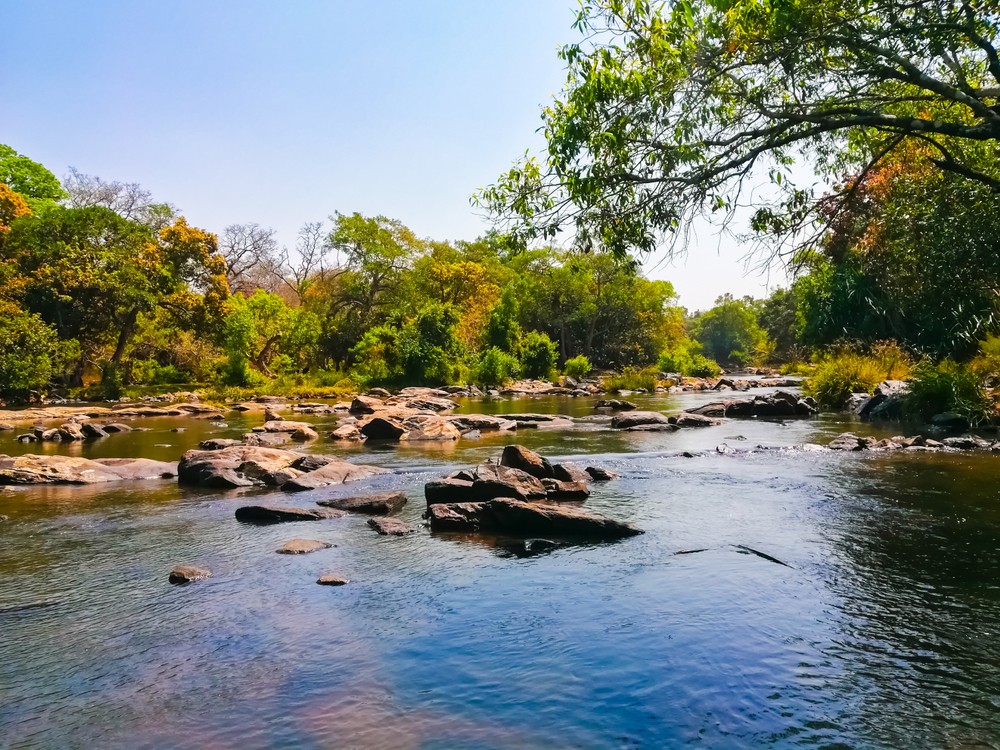
Kuruva Island
A protected river delta with rare species of birds, herbs, and orchids.
Kuruva Island, also known as Kuruvadweep, is a pristine and protected river delta located within the Kabini River in Wayanad, Kerala, comprising approximately 950 acres of uninhabited wilderness renowned for its exceptional biodiversity, rare orchid species, medicinal herbs, and significant ecological importance as a sanctuary for endemic flora and fauna.
Current Status
Kuruva Island remains a popular and significant ecological destination in the Wayanad district. Following recent natural challenges in the region, the island has undergone monitoring and assessment to ensure visitor safety and environmental preservation. It continues to operate as a protected nature sanctuary with regulated access to maintain its ecological integrity. The island’s status as a protected area demonstrates Kerala’s commitment to conservation and sustainable tourism practices.
Location and Geography
Kuruva Island is situated in the Kabini River, a tributary of the Kaveri River, approximately 17 kilometers from Mananthavady in the Wayanad district of Kerala. The island complex spans approximately 950 acres and consists of a group of small islands forming a scenic river delta. The location is characterized by its elevation of varying heights across the islands, surrounded by lush forest ecosystems and enriched by freshwater riverine systems.
The island is strategically positioned within the Western Ghats, one of the world’s biodiversity hotspots. Its proximity to several major towns makes it relatively accessible: approximately 17 km from Mananthavady, 40 km from Kalpetta, and 40 km from Sultan Bathery. Nearby landmarks include the Thirunelli Temple (approximately 35 km away) and the Banasura Sagar Dam (45 km away). The geographic setting places the island within a region of exceptional natural beauty and ecological significance.
How to Reach
From Mananthavady
Mananthavady is the closest town to Kuruva Island, situated just 17 kilometers away. Take any road toward Pulpally from Mananthavady. The parking area is well-marked near the riverbank. The journey typically takes 30 minutes by car or auto-rickshaw. Local taxis and auto-rickshaws are readily available in Mananthavady for this short trip.
From Kalpetta
Kalpetta is approximately 40 kilometers from Kuruva Island. Head toward Mananthavady from Kalpetta via NH766. The drive takes approximately one hour by private vehicle or bus. Regular bus services operate between Kalpetta and Mananthavady, connecting you to the island access point. From Mananthavady, continue to the island parking area.
From Sultan Bathery
Sultan Bathery is situated 40 kilometers from Kuruva Island. Travel toward Mananthavady through Pazhassi area. The journey typically takes 1-1.5 hours depending on traffic and road conditions. Once in Mananthavady, follow directions to the island parking area at the riverbank.
By Air and Rail
The nearest airport is Calicut International Airport (Kozhikode), approximately 100 kilometers away, requiring 2.5-3 hours of travel time. The nearest railway station is Kozhikode Railway Station, also about 100 kilometers distant. From either transport hub, arrange for taxis or buses to reach Mananthavady, then proceed to the island.
History and Ecological Significance
Kuruva Island holds immense importance in Kerala’s conservation history. The island has been recognized as a protected river delta and ecological sanctuary for several decades. Its history is intertwined with traditional knowledge systems of local communities who have recognized and respected the island’s environmental value for centuries.
The island’s ecological significance cannot be overstated. It represents one of the last undisturbed riverine ecosystems in Kerala, maintaining a delicate balance of flora and fauna that has evolved over millennia. The protected status ensures that the natural systems remain largely unaffected by human interference, allowing rare and endemic species to thrive in their natural habitat.
Local tribal communities have long revered Kuruva Island for its natural sanctity. The island features in local folklore as a place of spiritual significance and natural beauty. This cultural reverence has contributed to the preservation of the island’s ecological integrity, as communities have traditionally practiced sustainable interaction with the environment.
Bamboo Rafting Experience
The signature experience at Kuruva Island is bamboo rafting, which offers visitors an intimate connection with the river ecosystem while remaining on an elevated platform that minimizes environmental impact. This traditional method of river navigation has been adapted to provide both authentic experience and conservation.
About Bamboo Rafts
The bamboo rafts used at Kuruva Island are constructed using traditional methods, utilizing local bamboo species. These rafts are lightweight yet sturdy, designed to safely navigate the shallow waters and gentle currents of the Kabini River. Each raft typically accommodates 2-4 persons with an experienced guide, ensuring both comfort and safety during the journey.
The Rafting Journey
The rafting experience typically begins at the designated launching point near the parking area. Guides navigate the raft through narrow channels surrounded by overhanging vegetation and pristine forest. The gentle pace allows for observation of bird species, water monitors, and other wildlife. The journey covers approximately 3-4 kilometers along the river and across the island, taking 2-3 hours depending on water levels and exploration pace.
Cost and Booking
Bamboo rafting costs approximately ₹500 per raft (not per person), making it economical for groups. Families or small groups can share a single raft. Private rafting experiences are also available at higher rates for those seeking exclusive access. Booking can typically be arranged at the parking area on the day of visit, though advance reservations are recommended during peak seasons.
Safety and Guidelines
All rafting experiences are conducted with trained guides who prioritize visitor safety. Life jackets are provided, though water is generally shallow. Guides inform visitors about appropriate behavior near wildlife and ecological sensitivity. The entire experience is designed to minimize environmental impact while maximizing visitor connection with nature.
Flora
Kuruva Island harbors an exceptional diversity of plant species, many of which are rare or endemic to the Western Ghats region.
Orchids
The island is particularly renowned for its rare orchid species. Over 20 different orchid varieties have been documented on Kuruva Island, many of them rare and threatened in other regions. These delicate flowers flourish in the island’s humid microclimate, creating spectacular displays during flowering seasons. Notable species include several endemic varieties found nowhere else in the world. Visitors often spend considerable time searching for and photographing these botanical treasures.
Medicinal Herbs
Kuruva Island serves as a living repository of medicinal plants traditionally used in Ayurveda and local healing practices. These include various herbs used for treatment of common ailments, with knowledge preserved by traditional communities. The island’s undisturbed nature allows these species to thrive in abundance, contributing to ongoing ethnobotanical research and documentation.
Bamboo Groves
Extensive bamboo forests cover large portions of Kuruva Island, providing habitat for numerous species and contributing to the island’s ecological stability. These fast-growing species help maintain soil integrity along riverbanks. The bamboo groves create distinctive visual landscapes and provide material traditionally used by local communities.
Evergreen Trees
The island’s forest composition is predominantly evergreen tropical, featuring tall canopy species that maintain dense green cover throughout the year. These trees include teak, rosewood, and various palm species, creating a continuous canopy that regulates microclimate and provides shelter for wildlife. The mature growth of these trees indicates the island’s long ecological stability.
Ferns and Ground Flora
The damp forest floor supports rich growth of ferns, mosses, and ground flora that thrive in the humid conditions near the river. These lower-level plants support decomposition cycles and nutrient cycling essential for forest health. Many species are unique to wet tropical forest systems.
Fauna and Bird Species
Kuruva Island is particularly celebrated as a bird watching destination, hosting numerous resident and migratory species.
Bird Species
Over 100 bird species have been documented on and around Kuruva Island, making it a paradise for ornithologists and bird enthusiasts. Commonly observed species include various kingfishers, cormorants, herons, and egrets that feed in the river. More elusive species like the Malabar eagle-owl and various woodpecker species inhabit the forest canopy. Seasonal migrations bring additional species during specific months, creating varied birdwatching opportunities throughout the year.
Otters
Asian short-clawed otters and smooth-coated otters have been observed in the Kabini River waters surrounding Kuruva Island. These playful carnivores are increasingly rare and their presence indicates the river’s healthy fish populations and overall ecosystem quality. Sightings are more common during early morning hours.
Fish Species
The Kabini River supports diverse fish populations including various carp species, catfish, and endemic species adapted to these specific river conditions. These fish form the food base for numerous bird and otter populations, making them integral to the ecosystem’s food web.
Other Fauna
Besides the prominent species, the island ecosystem includes various reptiles like water monitors and snakes, small mammals including civets and porcupines, and numerous insect species. Each plays specific roles in maintaining ecosystem balance and contributing to overall biodiversity.
Walking Trails on the Island
Kuruva Island offers several walking routes suitable for different fitness levels and interests.
Easy Nature Walk
A gentle 2-3 kilometer trail winds through accessible areas of the island, suitable for families and casual visitors. This route covers relatively flat terrain with good visibility and passes through mixed forest zones, offering reliable wildlife viewing opportunities and orchid spotting locations.
Birding Trail
A dedicated 4-5 kilometer route focuses on habitats favored by various bird species. This trail includes elevated viewpoints and open areas where birds are commonly observed. Visiting during early morning hours dramatically increases bird sighting opportunities. The trail includes areas near water bodies where water birds congregate.
Forest Canopy Trail
A more challenging 6-7 kilometer route penetrates deeper into the island’s interior forest. This trail showcases the full diversity of forest structure, from canopy level to forest floor. It requires moderate physical fitness but rewards visitors with sightings of less common species and pristine forest views.
Photography Route
A specialized trail designed for photography enthusiasts, highlighting key locations with optimal natural lighting and scenic composition opportunities. This route includes detailed instruction on best times and positions for capturing specific flora and fauna.
Best Time to Visit
Optimal Season: September to May
The best period to visit Kuruva Island extends from September through May, when weather conditions are most favorable. September marks the beginning of the post-monsoon season when water levels begin receding to safer levels and weather becomes more stable. The months from October through February represent the peak season, offering excellent visibility, comfortable temperatures, and reliable weather patterns.
Monsoon Closure: June to August
The island remains closed to visitors during the southwest monsoon (June to August) when heavy rainfall causes the Kabini River to swell dramatically. Water levels rise significantly, making the islands inaccessible and creating dangerous conditions. This closure period is essential for environmental protection, allowing the river system to rejuvenate and wildlife to breed undisturbed.
Water Level Considerations
Rafting and island access depend entirely on river water levels. Even during the official season, occasional rains can temporarily affect access. Water levels gradually decrease from September through May, with lowest levels typically occurring in April-May. Some areas of the island become more accessible as water recedes throughout the season.
Temperature and Climate
Daytime temperatures during the season range from comfortable 22-28°C, with cooler mornings ideal for bird watching. Humidity levels are moderate, and occasional light rainfall may occur, particularly in the shoulder months. December through February represents the coolest, driest period, making it ideal for extended exploration.
Entry Fees and Timings
Entry Fee Structure
Standard entry fee is ₹80 per Indian adult. Children below 5 years are often permitted free entry. Students with valid identification may receive discounts. Foreign visitors typically pay higher fees ranging from ₹300-500. Group bookings may offer slight discounts. Exact fees are subject to change; verification at the site is advisable.
Operating Hours
The island typically operates from 9:00 AM to 4:00 PM. These timings may be adjusted seasonally or due to special circumstances. Entry gates close by 3:00 PM to allow sufficient daylight for visitors to complete their experience. Early morning visits (9:00-11:00 AM) are recommended for optimal bird watching and wildlife photography.
Additional Costs
Bamboo rafting fees of approximately ₹500 per raft are separate from entry fees. Photography passes may apply for commercial photography. Guided tour arrangements typically cost ₹200-500 depending on group size and tour duration.
Photography Tips
Kuruva Island offers exceptional photography opportunities across multiple subjects and seasons.
Best Photography Times
Early morning (6:00-9:00 AM) provides optimal golden light for landscape and wildlife photography, with most animals active during this period. Late afternoon (3:00-5:00 PM) offers different lighting angles for varied compositions. Overcast days, while less visually dramatic, provide excellent soft lighting for macro and orchid photography.
Wildlife Photography
Telephoto lenses (200-400mm) are essential for bird photography, allowing distant subjects to be captured clearly without disturbing wildlife. Patience and slow movement are crucial. Setting up near water bodies increases encounter probability. Early mornings and late evenings offer the most active wildlife periods.
Landscape and Forest Photography
Wide-angle lenses capture the grandeur of forest canopy and river vistas. Macro lenses (60-100mm) excel at orchid and fern documentation. Neutral density filters manage challenging lighting conditions in shaded forest areas. Tripods help capture stable images in low-light forest interior conditions.
Ethical Considerations
Photography should never involve disturbing nesting birds or damaging vegetation to improve sight lines. Flash photography is generally inappropriate and prohibited near sensitive species. Respect wildlife behavior and maintain minimum distances. Seasonal restrictions on photography in sensitive breeding areas must be observed.
Rules and Regulations
Kuruva Island’s conservation status requires strict adherence to visitor guidelines that protect both environment and visitors.
Plastic and Waste Management
All plastics and non-biodegradable waste must be carried out; absolutely nothing is to be left on the island. Single-use plastics are strictly prohibited. Bring reusable water bottles and containers. Minimize packaging at home before arrival. The island’s protected status makes this a legal and ethical requirement.
Food and Beverage
Outside food items can be brought but all waste must be packed out completely. Meals should be consumed only in designated areas. Food waste, even organic materials, should not be left on the island as it alters natural animal behavior and feeds. Alcohol and tobacco products are typically prohibited.
Noise Control
Loud conversations and music are discouraged to avoid disturbing wildlife. Guides may request silence during bird watching. Shutter sounds on cameras, while unavoidable, should be minimized. Respect quiet hours, particularly during early morning and evening wildlife observation periods.
Wildlife Protection
No touching, feeding, or disturbing wildlife of any kind is permitted. Maintain minimum viewing distances from all animals. Do not attempt to photograph animals in ways that cause stress or behavioral changes. Nests and breeding areas must be avoided completely. Fishing is strictly prohibited.
Vegetation Protection
Do not pick flowers, orchids, or any plant material. Stay on designated trails to prevent trampling vegetation. Do not remove rocks or disturb geological features. Do not strip bark or damage trees for any purpose.
Swimming and Water Safety
Swimming in the river is prohibited due to ecological sensitivity and safety concerns. Do not wade beyond designated areas. River currents can be stronger than they appear, particularly during water level changes.
What to Pack
Essential Items
Bring comfortable walking shoes with good grip suitable for wet terrain. Lightweight, breathable clothing in neutral colors (to avoid disturbing wildlife) is advisable. Wide-brimmed hat and sunscreen for sun protection. Insect repellent and any personal medications. First aid supplies for minor injuries.
Photography and Viewing
Binoculars (8x42 or 10x42) significantly enhance bird watching and wildlife observation. Camera equipment with appropriate lenses as per your photography interests. Neutral density filters and protective filters for lenses. Waterproof bags for protecting electronics near water.
Hydration and Nutrition
Bring adequate drinking water (2-3 liters per person) as availability is limited on the island. Energy snacks like nuts, energy bars, or fruit. The rafting experience takes 2-3 hours; plan nutrition accordingly.
Weather and Comfort
Light rain jacket or poncho during shoulder seasons. Extra pair of socks for wet terrain. Zip-lock bags for protecting valuables and phones. Toilet paper or tissue pack as facilities may be limited.
Personal Items
Government-issued ID or passport for entry verification. Binoculars for wildlife viewing. Notepad for recording bird sightings. Small tripod for stable photography without disturbing wildlife.
Accommodation Nearby
Mananthavady Town
Located just 17 kilometers away, Mananthavady offers the widest range of accommodation options. Budget guesthouses cost ₹800-1500 per night, mid-range hotels ₹1500-3500, and premium options ₹3500-7000. The town also has restaurants, shops, and services. Several eco-lodges operate in the Mananthavady area, offering nature-oriented stays.
Forest Lodges and Eco-Resorts
Several eco-resorts operate within 10-15 kilometers of Kuruva Island, offering nature immersion with comfort amenities. These typically cost ₹3000-8000 per night and often organize guided island visits. Many provide multi-day packages combining various Wayanad attractions.
homestays
Rural homestays in villages near Mananthavady and Kuruva Island offer authentic experiences with local families. Costs range from ₹1500-3000 per night, including meals. Homestays often provide local knowledge and guidance valuable for island visits.
Camping Options
Organized camping experiences near Kuruva Island are available during season, offering budget-friendly accommodation (₹500-1500 per night) with outdoor adventure experiences. Some include guided island visits and meals.
Nearby Attractions
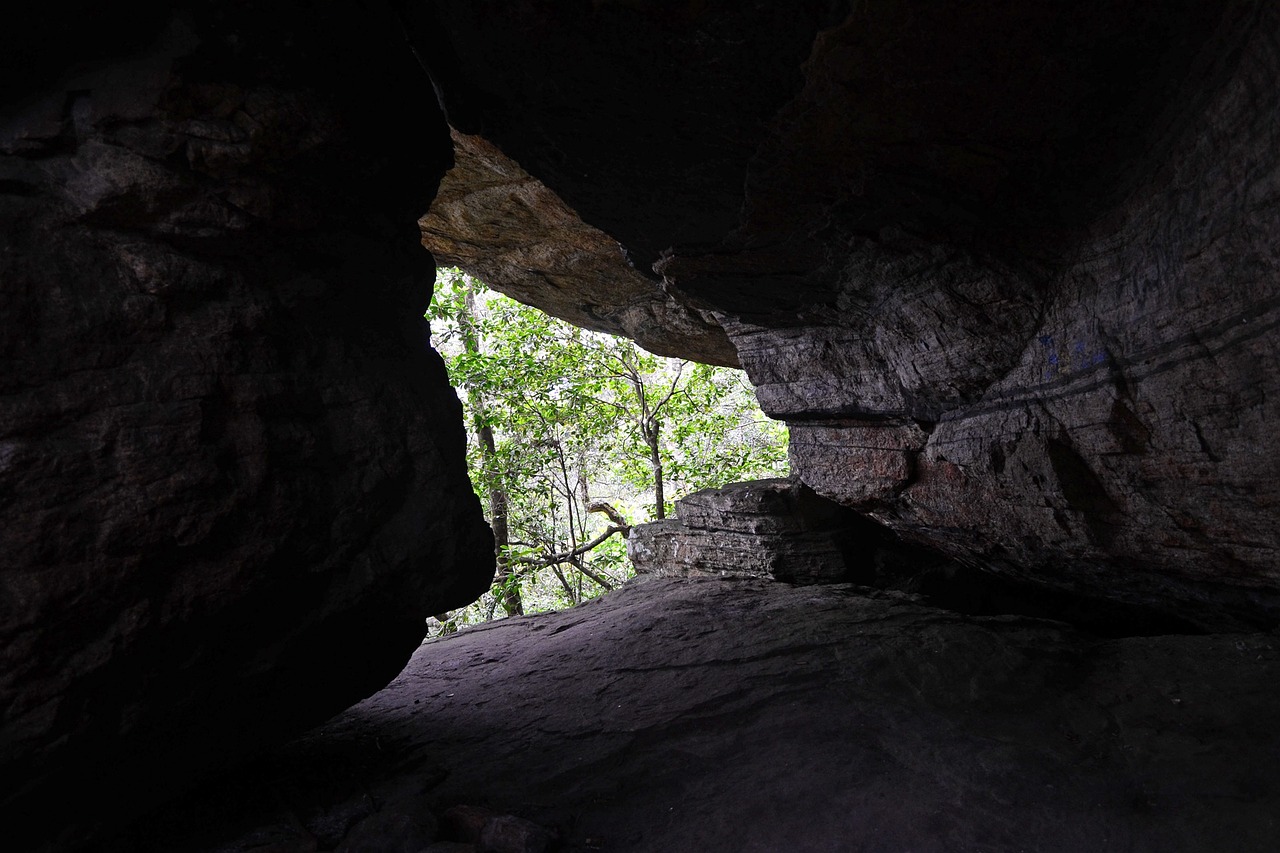
Edakkal Caves
Located approximately 50 kilometers from Kuruva Island, the Edakkal Caves are famous for ancient petroglyphs and natural formations carved into rock. A moderate trek leads to these fascinating caves with valley views and historical significance spanning thousands of years.
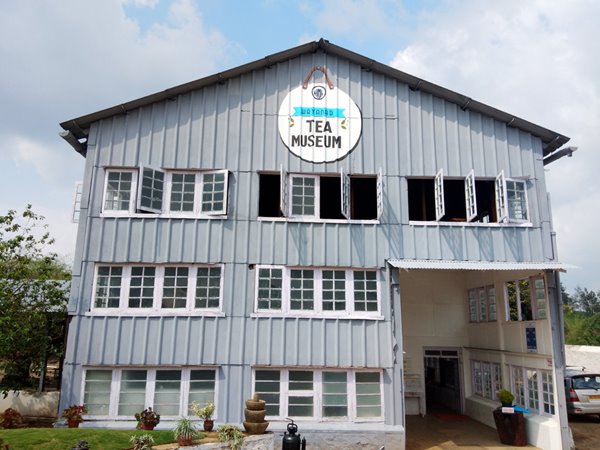
Wayanad Tea Museum
Situated around 30 kilometers away, the Wayanad Tea Museum chronicles the history and processes of tea cultivation in the region. The museum offers educational insights into Wayanad’s agricultural heritage and tea production, with scenic plantation views.
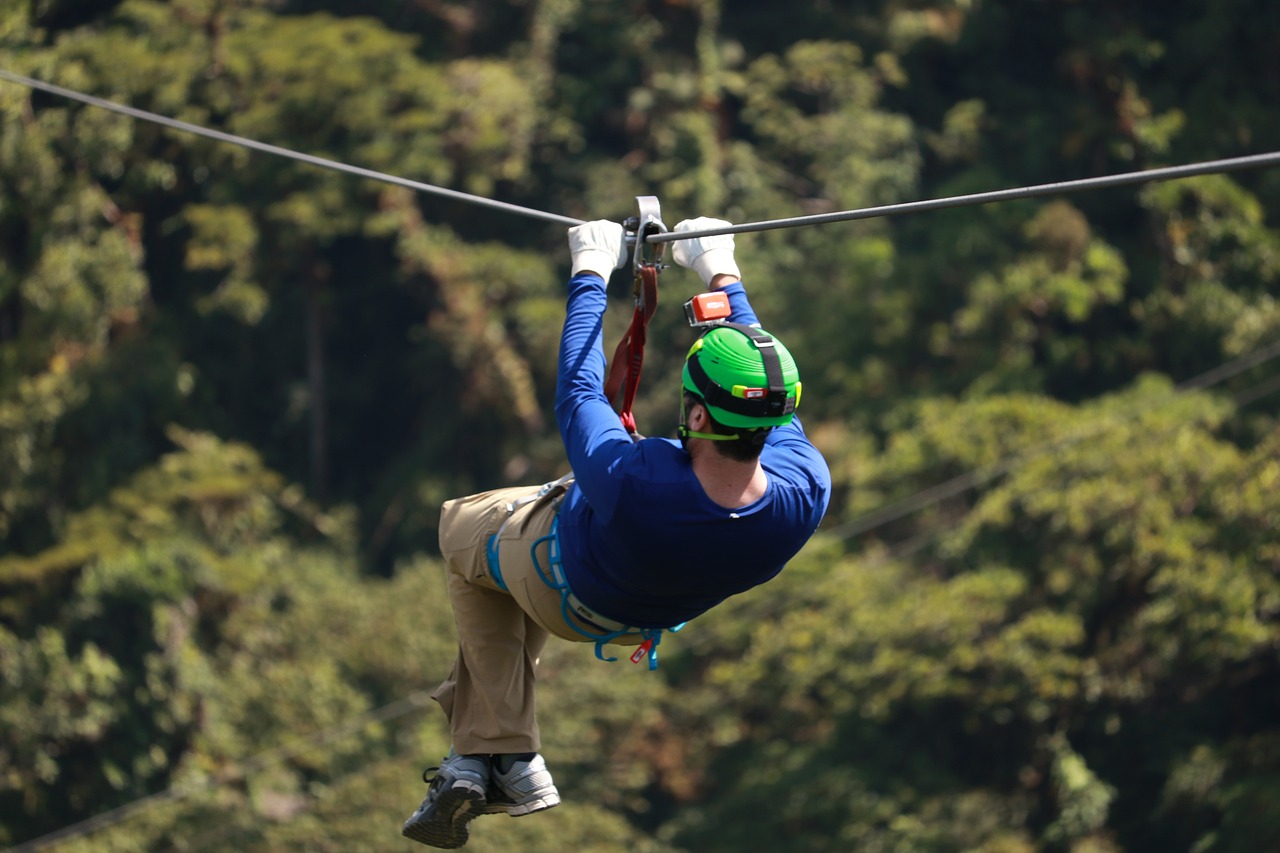
Kuruva Zipline
An adventure activity located on the opposite bank of the Kabini River, the Kuruva Zipline offers thrilling experiences above the river and forests. This modern activity provides a different perspective of the landscape for adventure-seekers.
Thirunelli Temple
The ancient Thirunelli Temple is situated approximately 35 kilometers away in the Brahmagiri Hills. This sacred temple of spiritual significance offers hiking opportunities and cultural immersion alongside natural scenic beauty.
Explore Trip Plans
Plan Your Visit
Get help with stays, transport & itinerary for Kuruva Island
Chat on WhatsAppFree trip planning assistance
Frequently Asked Questions
kuruva island in which river?
Kuruva Island, also known as Kuruvadweep, is located in the Kabini River, which is a tributary of the Kaveri River in the Wayanad district of Kerala, India. This scenic and ecologically significant island is known for its rich biodiversity and pristine natural beauty, making it a popular destination for nature enthusiasts and tourists. The Kabini River, with its clean waters and lush surroundings, contributes to the unique environment of Kuruva Island, which is home to a variety of flora and fauna.
where is kuruva island?
Kuruva Island, also known as Kuruvadweep, is located in the Wayanad district of Kerala, India. It is situated in the Kabini River, which is a tributary of the Kaveri River. Here’s a simpler breakdown of its location: State: Kerala, India District: Wayanad River: Kabini River Nearby Towns: Mananthavady and Pulpally Closest City: About 40 km from Kalpetta in Wayanad Major Nearby City: Approximately 90 km from Kozhikode Kuruva Island is known for its beautiful forests and rich wildlife. It's a popular spot for tourists who love nature and tranquility.
how to reach kuruva island?
How to Reach Kuruva Island 1. By Air Nearest Airport: Calicut (Kozhikode) International Airport Distance: About 100 km Travel Time: 2.5 to 3 hours by taxi or bus 2. By Train Nearest Station: Kozhikode Railway Station Distance: Around 95 km Travel Time: 2.5 hours by taxi or bus 3. By Road From Kalpetta: 40 km, about 1 hour by car or bus From Mananthavady: 20 km, around 30 minutes by car or bus From Mysore: 110 km, about 3 hours by car Getting to the Island Park: Park your vehicle near the river. Boat Ride: Take a short boat ride to the island. Tip: The best time to visit is from October to May.
What is Kuruva Island?
Kuruva Island (also known as Kuruvadweep) is a group of islands in the Kabini River, located in Wayanad, Kerala. It is a popular tourist spot known for its natural beauty and biodiversity.
Where is Kuruva Island located?
Kuruva Island is located in Wayanad, Kerala, in the middle of the Kabini River.
How can I reach Kuruva Island?
You can reach Kuruva Island by road from major towns like Kalpetta, Mananthavady, and Sulthan Bathery. It involves a short boat ride from the parking area to the island.
Is there an entry fee for Kuruva Island?
Yes, there is an entry fee for Kuruva Island. The fee may vary for adults, children, and foreigners. It’s recommended to check the latest rates before visiting.
What activities can I do on Kuruva Island?
Visitors can enjoy bamboo rafting, nature walks, and bird watching. The island’s serene environment makes it perfect for relaxation.
What is the contact number for Kuruva Island?
For specific inquiries, you may need to contact local tourism offices in Wayanad as Kuruva Island itself does not have a direct contact number.
Are there resorts near Kuruva Island?
Yes, there are several resorts nearby, including Kuruva Island Resort and Spa, which offers luxury accommodations and scenic views.
How far is Kuruva Island from major tourist places in Wayanad?
Sulthan Bathery to Kuruva Island: Approximately 40 km Kalpetta to Kuruva Island: About 40 km Mananthavady to Kuruva Island: Around 20 km Edakkal Caves to Kuruva Island: Roughly 50 km
What is the distance between Kuruva Island and Banasura Sagar Dam?
Kuruva Island is approximately 45 km from Banasura Sagar Dam.
Is it safe to visit Kuruva Island?
Yes, Kuruva Island is generally safe for tourists, but always follow local guidelines and respect nature.
Can I book tickets for Kuruva Island online?
You may need to check specific tourism websites for Kuruva Island ticket booking as it may not always be available online.
Is Kuruva Island currently open to visitors?
Kuruva Island is currently closed to visitors due to the landslide issues affecting the Wayanad region. The closure is a precautionary measure to ensure visitor safety and manage any potential risks associated with the landslides.
When is Kuruva Island expected to reopen?
The reopening date for Kuruva Island has not yet been determined. The situation is being closely monitored, and updates will be provided once it is deemed safe to reopen. For the latest information, please check local news sources or contact local authorities.
What led to the closure of Kuruva Island?
The closure of Kuruva Island is due to recent landslides in the Wayanad area, which have affected the accessibility and safety of the island. The decision to close the site is to prevent accidents and address the consequences of these natural events.
Are there other attractions or activities to enjoy in Wayanad while Kuruva Island is closed?
Yes, there are several other attractions and activities in Wayanad that you can explore. Consider visiting places like Edakkal Caves, Pookode Lake, or the scenic viewpoints and trails in Wayanad Wildlife Sanctuary. Make sure to check the current status of these sites and local travel advisories before planning your visit.
Can I get a refund for any bookings or fees related to Kuruva Island?
For information on refunds or rescheduling related to Kuruva Island, please contact the relevant service providers or tour operators. They will assist you with refund requests or provide alternative arrangements if needed.
How can I stay updated on the status of Kuruva Island?
To stay informed about Kuruva Island, monitor local news, visit official websites, or follow social media channels for updates. You may also sign up for notifications or alerts, if available, to receive the latest information about the island and its accessibility
Nearby Places to Explore
 attraction
 Kuruva Zipline
Kuruva Zipline is one of the best zipline spots in Wayanad.
 attraction
 Wayanad Tea Museum
Wayanad Tea Museum showcases Kerala's rich tea heritage in a century-old colonial-era tea factory. Explore tea processing, taste premium teas, and learn about Wayanad's tea cultivation legacy.
 attraction
 Edakkal Caves
Ancient caves with prehistoric petroglyphs, offering a glimpse into human civilization from the Neolithic age.