
Muthanga Wildlife Sanctuary
A natural surrounded by evergreen forests and Western Ghats mountains.
Muthanga Wildlife Sanctuary is a protected wildlife reserve in Wayanad district, Kerala, situated within the larger Wayanad Wildlife Sanctuary and forming part of the Nilgiri Biosphere Reserve, covering approximately 344 square kilometres and hosting diverse megafauna including Asian elephants, Bengal tigers, and Nilgiri leopards within pristine evergreen and deciduous forest ecosystems.
Current Status
Muthanga Wildlife Sanctuary is currently closed to visitors due to landslide risks and geological instability affecting the Wayanad region. The sanctuary administration has implemented precautionary closures to protect visitor safety and allow for assessment of conditions. The road access and internal pathways have been affected by recent natural events. Before planning a visit, it is essential to contact the sanctuary office or local tourism authorities for updates on reopening dates and current accessibility. The sanctuary is expected to reopen once all safety assessments have been completed and conditions are deemed suitable for public access. Check official Kerala Tourism and Wildlife Department websites for the latest information.
Location and Geography
Muthanga Wildlife Sanctuary is located in Sultan Bathery taluk of Wayanad district, at approximately 11.65°N latitude and 76.21°E longitude. The sanctuary spreads across the border region between Kerala and Karnataka, with portions extending into neighboring Tamil Nadu. It forms the southern segment of the larger Wayanad Wildlife Sanctuary, which encompasses over 700 square kilometres.
Proximity to Major Towns:
- 18 kilometres from Sultan Bathery (nearest town)
- 43 kilometres from Kalpetta (district headquarters)
- 60 kilometres from Kozhikode
- 120 kilometres from Bangalore, Karnataka
The sanctuary sits at elevations ranging from 800 to 2,000 metres above sea level, creating diverse ecological zones. The terrain is characterized by undulating hills, deep valleys, and perennial water sources including rivers and streams that originate from the Western Ghats. The landscape transitions from dense evergreen forest in wetter areas to deciduous forest in drier zones.
Historical Background
Establishment: Muthanga Wildlife Sanctuary was officially established in 1973 under the Wildlife (Protection) Act, 1972. It was created as a dedicated reserve to conserve the declining population of megafauna, particularly Asian elephants, in the Western Ghats region.
Conservation Designations:
- Part of the Nilgiri Biosphere Reserve (designated by UNESCO in 1986)
- Project Tiger Reserve (as a tiger habitat extension)
- Project Elephant Reserve (designated to protect elephant corridors and populations)
Conservation Efforts: Since its establishment, the sanctuary has implemented various conservation programs focusing on habitat protection, wildlife monitoring, and community engagement. The sanctuary’s boundaries were expanded and refined over the decades to create effective wildlife corridors connecting to adjacent protected areas in Karnataka and Tamil Nadu, forming a continuous conservation landscape across state boundaries.
Archaeological Significance: The region around Muthanga contains historical sites including ancient settlements and religious sites that reflect its cultural heritage beyond its ecological value.
Cultural Importance
Muthanga Wildlife Sanctuary holds profound cultural significance for indigenous tribal communities who have inhabited the Western Ghats for centuries. These communities, including the Paniya, Kurichiya, and Adiya peoples, have maintained traditional ecological knowledge systems that emphasize sustainable coexistence with wildlife.
Traditional Conservation Practices: The local tribal communities have traditionally practiced sustainable harvesting of forest resources and maintained cultural practices that support biodiversity conservation. This indigenous knowledge complements modern scientific wildlife management approaches.
Sacred Sites: Within and near the sanctuary, several sacred groves (locally called Thekkumthara) are recognized by tribal communities as spiritually significant locations. These sacred groves often correspond with ecologically sensitive areas and have protected biodiversity through cultural practices.
Community Involvement: Modern sanctuary management incorporates local community participation in conservation activities, employing local people as forest guards and guides, thus creating economic benefits while strengthening conservation outcomes.
Safari Details
Jeep Safari Timings:
- Morning Safari: 7:00 AM – 10:00 AM (3 hours)
- Evening Safari: 3:00 PM – 5:00 PM (2 hours)
Safari Duration and Coverage: Morning safaris cover approximately 20-30 kilometres of designated routes through various habitat types, offering the best opportunity for wildlife spotting as animals are most active during early morning hours. Evening safaris provide a shorter exposure but may offer good viewing opportunities as wildlife becomes active again in late afternoon.
Safari Capacity and Booking:
- Safaris operate in open-top jeeps accommodating 4-6 passengers
- Professional wildlife guides accompany every safari
- Advance booking is strongly recommended, particularly during peak season
- Bookings can be made at the sanctuary entrance or through tour operators in Sultan Bathery
Cost Structure:
- Entry fee: ₹110 per person
- Jeep hire: ₹1,200-1,500 per jeep (for entire safari duration)
- Guide fee: ₹300-500 per guide
- Photography permit: Additional charges may apply for commercial photography
What to Expect: Safari experiences vary based on season, weather, and animal movements. A successful safari may result in elephant sightings, which are relatively common as the sanctuary provides important habitat for elephant herds. Tiger sightings are less frequent but possible. Birdwatching opportunities are excellent throughout the day, with numerous species visible even if large mammals are not encountered.
Wildlife
Large Mammals:
Asian Elephants (Panthera tigris) - The sanctuary supports one of the significant elephant populations in southern India. Small herds ranging from 5-30 individuals are regularly observed. These are generally habituated to human presence in designated areas and represent an important population for elephant conservation.
Bengal Tigers - Though elusive and difficult to observe directly, tigers inhabit the sanctuary as an extension of the Project Tiger reserve. Indirect evidence of tiger presence includes scat, scratch marks on trees, and pugmarks. Tigers typically remain in remote areas and are nocturnal, making sightings rare but thrilling when they occur.
Nilgiri Leopards - A distinct subspecies of leopard adapted to montane environments. These solitary, nocturnal predators inhabit the sanctuary but are rarely observed. Evidence of their presence appears in the form of kills and marking on trees.
Sambar Deer - Large, solitary or small group deer species commonly observed throughout the sanctuary. Males are recognizable by their large, branched antlers. They are often observed at water sources during dry season.
Spotted Deer (Axis Deer) - More gregarious than sambar, spotted deer are frequently seen in grassland and forest edge habitats. Their bright reddish-brown coat with white spots makes them visually distinctive.
Nilgiri Wild Boar (Gaur/Indian Bison) - The largest wild bovine species found in the sanctuary, weighing up to 900 kilograms. These powerful, stocky animals are generally inoffensive towards humans but should be observed from a distance and given space to retreat.
Mouse Deer (Chevrotain) - Small, shy, and rarely observed, these mouse-sized ungulates inhabit the forest floor and emerge primarily at night.
Monkeys and Primates:
- Nilgiri Langurs - Dark grey primates observed in troops moving through the canopy
- Hanuman Langurs - Common in more open forest areas and around human settlements
- Bonnet Macaques - Smaller primates adapting well to varied habitats
Medium Mammals:
- Indian porcupine
- Pangolin
- Civet species
- Monitor lizards
- Various rodent and small carnivore species
Reptiles: The sanctuary hosts diverse reptilian fauna including:
- King cobra (highly venomous)
- Various pit viper species
- Non-venomous snakes including rat snakes and whip snakes
- Monitor lizards
- Freshwater turtles and terrapins
Amphibians: Numerous endemic frog species, particularly active during monsoon season when their calls fill the forest soundscape.
Bird Species
Muthanga Wildlife Sanctuary is recognized as an Important Bird Area (IBA) with over 250 bird species recorded. Notable species include:
Large Birds:
- Malabar grey hornbill - Distinctive with large casque on beak
- Black woodpecker - Rarely observed arboreal specialist
- Various eagle species (crested serpent eagle, changeable hawk eagle)
- Parrots (emerald-fronted parakeet, plum-headed parakeet)
- Peafowl (Indian peafowl/peacock)
Forest Birds:
- Sunbirds in various species
- Flycatchers (numerous small species)
- Babblers
- Drongos
- Cuckoos (including resident and migratory species)
Water Birds:
- Kingfishers (multiple species)
- Herons and egrets
- Ibises
- Cormorants (near water bodies)
Best Seasons: October to March provides optimal birdwatching opportunities with both resident and migratory species present.
Flora
Forest Types: The sanctuary encompasses multiple forest types supporting varied flora:
Evergreen Forests: Found at higher elevations and in areas receiving higher rainfall, these dense forests contain:
- Shade trees including wild mango, teak, rosewood, and Artocarpus species
- Abundant palms and cycads in the understory
- Dense herbaceous and fern layers
- Epiphytic orchids and bromeliads
Deciduous Forests: At lower elevations and in drier areas:
- Teak plantations (historical and ongoing)
- Rosewood and other timber species
- Seasonal leaf fall creating variations in canopy density
- Grassland understory in many areas
Specific Flora Notable Species:
- Teak (commercially important, planted extensively)
- Rosewood (threatened species, protected)
- Bamboo (multiple species, important to local communities and wildlife)
- Wild cardamom (endemic species)
- Various medicinal plants recognized in Ayurvedic medicine
- Orchid species (some endemic to Western Ghats)
- Ferns and fern allies (particularly in wet areas)
Seasonal Variations: The flora undergoes significant seasonal changes, with deciduous trees shedding leaves during dry season (March-May) and regenerating with monsoon onset. Flowering times vary by species, with peak flowering occurring during different seasons from November through March.
Best Time to Visit
October to March (Peak Season): This is the optimal period for visiting Muthanga Wildlife Sanctuary. Characteristics of this season include:
- Moderate temperatures (18-28°C)
- Low rainfall and clear visibility
- Maximum wildlife activity as animals concentrate around water sources
- Green but not overly wet forest conditions
- All safari routes typically accessible and operational
- Pleasant weather for trekking and nature walks
- Migratory bird populations augment resident species diversity
Peak Months: November and December represent the best time within this season, with ideal weather and high wildlife activity. January through March continue to offer good conditions, though temperatures rise progressively. Vegetation begins changing in March as dry season advances.
April to June (Summer/Dry Season): While vegetation becomes dry and some animals may be difficult to find, this period offers:
- Very clear visibility and excellent photography conditions
- Wildlife concentrates around remaining water sources
- Challenging conditions for visitors due to heat
- Lower tourist numbers creating a quieter experience
July to September (Monsoon): The sanctuary experiences heavy rainfall and wet conditions:
- Lush green landscape and vibrant flora
- Challenging safari conditions due to muddy roads
- Wildlife more dispersed with abundant water availability
- Some safari routes may become inaccessible
- Leech activity is high
- Best period for birdwatching enthusiasts due to resident and migratory species
- Fewer tourists, but less comfortable conditions
Entry Fees and Timings
Operating Hours:
- Morning Safaris: 7:00 AM – 10:00 AM (last entry 6:45 AM)
- Evening Safaris: 3:00 PM – 5:00 PM (last entry 2:45 PM)
- Sanctuary closed on national holidays and during extreme weather conditions
- All safaris operate daily when the sanctuary is open (when not closed for landslide or safety reasons)
Fee Structure:
- Indian Visitors: ₹110 per person (entry fee)
- Foreign Visitors: ₹500 per person (entry fee)
- Child Entry (up to 12 years): ₹50 per child
- Still Photography: ₹150 per camera
- Video Camera/Professional Equipment: ₹500
- Jeep Rental: ₹1,200-1,500 per jeep for full safari duration
- Guide Fee: ₹300-500 per guide per safari
Booking and Advance Registration:
- Advance booking highly recommended, especially during peak season
- Bookings can be made at sanctuary entrance, through tourism offices, or authorized tour operators
- Group bookings (10+ people) often qualify for slight discounts
- Cancellation policies vary; confirm before booking
Group Visits: Schools, organized groups, and institutional visits can arrange special rates and timing. Contact sanctuary administration directly for group booking terms.
Photography and Equipment Tips
Camera Recommendations:
- DSLR or mirrorless cameras with telephoto lenses (200-400mm) ideal for wildlife photography
- Compact cameras and smartphones acceptable for general purpose documentation
- Binoculars (8x42 or 10x42 magnification) valuable for bird identification and wildlife spotting
Shutter Speed and Aperture:
- Use fast shutter speeds (1/500s or faster) for moving animals
- Higher ISO (400-1600) acceptable in low light conditions of dense forest
- Aperture range of f/5.6-f/8 ensures adequate depth of field for wildlife subjects
Lens Recommendations:
- Telephoto zoom lenses (100-400mm) provide versatility for varying subject distances
- Wide-angle lenses (24-70mm) capture landscape and habitat context
- Macro capabilities useful for insects, flowers, and smaller subjects
Practical Tips:
- Use monopods or bean bags for camera stabilization in moving jeeps
- Polarizing filters reduce reflections from wet vegetation and water bodies
- Neutral density filters not typically necessary given forest shade conditions
- Spare batteries essential as power sources are limited
- Memory cards and backup storage critical for extended visits
Ethical Photography:
- Maintain respectful distance from wildlife
- Never use flash photography of animals (except in emergency situations)
- Follow guide instructions regarding photography ethics and wildlife welfare
- Support wildlife through responsible, non-intrusive documentation
Rules and Regulations
Visitor Code of Conduct:
- Remain seated in vehicles except at designated stops
- Follow guide instructions without exception
- Maintain silence during wildlife observation (loud talking disturbs animals)
- No honking or loud noises from vehicles
- Smoking strictly prohibited within sanctuary
- Do not litter under any circumstances (carry out all waste)
Wildlife Interaction:
- Do not feed wild animals under any circumstances
- Do not attempt to touch or chase wildlife
- Maintain minimum 50-metre distance from elephants
- Maintain minimum 100-metre distance from tigers (if encountered)
- Do not make sudden loud noises or movements
- Report aggressive wildlife behavior immediately to guides
Vehicle and Safety Rules:
- Stay within vehicles except at designated designated stops
- Do not throw objects at or towards animals
- Remain seated while vehicles are in motion
- Adhere to marked safari routes only
- Do not venture off-road
- Report vehicle problems to guide immediately
Environmental Protection:
- Do not pick flowers, plants, or disturb vegetation
- Do not collect insects, stones, or natural objects
- Do not pollute water sources
- Minimize use of soaps and detergents near water
- Do not attempt to rescue injured animals (report to authorities)
Photography Regulations:
- Photography permits obtained at entrance
- Commercial photography may require special permissions
- Do not use excessive flash photography
- Respect other visitors’ viewing opportunities
Firearms and Weapons:
- No weapons or firearms permitted inside sanctuary
- Hunting strictly prohibited
Compliance: Violation of sanctuary rules may result in:
- Fine up to ₹500 for minor violations
- Higher penalties for serious infractions
- Expulsion from sanctuary
- Confiscation of photography equipment in cases of rule violation
What to Pack
Essential Clothing:
- Lightweight, earth-toned long pants (minimize insect bites and sun)
- Long-sleeved shirt (sun protection and insect prevention)
- Comfortable, closed-toe hiking boots with good grip
- Hat or cap with wide brim
- Light jacket or sweater (mornings and evenings are cool)
- Socks (to prevent leech entry)
Accessories:
- Sunglasses (UV protection important at higher elevation)
- Binoculars for wildlife observation (8x42 or 10x42 magnification)
- Camera and telephoto lens
- Water bottles (at least 2 litres capacity)
- Insect repellent (DEET-based recommended)
- Sunscreen (SPF 30+, reapply frequently)
- Hat for sun protection
Personal Care Items:
- Personal medications and inhalers (if needed)
- Basic first aid kit (bandages, antiseptic, pain reliever)
- Tissues and handkerchief
- Personal hygiene products
Practical Items:
- Daypack (20-30 litres capacity) for carrying items
- Waterproof bag for electronics in case of rain
- Plastic bags for waste
- Notebook and pen for wildlife observation notes
- Guide book or field guide for bird and mammal identification
- Headlamp or flashlight (for early morning safaris)
Optional Items:
- Lightweight binoculars for spotting
- Field glasses for detailed observation
- Notebook for recording observations
- Audio recording device for bird calls (if interested in ornithology)
Accommodation Nearby
In Sultan Bathery (18 km away): Sultan Bathery offers a range of accommodation options suitable for wildlife sanctuary visitors.
Budget Accommodations (₹600-1,500 per night):
- Small hotels and guesthouses with basic amenities
- Good value for budget-conscious travelers
- Walking distance to market and food options
Mid-Range Hotels (₹1,500-3,500 per night):
- Better amenities including in-house restaurants
- Some rooms with views
- Better service quality
Resorts and Homestays (₹3,000-8,000+ per night):
- Plantation stays offering immersive nature experience
- Better comfort and facilities
- Often include guides and organized activities
In Kalpetta (43 km away): The district headquarters offers more accommodation variety and better tourist amenities, though further from the sanctuary.
Budget Hotels: ₹800-2,000 per night Mid-Range Hotels: ₹2,000-5,000 per night Premium Resorts: ₹5,000-15,000+ per night
Scenic Plantation Stays: Several properties within 20-30 kilometres of Muthanga offer stays on working spice and tea plantations, combining wildlife experiences with agricultural tourism.
Advance Booking Recommended: Accommodation fills quickly during peak season (November-December). Book at least 2-4 weeks in advance for these months.
Nearby Attractions
Muthanga Wildlife Sanctuary can be combined with other Wayanad attractions for a comprehensive regional tour:
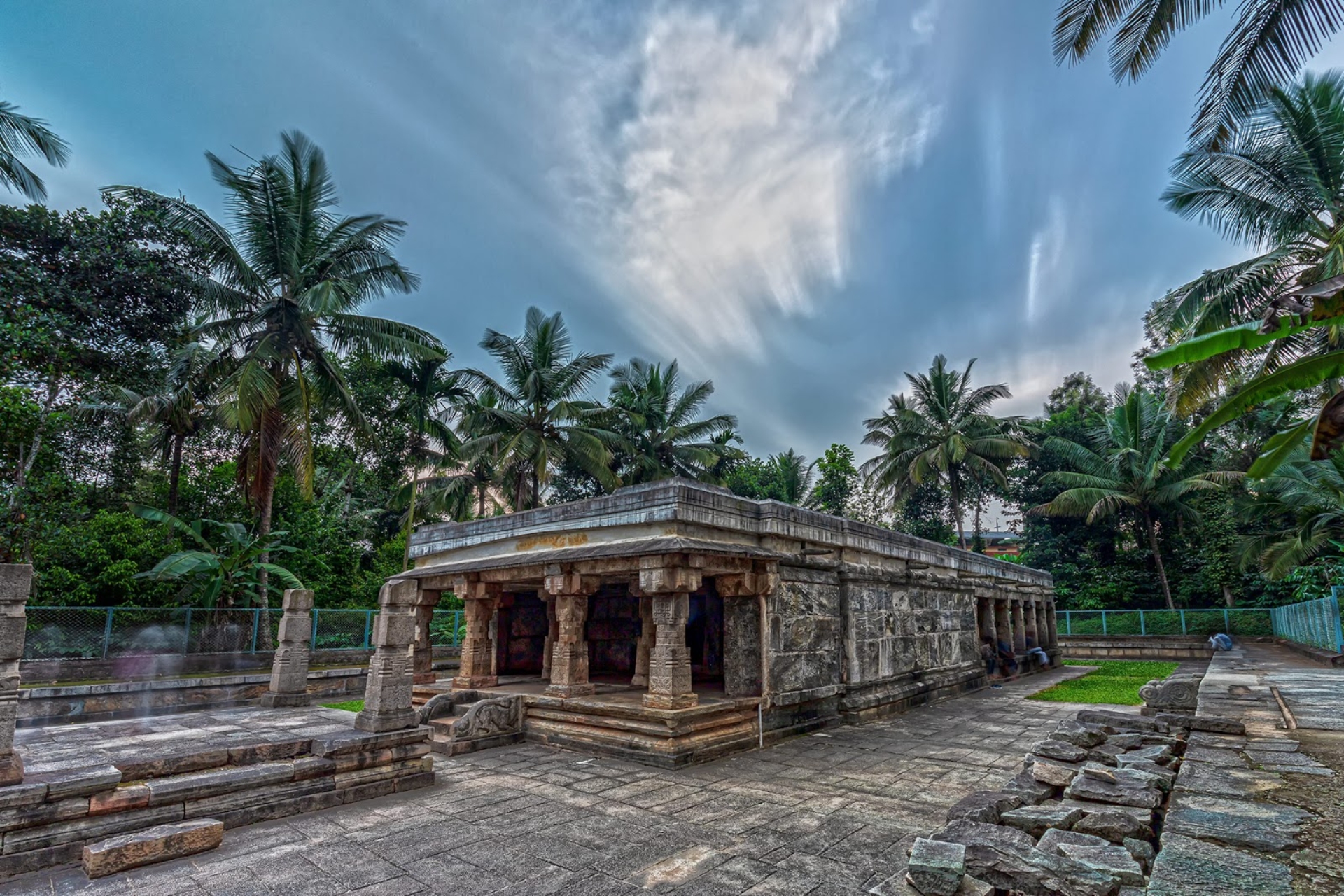
Jain Temple, Wayanad - Located approximately 25 kilometres from Muthanga, this ancient temple is an important pilgrimage site with architectural significance and spiritual value. The temple’s hilltop location provides panoramic views of the surrounding landscape.
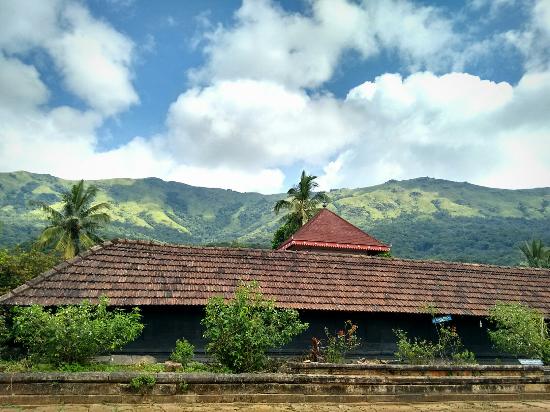
Thirunelli Temple - Situated about 30 kilometres away, this ancient Hindu temple dedicated to Lord Mahavishnu is a significant religious site with historical importance dating back centuries. The temple is set in a scenic location with natural surroundings.
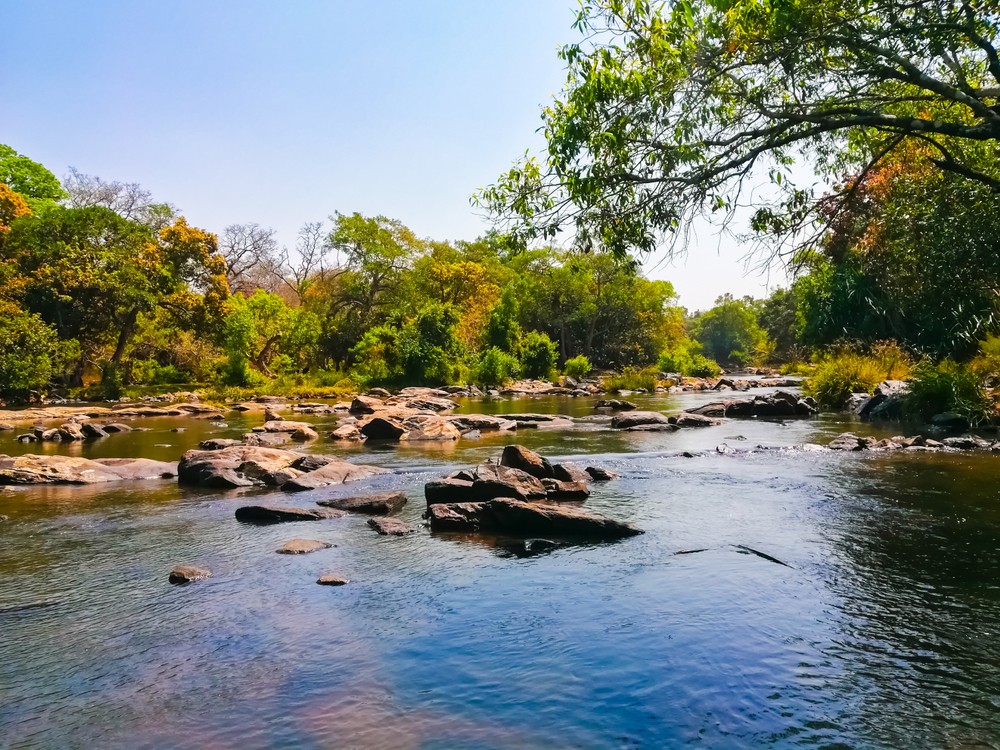
Kuruva Island - Approximately 15 kilometres from Muthanga, this river island offers trekking opportunities through bamboo forests and stunning Kabini River views. It provides a different landscape experience complementary to the sanctuary.
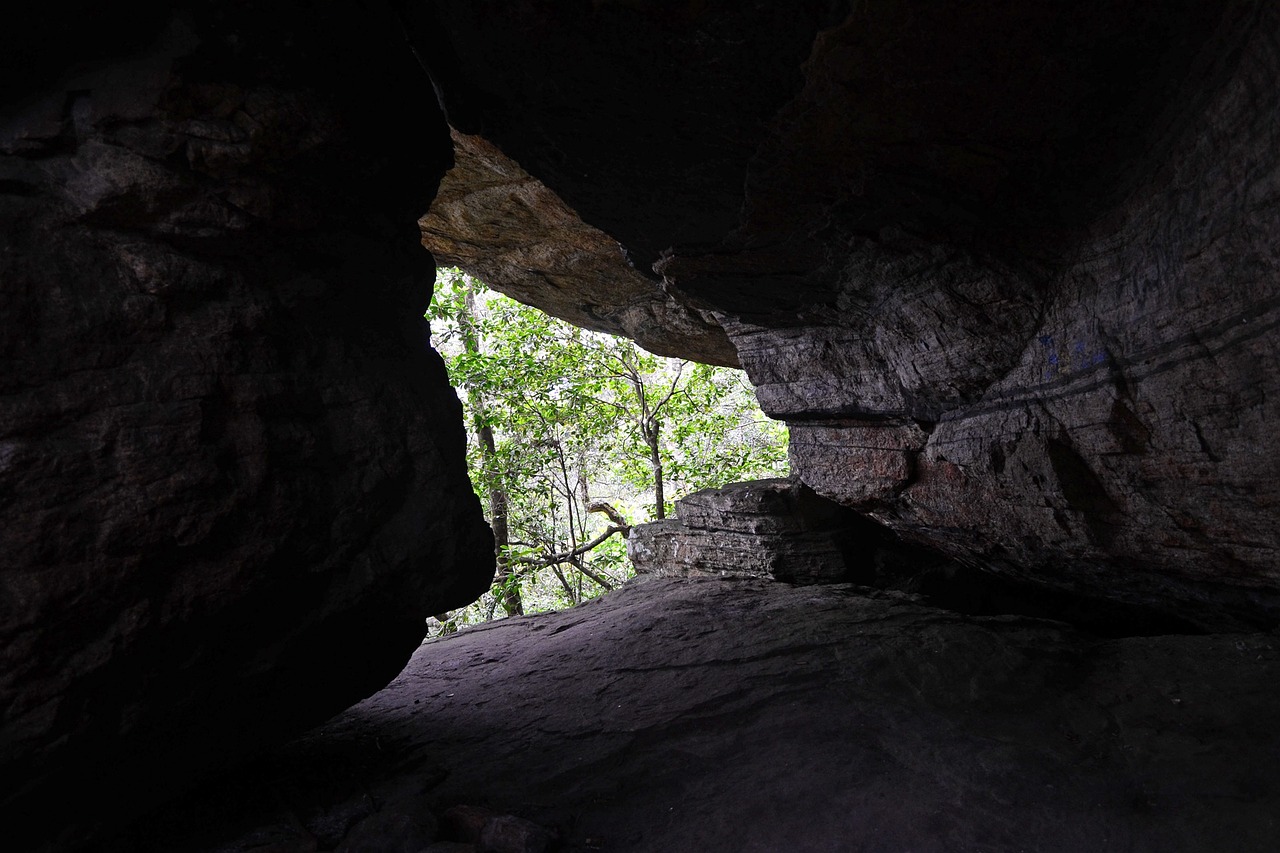
Edakkal Caves - Located about 35 kilometres away near Kalpetta, these mysterious caves feature ancient petroglyphic art and offer cultural and historical interest alongside adventure.
Visitor Tips and Recommendations
Optimal Visit Duration: A minimum of 2-3 days allows one morning and one evening safari with accommodation overnight, providing comprehensive wildlife viewing opportunities.
Guide Hiring: Professional guides enhance the experience significantly through their wildlife identification knowledge and storytelling about sanctuary ecology and conservation efforts. Guides can be hired at the sanctuary entrance.
Photography Ethics: Responsible wildlife photography respects animal welfare and follows sanctuary guidelines. Avoid disturbing animals for photographs and maintain recommended distances.
Weather Preparation: Afternoon showers are common even during dry season. Light rain jacket or waterproof covering for camera bags recommended.
Accessibility: The safari experience requires reasonable physical fitness to endure 2-3 hour jeep rides on rough terrain. Some visitors with back problems may find extended safaris uncomfortable.
Children: Children 5+ years can generally enjoy safaris. Younger children may find the duration and terrain challenging. Bring extra snacks and water for children.
Sustainable Tourism: Support conservation by using authorized guides and operators, respecting all sanctuary rules, and avoiding the purchase of wildlife products or souvenirs made from animal parts.
Birdwatching Focus: For serious birdwatchers, October-March offers excellent opportunities. Early morning safaris with a guide experienced in ornithology provide the best results. Bring proper field guides or download bird identification apps.
Explore Trip Plans
Plan Your Visit
Get help with stays, transport & itinerary for Muthanga Wildlife Sanctuary
Chat on WhatsAppFree trip planning assistance
Frequently Asked Questions
muthanga wildlife sanctuary which district?
Muthanga Wildlife Sanctuary is located in the Wayanad district of Kerala, India. This sanctuary is part of the Wayanad Wildlife Sanctuary, which is known for its rich biodiversity and conservation efforts, making it a significant wildlife destination in Kerala.
muthanga wildlife sanctuary in which district?
Muthanga Wildlife Sanctuary is located in the Wayanad district of Kerala, India.
where is muthanga wildlife sanctuary?
Muthanga Wildlife Sanctuary is located in the Wayanad district of Kerala, India. It is situated near the border of Kerala and Karnataka, and forms part of the larger Wayanad Wildlife Sanctuary. The sanctuary is known for its diverse flora and fauna, including elephants, deer, and various bird species, making it a popular destination for wildlife enthusiasts and tourists visiting Wayanad.
What is Muthanga Wildlife Sanctuary?
Muthanga Wildlife Sanctuary is a protected area in Wayanad known for its diverse flora and fauna, including elephants, deer, and bird species.
Where is Muthanga Wildlife Sanctuary located?
Muthanga Wildlife Sanctuary is situated in the Wayanad district of Kerala, India.
What are the timings of Muthanga Wildlife Sanctuary?
The timings for visiting Muthanga Wildlife Sanctuary vary, typically from early morning to evening. It's advisable to confirm locally for exact timings.
What is the price for a jeep safari at Muthanga Wildlife Sanctuary?
The price for a jeep safari at Muthanga Wildlife Sanctuary can vary based on the duration and type of safari. Booking in advance is advisable.
How do I reach Muthanga Wildlife Sanctuary from Kalpetta?
The distance from Kalpetta to Muthanga Wildlife Sanctuary is approximately [distance]. You can travel by road via NH766 towards Sulthan Bathery.
Are there resorts near Muthanga Wildlife Sanctuary?
Yes, there are resorts and accommodations near Muthanga Wildlife Sanctuary offering a stay close to nature.
What are the safari timings at Muthanga Wildlife Sanctuary?
Safari timings at Muthanga Wildlife Sanctuary vary and are subject to availability. It's advisable to book in advance and confirm timings.
Can I visit Edakkal Caves from Muthanga Wildlife Sanctuary?
Yes, Edakkal Caves are accessible from Muthanga Wildlife Sanctuary by road. It's recommended to plan the journey in advance.
What is the opening time of Muthanga Wildlife Sanctuary?
Muthanga Wildlife Sanctuary usually opens in the early morning and closes by evening. Exact timings may vary, so check locally.
Is Muthanga Wildlife Sanctuary currently open to visitors?
Muthanga Wildlife Sanctuary is currently closed to visitors due to the landslide issues affecting the Wayanad region. The closure is a precautionary measure to ensure visitor safety and manage any potential risks associated with the landslides.
When is Muthanga Wildlife Sanctuary expected to reopen?
The reopening date for Muthanga Wildlife Sanctuary has not yet been determined. The situation is being closely monitored, and updates will be provided once it is deemed safe to reopen. For the latest information, please check local news sources or contact local authorities.
What led to the closure of Muthanga Wildlife Sanctuary?
The closure of Muthanga Wildlife Sanctuary is due to recent landslides in the Wayanad area, which have impacted the accessibility and safety of the sanctuary. The decision to close the site is to prevent accidents and address the consequences of these natural events.
Are there other attractions or activities to enjoy in Wayanad while Muthanga Wildlife Sanctuary is closed?
Yes, there are several other attractions and activities in Wayanad that you can explore. Consider visiting places like Edakkal Caves, Pookode Lake, or the scenic viewpoints and trails in Wayanad Wildlife Sanctuary. Make sure to check the current status of these sites and local travel advisories before planning your visit.
Can I get a refund for any bookings or fees related to Muthanga Wildlife Sanctuary?
For information on refunds or rescheduling related to Muthanga Wildlife Sanctuary, please contact the relevant service providers or tour operators. They will assist you with refund requests or provide alternative arrangements if needed.
How can I stay updated on the status of Muthanga Wildlife Sanctuary?
To stay informed about Muthanga Wildlife Sanctuary, monitor local news, visit official websites, or follow social media channels for updates. You may also sign up for notifications or alerts, if available, to receive the latest information about the sanctuary and its accessibility.
Nearby Places to Explore
 attraction
 Jain Temple in Wayanad
The Jain Temple Wayanad is a significant historical and religious site.
 attraction
 Kuruva Island
A protected river delta with rare species of birds, herbs, and orchids.
 attraction
 Thirunelli Temple
An ancient temple dedicated to Lord Vishnu.
 attraction
 Edakkal Caves
Ancient caves with prehistoric petroglyphs, offering a glimpse into human civilization from the Neolithic age.