
Wayanad Wildlife Sanctuary
A magnificent wildlife sanctuary covering 344 square kilometers of pristine forest, home to elephants, tigers, and diverse exotic wildlife.
Wayanad Wildlife Sanctuary is one of Kerala’s premier wildlife destinations, encompassing 344 square kilometers of pristine forest habitat within the Western Ghats. This sanctuary is part of the larger Nilgiri Biosphere Reserve and stands as a critical conservation area for endangered species.
Biodiversity Hotspot
The sanctuary is home to an impressive array of wildlife that makes it a paradise for nature enthusiasts. Indian elephants roam freely through the forest corridors, and though elusive, tigers patrol the dense undergrowth. The sanctuary supports significant populations of gaur (Indian bison), sambar deer, chital, and barking deer. Over 300 bird species have been documented, including migratory birds during winter months. The rich biodiversity reflects the sanctuary’s ecological importance.
Safari Experience
The sanctuary operates two main zones: Muthanga and Tholpetty, each offering unique experiences. Jeep safaris are the primary way to explore, conducted during early morning and evening hours when wildlife is most active. The safari routes wind through varied terrain from dense forests to open grasslands, maximizing wildlife viewing opportunities. Experienced guides accompany each safari, sharing ecological knowledge and spotting wildlife that untrained eyes might miss.
Seasonal Variations
Each season offers distinct advantages. Post-monsoon (October-November) brings lush landscapes and comfortable weather. Winter (December-January) is the most popular season with clear visibility and active wildlife. Summer (February-May) concentrates animals near water sources, increasing sighting chances. Monsoon transforms the sanctuary into a wet wonderland, though access is restricted due to muddy roads and safety concerns.
Conservation Efforts
Wayanad Wildlife Sanctuary plays a crucial role in wildlife conservation within the Nilgiri Biosphere Reserve. Conservation programs focus on protecting endangered species, maintaining habitat connectivity, and reducing human-wildlife conflict. The sanctuary’s efforts have helped stabilize elephant populations and maintain healthy tiger numbers. These initiatives make it a model for sustainable wildlife management in India.
Visitor Guidelines
Respect for wildlife and forest regulations ensures both your safety and conservation goals. Follow guide instructions strictly, maintain silence to avoid disturbing animals, and stay within vehicle bounds. Littering is prohibited, and designated routes must be followed. Photography should not disturb animals. These guidelines protect both wildlife and visitors, making the sanctuary experience safer and more rewarding for everyone.
Explore Trip Plans
Plan Your Visit
Get help with stays, transport & itinerary for Wayanad Wildlife Sanctuary
Chat on WhatsAppFree trip planning assistance
Frequently Asked Questions
What are the safari timings at Wayanad Wildlife Sanctuary?
Safari operations typically run during two sessions: early morning safari from 6:00 AM to 9:00 AM and evening safari from 3:00 PM to 6:00 PM. The morning safari is generally preferred as wildlife is more active during cooler hours and visibility is better. Evening safaris offer a different experience with changing light and sounds. Both sessions last approximately 2-3 hours depending on the route and wildlife sightings.
How do I book a safari at Wayanad Wildlife Sanctuary?
Safari bookings can be made at the Muthanga entrance or Tholpetty entrance depending on which division you prefer to explore. You can book on-site on arrival or pre-book through the official Wayanad Wildlife Sanctuary website or authorized travel agencies. During peak season (October-May), advance booking is highly recommended as spots fill quickly. Booking fees are minimal, and safari charges are collected separately at the entrance.
What animals can I see on the safari?
Wayanad Wildlife Sanctuary is home to diverse wildlife including Indian elephants, leopards, gaur (Indian bison), sambar, chital, and barking deer. You'll also find over 300 bird species, reptiles, and small mammals. While tiger sightings are rare, the sanctuary has a significant tiger population. The variety of animals you see depends on season, time of day, and route chosen. Most visitors spot elephants, gaur, and various deer species during safaris.
What is the entry fee for Wayanad Wildlife Sanctuary?
Entry fees vary by visitor category. Indian adults typically pay ₹110-150 per person, while children (5-12 years) and senior citizens receive discounts. Foreigners pay approximately ₹300-350. Jeep safari charges start from ₹1,500-2,500 per vehicle (seats 4-6 people) depending on duration and route. Photography charges may apply separately. Prices can vary seasonally, so check updated rates at the entrance.
What is the best time to visit Wayanad Wildlife Sanctuary?
The ideal visiting season is October to May when weather is pleasant and animals are more active around water sources. October-November offers lush post-monsoon landscapes with comfortable temperatures. December-January is peak season with excellent weather and good wildlife visibility. Summer months (February-May) see animals gathering near water bodies, increasing sighting chances. Avoid monsoon (June-September) when roads become muddy and visibility is poor.
How far is the sanctuary from Kalpetta?
Wayanad Wildlife Sanctuary's main zones are approximately 40-50 kilometers from Kalpetta. The Muthanga entrance is about 45 kilometers from Kalpetta (1-1.5 hour drive), while the Tholpetty entrance is about 40 kilometers away. Both are easily accessible by road. Regular taxis and tour operators offer transport services from Kalpetta. Self-driving is also possible with a personal vehicle.
Can I visit both Muthanga and Tholpetty zones on the same day?
Yes, it's possible to visit both zones on the same day with proper planning. Many visitors do morning safari at one zone and evening safari at the other. However, the drive between zones takes about 30-45 minutes. Starting early (6 AM) at one zone and finishing the afternoon safari at the second zone allows you to cover both. Hiring a taxi for the full day (₹2,500-3,500) is more convenient than public transport.
What should I bring for a wildlife safari?
Essential items include comfortable trekking clothes suitable for the season, sturdy shoes, and binoculars for better wildlife viewing. Bring sunscreen, a hat, and insect repellent. A good camera with zoom lens is highly recommended for photography. Carry water and light snacks. Wear neutral colors (brown, green, khaki) rather than bright colors to avoid disturbing wildlife. A light jacket is useful for early morning and evening safaris.
Is photography allowed inside the sanctuary?
Yes, photography is allowed and encouraged at Wayanad Wildlife Sanctuary. However, commercial photography and drone photography require special permission and additional fees. Personal cameras and smartphones are freely permitted. The sanctuary offers excellent photography opportunities, especially during golden hours (early morning and late evening). Professional photography might require separate permits.
Are there accommodations near the sanctuary?
Several resorts and forest rest houses are available near both Muthanga and Tholpetty zones. Options range from luxury resorts to budget homestays. The Forest Department also operates basic rest houses within the sanctuary premises for overnight stays. Nearby towns like Sulthan Bathery offer more accommodation choices. Booking in advance during peak season is essential as rooms fill quickly.
Nearby Places to Explore
 attraction
 Muthanga Wildlife Sanctuary
A natural surrounded by evergreen forests and Western Ghats mountains.
 attraction
 Tholpetty Wildlife Sanctuary
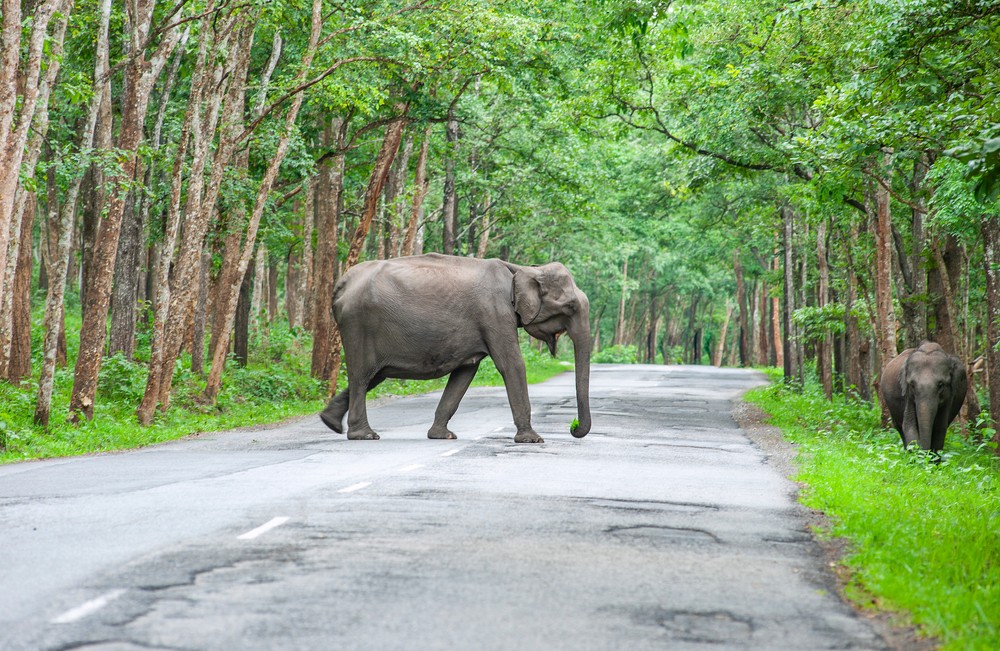
A wildlife sanctuary known for elephant sightings and diverse flora and fauna.
 attraction
 Edakkal Caves
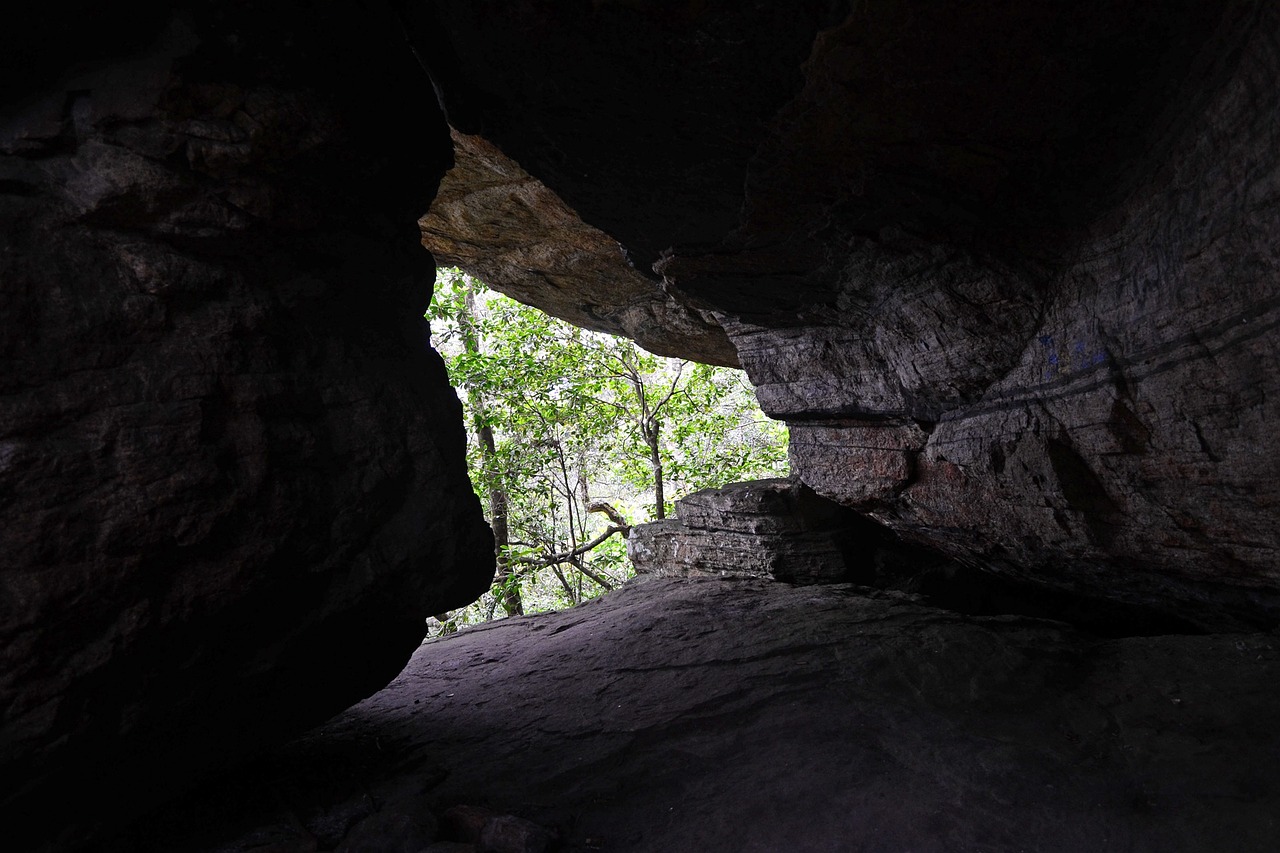
Ancient caves with prehistoric petroglyphs, offering a glimpse into human civilization from the Neolithic age.