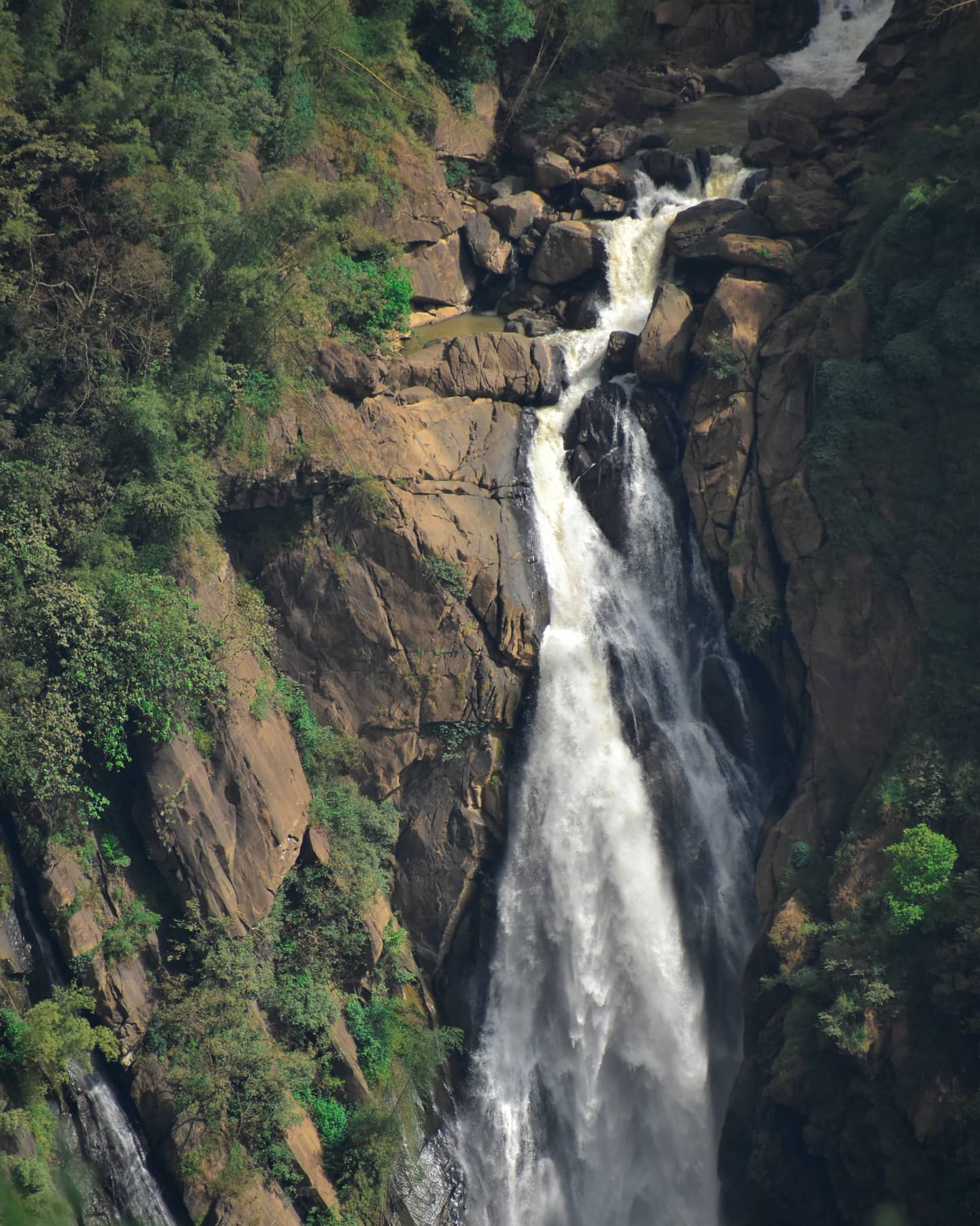
Meenmutty Waterfalls
Meenmutty Waterfalls is a stunning three-tiered waterfall in Wayanad, Kerala — the second largest in the state at 300m. Trek through forest trails to reach the base. Entry ₹30, best visited October–January.
Meenmutty Waterfalls is a three-tiered waterfall in Wayanad district, Kerala, standing approximately 300 metres tall and located 29 kilometres south of Kalpetta near Ooty Road, making it the tallest waterfall in the region and a premier destination for trekking enthusiasts and nature photographers.
Current Status
Meenmutty Waterfalls is currently closed to visitors due to landslide risks affecting the Wayanad region. The closure is a precautionary safety measure implemented to protect visitors and assess ongoing geological conditions. The trekking trail has been deemed unsafe during monsoon seasons and periods of heavy rainfall. Before planning a visit, it is essential to check with local authorities and tourism offices for the latest updates on reopening dates and current accessibility. The Wayanad Tourism Board recommends monitoring official websites and local news sources for information on when the site will be deemed safe for public access again.
Location and Geography
Meenmutty Waterfalls is situated in the Vellarimala area of Wayanad district in Kerala’s Western Ghats mountains, at approximately 11.58°N latitude and 76.08°E longitude. The falls originate from a series of streams flowing through the dense evergreen forests that characterize this region. The waterfall is accessible from multiple directions: approximately 29 kilometres from Kalpetta (the district headquarters), 35 kilometres from Sultan Bathery, and 45 kilometres from Kozhikode city. The falls are fed by seasonal streams and monsoon rainfall, creating the dramatic three-tiered cascade system that makes it a spectacular natural phenomenon during peak season.
The surrounding landscape consists of pristine Western Ghats vegetation, with steep rocky terrain and dense forest coverage that extends across the region. The area experiences significant elevation changes, contributing to the formation of such a dramatic waterfall system. The proximity to major towns combined with its relatively remote forest location makes it an ideal destination for those seeking adventure while remaining accessible from urban centers.
How to Reach
From Kalpetta: Take the Ooty Road towards the south for approximately 29 kilometres. The parking area is located near Vellarimala village. From Kalpetta town, you can hire private taxis or self-drive. Public buses operate towards Meppadi and nearby villages, though the last stretch may require hiring a local vehicle.
From Sultan Bathery: Drive west towards the Ooty Road junction, covering approximately 35 kilometres. This route passes through scenic plantations and forest areas, offering glimpses of Wayanad’s agricultural landscape.
From Kozhikode: The route involves crossing into Wayanad district via the Meppadi road, covering approximately 45 kilometres. This is the longest approach but offers diverse scenery as you ascend into the hill stations.
Local Transport: Once you reach the parking area, you must trek to the falls. Auto-rickshaws and jeeps can be hired from nearby villages to reach the base parking area. During peak season (October to February), the roads are generally well-maintained, but during monsoon, roads may become slippery and challenging.
The Three Tiers
Meenmutty Waterfalls features three distinct tiers, each with unique characteristics and swimming pools at the base.
The Upper Tier: The uppermost cascade drops approximately 80 metres and is the most dramatic of the three, with the water falling in a forceful sheet through a natural rocky channel. The upper tier is rarely visited due to its remote location and steep terrain. The surrounding forest here is particularly dense, with ancient trees providing spectacular natural framing for photography.
The Middle Tier: The second cascade descends another 110 metres and is the most accessible of the three tiers. This section has formed a large natural pool at its base, making it the primary swimming spot for visitors. The middle tier receives the full force of the water flow during monsoon season (July to September), when it becomes dramatically more powerful and visually stunning. The rocks around this tier are smooth from years of water flow and are considerably slippery even during dry season.
The Lower Tier: The final cascade descends approximately 110 metres and merges into the main stream that flows downstream. This tier is often surrounded by mist during monsoon, creating an ethereal atmosphere. The total combined height of all three tiers reaches approximately 300 metres, making Meenmutty the tallest waterfall in Wayanad district. The lower tier’s pool is slightly less dramatic than the middle tier but offers calmer waters suitable for photography and observation.
Trek Route and Difficulty
The trek from the parking area to the base of the waterfalls is approximately 2 kilometres, taking 45 minutes to 1 hour for an average person. The route is moderately difficult and involves a steep descent through forest terrain.
Route Details: From the parking area, the trail initially follows a relatively level forest path before entering the steep descent section. You’ll traverse through dense vegetation with minimal direct sunlight, which keeps the path cool but also makes it darker and more challenging to navigate. The trail is marked with occasional paint blazes on rocks and trees, though these are sometimes faint and may be difficult to follow during rainy seasons.
Terrain: The path involves walking over exposed tree roots, rocky outcrops, and sometimes loose stone surfaces. The descent becomes increasingly steep as you approach the waterfall, with some sections requiring careful footing. In several places, you may need to use natural handholds (tree branches and roots) to safely navigate steep sections. The final 100 metres involves a particularly challenging descent where the trail becomes more of a scramble than a walk.
Difficulty Level: While rated as moderately difficult, the trek can become challenging or even dangerous during or immediately after heavy rainfall. Slippery rocks, increased water flow, and poor visibility make the descent treacherous. The return journey uphill is more demanding than the descent, particularly for visitors not accustomed to hillside trekking.
Time Required: Allow approximately 45 minutes to 1 hour for the descent, 30-45 minutes at the waterfall site, and 1 to 1.5 hours for the ascent. Total visit time typically ranges from 3 to 4 hours.
Best Time to Visit
October to February: This is the ideal season to visit Meenmutty Waterfalls. During these months, the weather is cool and pleasant with daytime temperatures ranging from 15-25°C. Rainfall is minimal, and the trekking trail is dry and safer. The waterfalls maintain a good flow without being dangerously forceful. Clear visibility allows for excellent photography. Weekends during this season see significant visitor traffic, so weekday visits are recommended for a quieter experience.
July to September (Monsoon Season): During the monsoon, Meenmutty displays its most spectacular appearance with massive water volume and thundering cascades. The three tiers combine into a powerful spectacle, and the surrounding landscape is lush and vibrant. However, this season carries significant risks including slippery trails, increased risk of landslides, flash floods, and waterborne diseases. The descent becomes extremely hazardous, and the site is often closed. Only experienced trekkers should consider visiting during this period, and only when the site is officially open.
March to June (Summer): During summer, water flow decreases significantly as the region receives less rainfall. The waterfalls become less impressive visually, with reduced water volume and less dramatic cascades. However, the trail is dry and safe. Temperatures rise considerably, sometimes exceeding 30°C, making the trek physically demanding. This season sees fewer visitors.
Entry Fees and Timings
Current Operating Hours (When Open): 9:00 AM to 5:30 PM daily. Last entry is typically at 4:00 PM to allow sufficient time for descent and ascent.
Entry Fees:
- Indian Adults: ₹30 per person
- Indian Children: ₹15 per person
- Foreign Tourists: ₹60 per person
- Still Photography: ₹75 per camera
- Video Recording: ₹150 per video camera
Note: Fees are subject to change and may vary during peak season. Contact local tourism offices for current rates. Given the current closure, fees may not be applicable. When reopening occurs, verify all rates and hours with local authorities before visiting.
Flora and Fauna
Flora: The surrounding region is part of the Western Ghats’ evergreen forest ecosystem, hosting exceptional biodiversity. The forest canopy includes tall shade trees such as wild mango, teak, rosewood, and various species of fig trees. The understory comprises abundant ferns, mosses, and medicinal plants endemic to the Western Ghats. Bamboo groves are scattered throughout the forest, and seasonal wildflowers bloom during specific times of the year. The waterfall site itself supports moisture-loving plants including orchids, ferns, and mosses that thrive in the perpetual mist created by the falling water.
Fauna: The Meenmutty area hosts diverse wildlife typical of Western Ghats forests. Large mammals include Asian elephants, Indian bison (gaur), sambar deer, and spotted deer. Smaller mammals include wild boar, mouse deer, and various species of monkeys including Nilgiri langurs and Hanuman langurs. The area is home to several reptile species including the highly venomous king cobra and various species of pit vipers. Amphibian diversity is particularly high, with numerous endemic frog species. Insect life is abundant, with countless butterfly species, dragonflies, and aquatic insects.
Bird Life: Ornithologists frequent the area to observe species such as the Malabar grey hornbill, black woodpecker, emerald-fronted parrot, and various species of eagles and kites. The forest canopy provides habitat for numerous small bird species that are primarily heard rather than seen due to the dense vegetation. Stream-associated birds including kingfishers and various species of flycatchers can be observed around the waterfalls.
Photography Tips
Best Vantage Points: The base of the middle tier offers the most dramatic angle for capturing the full cascade with the natural pool in the foreground. The upper tier can be photographed from multiple angles, though reaching ideal positions may require extra scrambling.
Lighting: Early morning light (6:00-8:00 AM) provides soft illumination from the east, ideal for capturing the main cascade. Afternoon light (2:00-4:00 PM) is stronger and creates more dramatic shadows and highlights. Overcast days provide even, soft lighting without harsh shadows, often ideal for waterfall photography.
Camera Settings: Use slower shutter speeds (0.5-2 seconds) to create silky water effects. Neutral density filters help achieve slower shutter speeds in bright conditions. Wide-angle lenses capture the full cascade and surrounding forest context. Polarizing filters reduce glare from wet rocks and water surfaces.
Composition: Include rocks and forest elements in the foreground for depth. The naturally framed views created by overhanging branches add visual interest. Portrait orientation captures the full height of the cascades effectively.
Safety Note: When photographing, maintain firm footing on slippery rocks and never turn your back to the waterfall while focusing on the camera. Keep camera equipment secure as wet conditions can lead to slipping.
Safety Guidelines
Leech Prevention: Leeches are active in the forest, particularly during and after rain. Wear full-length clothing, apply salt or insect repellent to ankle areas, and tuck trousers into socks. Check your entire body for leeches after the trek. While leech bites are not dangerous, they bleed profusely and can cause itching for days.
Slippery Rocks: Rocks around the waterfall are extremely slippery even when appearing dry. Wear proper hiking boots with good grip rather than casual sneakers or sandals. Move slowly and carefully, particularly around pool areas. Never run or jump on rocks.
Swimming Dangers: The waters below the cascades are deceptively strong. Undercurrents and powerful currents exist. Never swim directly under the waterfalls. Avoid diving into pools. Be particularly cautious with children, as they should be supervised closely near any water bodies.
Monsoon Risks: During and immediately after heavy rainfall, flash flood risk is significant. Never visit during active monsoon rain. Stream water levels can rise rapidly and unpredictably. Landslides are possible on slopes above the trail.
Wildlife Safety: Elephants occasionally use this area. If you encounter wildlife, back away slowly without sudden movements. Never approach or feed any animals. Respect the forest as the primary habitat of these creatures.
Health Precautions: Drink only bottled water; do not consume stream water. Use sun protection (hat, sunscreen) despite the dense canopy. Carry basic first aid supplies including bandages, antibiotic cream, and insect repellent. Be aware that medical facilities are distant from the site.
What to Pack
- Sturdy hiking boots with good ankle support and grip
- Light but durable full-length pants and long-sleeved shirt
- Hat or cap for sun protection
- Daypack (15-20 liters capacity)
- At least 2 litres of water
- Packed snacks (energy bars, nuts, fruits)
- Sun protection (sunscreen, sunglasses)
- Waterproof camera cover or dry bag
- Insect repellent and leech salt
- Basic first aid kit
- Plastic bag for wet items
- Flashlight or headlamp (even for daytime visits as the forest is dense)
- Phone with emergency contacts (though coverage may be spotty)
- Swimwear if intending to swim
- Towel
Accommodation Nearby
Budget Options: Guesthouses and basic hotels in nearby Meppadi and Kalpetta offer affordable accommodation within 20-30 kilometres of the waterfalls. These typically cost ₹800-1,500 per night.
Mid-Range Resorts: Several resorts operate in Wayanad offering better amenities such as in-house restaurants, nature guides, and organized activities. Typical cost ranges from ₹2,000-5,000 per night.
Premium Resorts and Homestays: Luxury accommodations with plantation views and premium services are available throughout Wayanad. These range from ₹5,000-15,000+ per night.
Recommended Bases: Kalpetta town offers the most amenities and accommodation variety. Sultan Bathery provides a smaller town alternative. Resorts near Banasura Dam offer convenient proximity to both the dam and Meenmutty Waterfalls.
Nearby Attractions
Several other major attractions are within easy distance of Meenmutty Waterfalls, making it possible to combine multiple experiences into a single Wayanad visit:
Banasura Dam - Located approximately 15 kilometres from Meenmutty, this dam offers boating opportunities and scenic reservoir views. It’s an excellent complement to the waterfall experience, combining water-based activities with different landscapes.
Neelimala Viewpoint - Situated about 20 kilometres away, this vantage point provides panoramic views of the Wayanad plateau and surrounding mountains. The viewpoint is particularly stunning during sunrise and sunset.
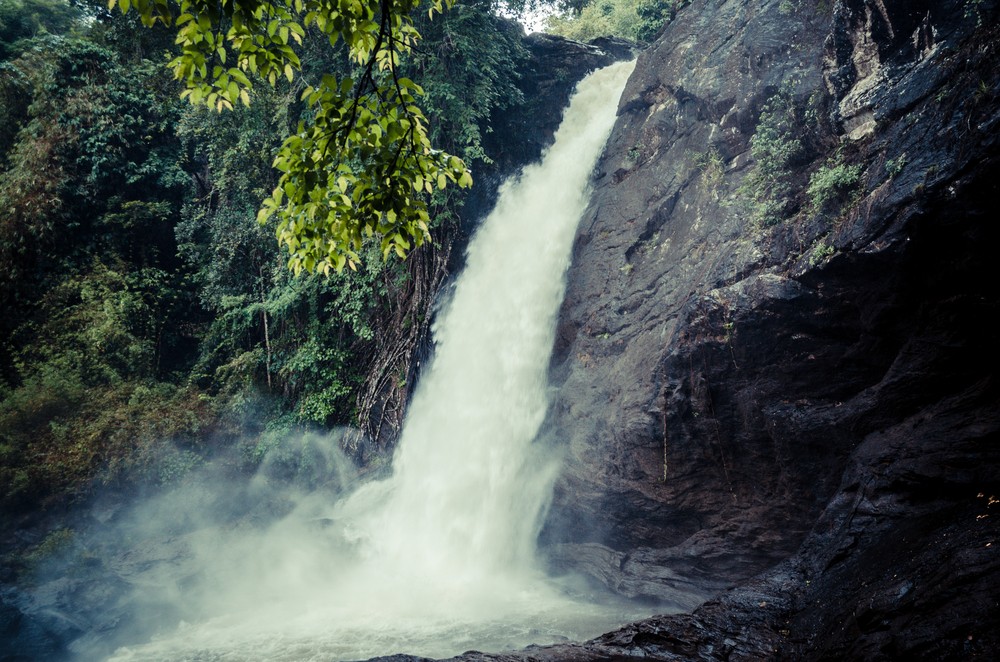
Soochipara Waterfalls - Located approximately 25 kilometres from Meenmutty, Soochipara offers another waterfall experience with different characteristics and trekking difficulty levels. Both can potentially be visited in a multi-day trip.
Visitor Tips and Recommendations
Best Day to Visit: Weekdays offer fewer crowds and a more peaceful experience. Avoid peak tourism season weekends if possible.
Guided Visits: Local guides are available and highly recommended, particularly for first-time visitors. Guides provide valuable information about flora, fauna, local history, and safe trekking routes. They can also help navigate the descent during low visibility conditions.
Group Size: Larger groups (8+ people) should arrange visits in advance and consider hiring multiple guides to ensure safety and minimize environmental impact.
Accessibility: This attraction is not suitable for persons with mobility limitations due to the steep terrain and challenging descent. Families with very young children should carefully assess their abilities before attempting the trek.
Environmental Responsibility: Stay on marked trails to prevent erosion and protect vegetation. Carry all garbage with you. Do not use soap or shampoo in the waterfall pools. Respect wildlife by maintaining distance and avoiding loud noises.
Explore Trip Plans
Plan Your Visit
Get help with stays, transport & itinerary for Meenmutty Waterfalls
Chat on WhatsAppFree trip planning assistance
Frequently Asked Questions
When is Meenmutty Waterfalls expected to reopen?
The reopening date for Meenmutty Waterfalls has not yet been confirmed. The situation is under ongoing assessment, and updates will be provided once it is deemed safe to reopen the area. For the latest information, please check local news sources or contact local authorities.
Is Meenmutty Waterfalls currently open to visitors?
Meenmutty Waterfalls is currently closed to visitors due to the landslide issues affecting the Wayanad region. The closure is a precautionary measure to ensure the safety of visitors and to address any potential risks resulting from the landslides.
What caused the closure of Meenmutty Waterfalls?
The closure of Meenmutty Waterfalls is due to recent landslides in Wayanad, which have affected the accessibility and safety of the area. The decision to close the site is to prevent accidents and manage the impact of these natural events.
Are there other attractions or activities to enjoy in Wayanad while Meenmutty Waterfalls is closed?
Yes, there are several other attractions and activities in Wayanad that you can explore. Consider visiting places like Edakkal Caves, Pookode Lake, or the scenic viewpoints and trails in Wayanad Wildlife Sanctuary. Be sure to check the current status of these sites and local travel advisories before planning your visit.
Can I get a refund for any bookings or fees related to Meenmutty Waterfalls?
For information on refunds or rescheduling related to Meenmutty Waterfalls, please contact the relevant service providers or tour operators. They will assist you with refund requests or provide alternative arrangements if needed.
How can I stay updated on the status of Meenmutty Waterfalls?
To stay informed about Meenmutty Waterfalls, monitor local news, visit official websites, or follow social media channels for updates. Signing up for notifications or alerts, if available, can also help you receive the latest information about the waterfalls and its accessibility.
meenmutty waterfalls in which district
Meenmutty Waterfalls is located in the Wayanad district of Kerala, India. It is one of the largest and most scenic waterfalls in the region, drawing tourists and nature enthusiasts due to its natural beauty and surrounding lush greenery.
where is meenmutty waterfalls?
Meenmutty Waterfalls is located in the Wayanad district of Kerala, India. Specifically, it is situated near the town of Vaduvanchal in the Western Ghats region of Wayanad. This region is known for its lush greenery, dense forests, and scenic landscapes, making Meenmutty Waterfalls a popular tourist destination in Kerala.
What is Meenmutty Waterfalls?
Meenmutty Waterfalls is a stunning natural waterfall located in the Wayanad district of Kerala, known for its three-tiered cascade and lush surroundings.
Where is Meenmutty Waterfalls located?
Meenmutty Waterfalls is situated near Vaduvanchal in the Wayanad district of Kerala, India, amidst the Western Ghats.
What is the distance to Meenmutty Waterfalls from Wayanad?
Meenmutty Waterfalls is approximately [distance] from Wayanad. The exact distance may vary depending on the starting point within Wayanad.
What are the timings of Meenmutty Waterfalls?
Meenmutty Waterfalls is generally open from early morning to evening. It is advisable to visit during daylight hours for safety reasons.
Is there an entry fee for Meenmutty Waterfalls?
Yes, there is usually a nominal entry fee to visit Meenmutty Waterfalls. The fee may vary for different categories of visitors.
How do I reach Meenmutty Waterfalls from Sulthan Bathery?
You can reach Meenmutty Waterfalls from Sulthan Bathery by road. Follow directions towards Vaduvanchal and then follow signs leading to the waterfall.
Are there resorts near Meenmutty Waterfalls?
Yes, there are resorts and accommodations available in nearby areas of Wayanad, offering a comfortable stay amidst nature.
What district is Meenmutty Waterfalls in?
Meenmutty Waterfalls is located in the Wayanad district of Kerala.
Nearby Places to Explore
 attraction
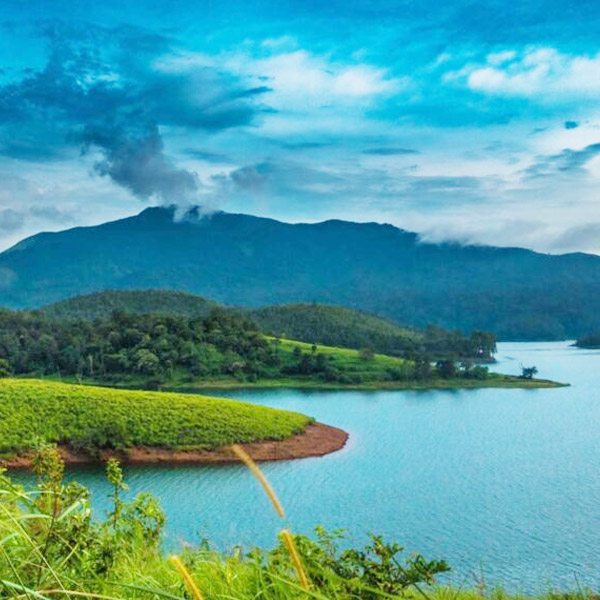
 Banasura Sagar Dam
A scenic earthen dam near Padinjarathara, Wayanad, with reservoir views and seasonal visitor activities. Check current access and boating availability before travelling.
 attraction
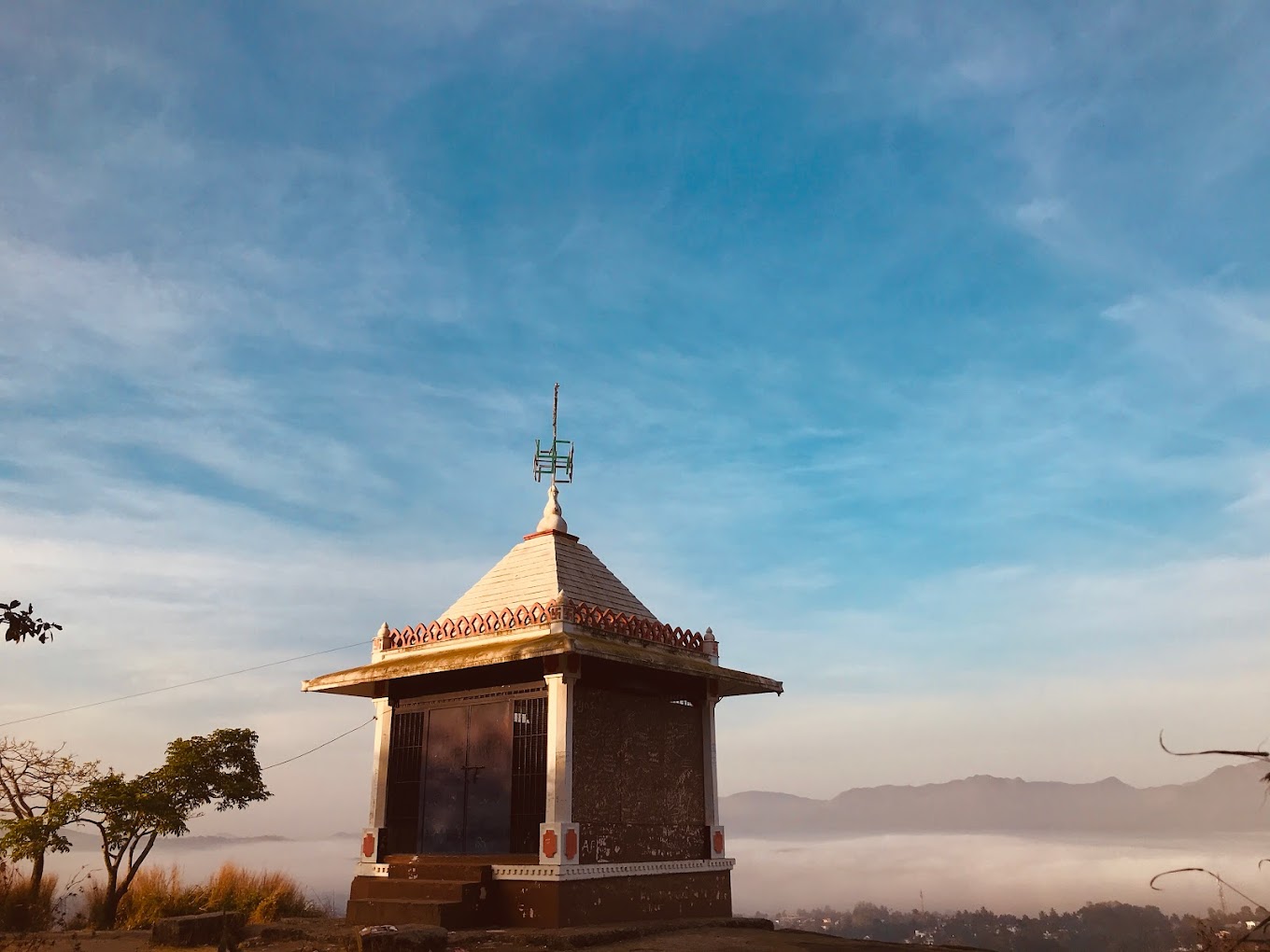
 Myladippara
Myladippara is a picturesque viewpoint in Wayanad.
 attraction
 Neelimala Viewpoint
Neelimala Viewpoint offers a breathtaking panorama of nature’s beauty.
 attraction
 Soochipara Waterfalls
Soochipara Waterfalls in Wayanad — a three-tiered waterfall with natural swimming pool, rock sliding, and 1.5 km forest trek. Entry ₹80–150. Open now.