Myladippara
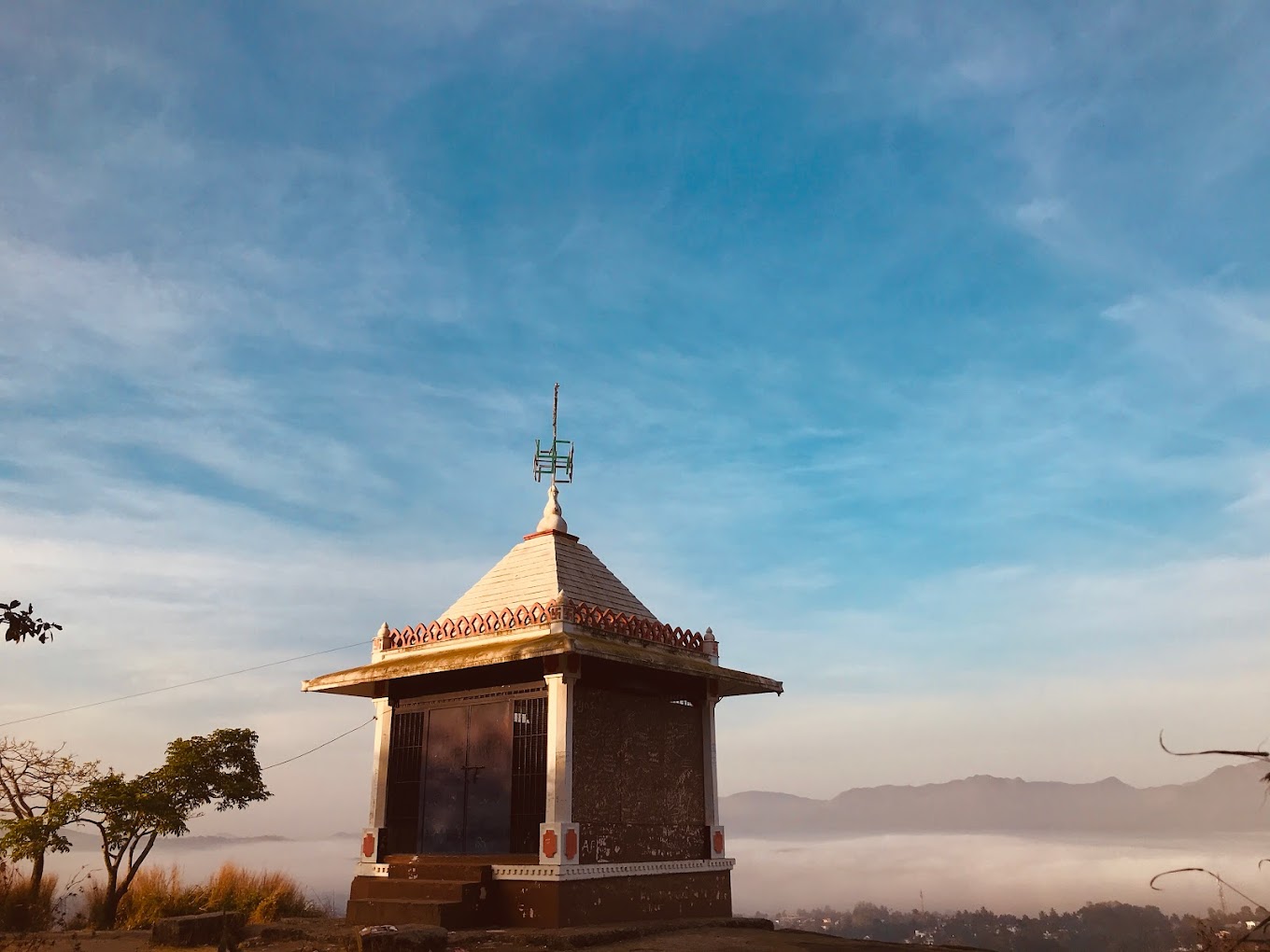
Myladippara is a picturesque viewpoint in Wayanad.
Myladippara is a breathtaking 360-degree panoramic viewpoint near Meppadi in Wayanad, distinguished by its dramatic exposed rock face and sweeping vistas of the Western Ghats plateau, verdant valleys, rolling hills, and the distinctly visible Chembra Peak and distant tea plantations that define the high country landscape.
Current Status
Myladippara remains accessible to visitors and is open to trekkers and nature enthusiasts. However, like many Wayanad attractions, visitors should check current local travel advisories regarding any weather-related trail closures or safety alerts. The site is best visited during the dry season (October-May) when weather conditions are stable and trails are in optimal condition.
Location and Geography
Myladippara is positioned in the high-altitude plateau region of Wayanad, situated approximately 10 kilometers from Kalpetta town center and roughly 8-10 kilometers from Meppadi, making it easily accessible by vehicle or trekking from either town. The viewpoint’s defining characteristic is its prominent exposed rock formation that rises above the surrounding terrain, creating a natural observation platform at approximately 1,500 meters elevation above sea level.
The geographical location places Myladippara within the transition zone between cultivated plateaus and wild montane forest. This positioning offers panoramic vistas that sweep across multiple distinctive landscape features: the characteristic green of the Wayanad plateau itself, the deeper forest valleys that represent protected shola forest ecosystems, the geometric patterns of tea plantations on favorable slopes, and the surrounding ridgelines of the Western Ghats that define the regional topography.
The exposed rock face that characterizes Myladippara is the result of ancient geological processes and represents the underlying rock structure of the plateau. This formation provides the dramatic edge where visitors stand to witness the landscape panorama below. The rock, composed of ancient metamorphic material typical of the Western Ghats geology, has been further shaped by weathering and occasional mass movement events that continue to modify its profile.
Myladippara’s position on the plateau edge makes it uniquely suited for comprehensive landscape observation. Unlike viewpoints located within valleys or on slopes, Myladippara’s elevation and exposed position provide unobstructed 360-degree views. Visitors can observe the landscape in all directions, making it particularly valuable for understanding the geography and structure of the Wayanad plateau region.
How to Reach
By Road from Kalpetta
From Kalpetta town center, Myladippara is approximately 10-11 kilometers away via the Kalpetta-Meppadi Road (also referred to as the State Highway or Main Bazaar Road depending on local nomenclature). The journey takes approximately 25-35 minutes by private vehicle, varying based on traffic and specific road conditions.
Directions from Kalpetta: Head towards the Meppadi direction on the main road exiting Kalpetta. Continue through successive small settlements and tea-growing areas. As you approach the Meppadi vicinity, look for local signage or inquire with locals for the specific turning towards Myladippara. The final approach involves ascending a minor road that leads to the base area of the viewpoint.
By Road from Meppadi
From Meppadi town, Myladippara is even closer at approximately 8-10 kilometers, requiring about 20-25 minutes of driving time. This route is preferred for visitors already staying in the Meppadi area or approaching from the Ooty side.
Trekking Approach
The most adventurous approach to Myladippara is via trekking, beginning from settlements in the valley below. Various treks of different difficulty levels can be designed depending on starting points:
- Short Trek (2-3 hours): From nearby villages on the plateau, a direct trek of 4-5 kilometers
- Extended Trek (4-5 hours): Combining sections through forest and grassland, offering more immersive nature experience
- Full-day Trek (6-8 hours): Incorporating multiple viewpoints and varied ecosystems into a comprehensive exploration
Local guides are available through homestays and tourism operators in Kalpetta and Meppadi and can arrange custom trekking routes based on visitor fitness levels and time availability.
Transportation Options
- Private Vehicle/Taxi: Offers maximum flexibility and comfort, recommended for those with limited trekking experience
- Jeep Rental: Available in Kalpetta and Meppadi, useful for reaching trail heads and providing driver support for transportation logistics
- Hiking/Trekking: Via arranged guides who can optimize routes based on visitor preferences and physical capability
The Viewpoint Experience
Standing at Myladippara’s exposed rock face, visitors encounter one of Wayanad’s most exhilarating panoramic vistas. The experience combines visual splendor with a palpable sense of elevation and exposure that distinguishes Myladippara from other viewpoints in the region.
The Dramatic Rock Face
Myladippara’s defining feature is its substantial exposed rock formation that creates a natural platform jutting from the plateau. The rock face itself is visually striking, displaying natural fracture patterns, color variations, and weathering features that reveal the geological history of the Western Ghats formation. For visitors comfortable with heights, standing at the very edge of the rock face creates an intensely dramatic perspective looking downward into the valleys far below.
The rock face varies in height depending on which section visitors access, ranging from platforms 10-15 meters above nearby terrain to some sections where the cliff edge extends 50+ meters vertically to lower elevations. This variation in height creates different psychological impacts and photographic possibilities.
360-Degree Panoramic Views
The viewpoint’s elevated position and open exposure provide unobstructed vistas in all directions. Visitors can rotate their perspective to observe:
- Northern Vista: Rolling hills and plateau terrain extending toward the Ooty plateau
- Eastern Outlook: Tea-covered slopes and distant forest areas
- Southern Perspective: Deep valleys, shola forest patches, and the distinctive profile of distant peaks
- Western View: The dramatic western face of the Western Ghats mountain range
Valley and Ridge System Visibility
Multiple valley systems are visible from Myladippara, each representing different stages of erosion and vegetation development. Deep ravines carved by ancient water courses create dark green corridors through the landscape. Some valleys are characterized by dense forest (shola forest), while others have been converted to agricultural use, particularly tea cultivation, creating distinctive light green patchwork patterns.
Distant ridgelines stack into the atmosphere, with each successive range becoming progressively fainter, creating a sense of immense horizontal scale and distance. On exceptionally clear days, visibility can extend to peaks more than 25-30 kilometers away.
Seasonal Landscape Changes
The panorama from Myladippara transforms dramatically through seasonal cycles. October-November features the bright, saturated greens of fresh vegetation growth following monsoon rains. December-February presents clear, dry-season vistas with maximum visibility and crisp atmospheric clarity. March-April sees the landscape taking on drier tones, with some vegetation stress becoming visible.
Trekking to Myladippara
Trek Characteristics and Difficulty
Overall Difficulty: Moderate, suitable for visitors with basic-to-intermediate fitness levels
Total Trek Distance: Varies by starting point, typically 6-12 kilometers round trip depending on which trail approach is selected
Total Trek Duration: 4-6 hours including exploration time at the viewpoint
Elevation Gain: Typically 200-400 meters depending on trail selection, not excessive but requiring sustained effort
Trail Features and Terrain
The trek to Myladippara features diverse terrain and vegetation types. Early sections often traverse tea plantation edges, where the cultivated landscape transitions to wild vegetation. Mid-trek sections pass through mixed montane forest patches interspersed with grassland clearings that provide excellent views and orientation points.
The final approach to the viewpoint involves ascending a steep but well-defined trail that leads directly to the rock face. In places, this final section becomes quite steep, requiring careful footwork and handholds. Tree roots and natural steps facilitate the ascent.
Seasonal Trail Conditions
October-May (Dry Season): Trails are generally well-maintained and manageable. The ground is firm, and water crossings are minimal. Vegetation has not overgrown the paths. This is the optimal trekking season.
June-September (Monsoon): Trails become slippery from moisture and mud. Visibility is often reduced by mist and cloud cover. Stream volumes can swell dangerously from upstream rainfall. Dense vegetation overgrowth can obscure sections of the trail. This season is best avoided except by experienced trekkers with local guides.
September-October (Post-Monsoon Transition): While vegetation is lush and scenery is dramatic, trails can still be treacherous from recent rains. Select this season only if you have trekking experience and reliable local guidance.
Flora Along Trek Routes
The diversity of vegetation zones along Myladippara trekking routes reflects the elevation gradient and varying moisture conditions. Lower elevation sections feature mixed deciduous and semi-evergreen forests with flowering species that produce striking seasonal displays. Mid-elevation zones transition to montane evergreen forest with towering shade trees, ferns, and mosses.
Upper elevation zones approaching Myladippara feature montane grassland patches interspersed with stunted shola forest, creating the characteristic landscape of the high plateau. Endemic plants found only in the Western Ghats occur throughout the trek, making botanical observation particularly rewarding.
Sunrise and Sunset Viewing
Sunrise Experience
Witnessing sunrise from Myladippara requires an early approach, with visitors arriving 45-60 minutes before dawn. The experience unfolds in dramatic color sequences: initial darkness gives way to deep blues and purples as light begins filtering over the distant eastern ridges. As the sun approaches the horizon, warm orange and red hues develop, intensifying as the sun breaks above the landscape.
The moment of sunrise at Myladippara is particularly impactful due to the dramatic rock face and exposed position. The sun’s rays create striking light patterns on the surrounding terrain, often illuminating distant peaks and creating silhouettes of ridgelines and prominent trees.
Sunrise Timings by Season:
- October-November: 6:15-6:45 AM
- December-January: 6:45-7:15 AM
- February-April: 6:00-6:30 AM
- May-June: 5:45-6:15 AM (if visiting despite heat)
Sunset Experience
The setting sun bathes the landscape in warm golden and amber tones at Myladippara. The late afternoon light creates particularly striking shadows and highlights across the terrain features visible from the viewpoint. The distant valleys and forests take on warm, inviting tones as the sun descends toward the western horizon.
Unlike sunrise, sunset at Myladippara often occurs in clearer atmospheric conditions, as daytime convection and wind patterns disperse morning mists that may have persisted at sunrise. This often results in better visibility and potentially more vivid color saturation during sunset viewing.
Sunset Timings by Season:
- October-November: 5:30-6:00 PM
- December-January: 5:00-5:30 PM
- February-March: 5:30-6:00 PM
- April-May: 6:00-6:30 PM
Photography Conditions
The two-hour periods surrounding sunrise (one hour before through one hour after) and sunset provide optimal lighting for landscape photography. The low angle of sun light emphasizes terrain features, creates warm color palettes, and produces dramatic shadows that enhance the three-dimensional quality of the landscape.
Flora Around the Trail
Forest Ecosystem Zones
The trekking routes to Myladippara pass through distinct vegetational communities that reflect the ecological diversity of the Western Ghats.
Lower Elevation Mixed Forest: Features semi-evergreen and deciduous species that undergo seasonal change. Notable trees include species from the laurel, myrtaceae, and other families. Flowering species produce seasonal displays of colors and attract various wildlife.
Montane Evergreen Forest: The dominant forest type at mid-to-upper elevations, featuring dense canopy with tall shade trees. These forests remain green year-round, relying on moisture from frequent fog and mist. Understory vegetation includes numerous fern species and low-light-adapted plants.
Montane Grassland: Open grassland areas on the plateau surface, characterized by grasses and low herbaceous plants. These areas often contain numerous flowering species that create colorful displays during specific seasons.
Shola Forest Patches: The unique mixed grassland-and-forest mosaic that characterizes the Wayanad plateau. Shola forests occupy protected ravines and depressions, while grasslands dominate exposed terrain. These ecosystems are exceptionally rich in endemic species found nowhere else on earth.
Notable Plant Species
The flora around Myladippara trek routes includes numerous endemic species, plants of economic importance, and species of conservation significance. Bird enthusiasts will appreciate the flowering plants that attract various avian species, particularly during fruit-bearing seasons.
Best Time to Visit
October to May: Optimal Season
October-November: Post-monsoon period with clearing skies, excellent visibility, and moderately cool temperatures (18-24°C). The landscape is at its greenest from monsoon moisture. Early morning mists create dramatic atmospheric effects. This is the prime visiting season.
December-January: Cool, dry months (12-18°C) with typically clear skies and maximum visibility. These months attract significant visitor numbers. Temperatures at elevation can approach near-freezing in early mornings, requiring warm layers.
February-April: Warm, dry season (20-26°C) with generally good visibility. Late April can see haze development from agricultural burning in lower elevations, potentially reducing visibility. Late April also brings increasing heat that makes trekking less pleasant.
May: Hot and dry with some atmospheric haze beginning to develop. Least desirable of the five months but still accessible.
June-September: Monsoon Season (Not Recommended)
During the monsoon months, the area receives substantial rainfall that makes trails slippery and challenging. Visibility is often severely reduced by clouds and mist. Steep sections of the Myladippara trail become particularly hazardous when wet. Weather can change rapidly and dangerously. Stream volumes swell from upstream rainfall. The area is best avoided during this season by general visitors, though experienced trekkers with guides may venture out for the dramatically lush scenery and moody atmospheric conditions.
Entry Fees and Timings
Operating Hours
- Opening Time: 6:00 AM (no formal gating, but this is a practical opening time for visits)
- Closing Time: 6:00 PM (safety considerations make visiting after dark inadvisable)
- Best Arrival Times: 1-2 hours before sunrise for sunrise visits; 2-3 hours before sunset for sunset visits
Entry Fees
No formal entrance fee is charged for visiting Myladippara. However, visitors typically incur expenses for:
- Local Guide Services: 400-700 Indian Rupees for half-day guidance from base to viewpoint and return
- Vehicle Transportation: If using private jeeps or taxis, costs typically range from 600-1,500 Indian Rupees depending on starting point and distance
- Parking: Minimal fees where parking areas exist (100-200 Indian Rupees)
Photography Tips
Essential Equipment
Wide-Angle Lenses: Critical for capturing the expansive panoramic vistas visible from Myladippara. 16-35mm range lenses (full-frame equivalent) excel at capturing the entire landscape sweep.
Standard Lenses: 35-85mm range lenses are useful for composing detail-focused images, isolating specific landscape features, and capturing the dramatic rock face formations.
Polarizing Filters: Particularly effective for enhancing sky saturation, reducing atmospheric haze and glare, and making distant features more prominent and defined.
Graduated Neutral Density Filters: Invaluable for balancing exposure between bright sky and darker landscape, especially during sunrise and sunset when contrast is extreme.
Sturdy Tripod: Essential for sunrise/sunset work and any long-exposure or slow-shutter photography. The exposed nature of Myladippara makes stable support crucial.
Composition Strategies
The Rock Edge as Foreground: Compose images to include the dramatic rock face edge in the foreground, using it as a compositional anchor that draws viewers’ attention into the panorama.
Layering Strategy: Use the multiple ridgelines receding into the distance to create compositional layers that emphasize depth and scale.
Dramatic Light on Terrain: Position yourself to capture sidelighting or backlighting that creates strong shadows and highlights across the visible terrain, emphasizing topography and three-dimensional form.
Leading Lines: Use valleys, ridgelines, and horizon lines as compositional guides that lead viewer attention through the frame.
Atmospheric Conditions: Include dramatic skies, cloud formations, or mist layers in compositions to add mood and visual interest beyond the static landscape.
Best Photography Conditions
- Sunrise Sequence: 30-90 minutes after sunrise when color is warm and light angle emphasizes landscape features
- Golden Hour: First two hours after sunrise and final two hours before sunset
- Dramatic Sky Conditions: Clear blue skies contrast with landscape; dramatic cloud formations add visual interest
- Post-Monsoon Clarity: September-October offers occasionally spectacular clear days with enhanced visibility
Safety Guidelines
Rock Face and Exposure Safety
The most significant hazard at Myladippara is the exposed rock face and cliff edges. Sections exist where the vertical drop exceeds 50 meters to terrain below. The rock surface can be slippery, particularly when wet from recent rains, dew, or mist. Some sections lack railings or safety barriers, requiring visitors to exercise extreme caution near edges.
Specific Precautions:
- Never approach edges without secure footing and awareness of your position
- Avoid running or rapid movements on the rock surface
- If the rock is wet, exercise exceptional caution or avoid the most exposed sections
- Never attempt stunts, extreme poses, or unnecessary risk-taking for photography
- Supervise children extremely carefully; the exposure presents serious hazards
Weather Safety
Mountain weather can change rapidly at Myladippara’s elevation. Clear morning conditions can deteriorate to afternoon cloud cover, mist, or electrical storms, particularly during monsoon transition seasons. Afternoon thunderstorms occur frequently during such periods.
- Check weather forecasts before visiting
- Descend if weather deteriorates and visibility reduces
- Avoid visiting during active rainfall or immediately after heavy rain when trails are slippery
Trail Hazards
Rocky and uneven ground throughout the trekking approach presents tripping hazards. Proper footwear with good grip is essential. Tree roots, exposed rocks, and steep sections require careful attention to foot placement.
- Wear sturdy hiking boots with good ankle support
- Use trekking poles to reduce joint stress on steep descents
- Move deliberately and avoid distractions while trekking
Altitude Considerations
While Myladippara’s elevation (approximately 1,500 meters) is relatively moderate, visitors unaccustomed to high altitude may experience mild breathlessness or headaches. Ascending gradually and maintaining good hydration help mitigate these effects.
Solo Traveling Safety
While Myladippara can be visited solo, hiring a local guide is recommended, particularly for trekking approaches and those unfamiliar with the area. Guides provide both directional assistance and safety management in remote terrain.
What to Pack
Essential Items
- Water: Minimum 2-3 liters per person; more if extending the visit or trekking from distant starting points
- Sunscreen: High-SPF protection (30+) applied frequently, as altitude intensifies UV exposure
- Hat or Cap: Essential sun protection, particularly at elevation where UV intensity is higher
- Hiking Boots: Sturdy footwear with good grip and ankle support, essential for rocky and potentially slippery terrain
- Light Layers: Early mornings and evenings can be cool; bring a lightweight fleece or windproof jacket
- High-Energy Snacks: Nuts, energy bars, dried fruit, and other sustaining foods
- First Aid Kit: Including bandages, pain relievers, blister treatment, and antibiotic ointment
- Headlamp or Flashlight: Essential for pre-dawn approaches to sunrise viewpoints
Highly Recommended
- Camera Equipment: For photography enthusiasts, bring tripods, filters, and multiple lenses
- Binoculars: Valuable for bird watching and observing distant landscape features
- Insect Repellent: Particularly important if visiting during monsoon transition when insects are active
- Light Rain Jacket: Weather can change; a lightweight jacket adds security
- Trekking Poles: Reduce stress on knees during descent, improve stability on steep sections
- Portable Charger: Useful for emergencies and photography documentation
Optional
- Journal or Sketchbook: For recording observations and artistic impressions
- Field Guide: Books for identifying flora, fauna, and geological features
- Extra Clothing: Additional layers for higher altitude or unexpected weather
Accommodation Nearby
Kalpetta (10 km away)
As Wayanad’s main town, Kalpetta offers the widest accommodation range:
- Christy’s Palace Resort: Mid-range resort with comfortable amenities and good service
- The Wayanad Gate: Contemporary hotel with modern facilities and restaurant
- Hotel Wayanad Gate Classic: Budget-friendly option with basic facilities
- Numerous Homestays: Family-run guesthouses offering authentic local experiences
Meppadi (8-10 km away)
The nearby hill station of Meppadi provides excellent proximity to Myladippara:
- Misty Mountain Resort: Popular mid-range property offering hill station ambiance and good views
- Karmic Garden Homestay: Boutique homestay with local hospitality and authentic meals
- Various Small Guesthouses: Multiple family-run options offering basic facilities and warm hospitality
Vythiri (15-20 km away)
An alternative hill station with premium accommodation options:
- Vythiri Resort: High-end property with extensive amenities and activities
- Pepper Trail: Boutique heritage resort with unique ambiance
- Mid-range Hotels: Several properties offering good quality accommodations
Local Homestays in Base Villages
Small settlements near Myladippara offer basic but authentic homestay accommodations where visitors can engage directly with local communities and enjoy home-cooked meals featuring local produce and traditional recipes.
Nearby Attractions
The region around Myladippara contains numerous complementary attractions accessible as day trips or multi-day exploration circuits:
Neelimala Viewpoint
Located approximately 12-15 kilometers from Myladippara, Neelimala Viewpoint provides a different panoramic perspective of the Wayanad plateau and features views of the spectacular Meenmutty Falls visible in the distance. While currently closed due to landslide safety concerns, Neelimala offers an alternative high-elevation viewpoint experience when it reopens. The landscape perspectives from Neelimala and Myladippara complement each other, making a tour of both sites highly rewarding.
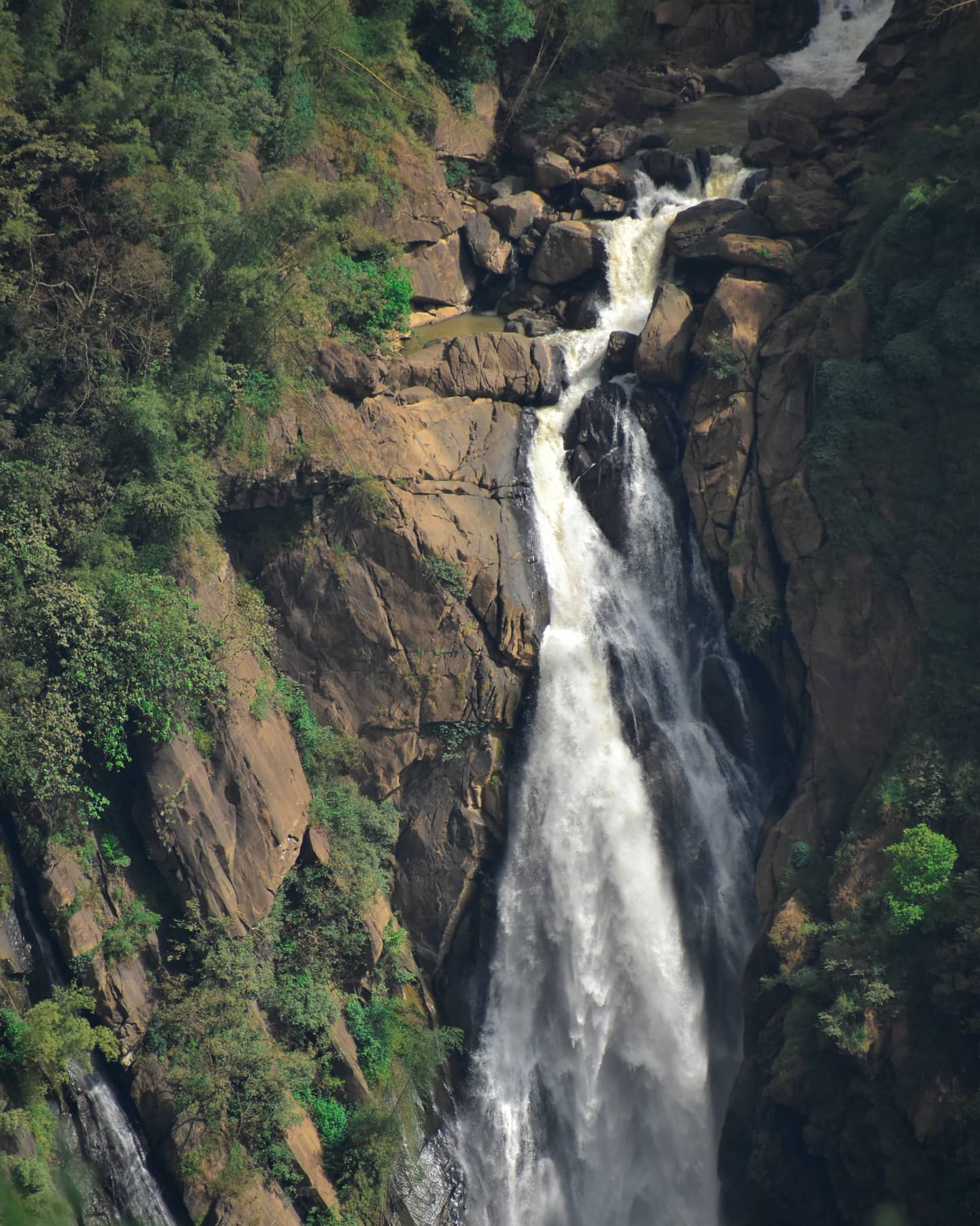
Meenmutty Waterfalls
Approximately 10-15 kilometers from Myladippara, Meenmutty Waterfalls features a spectacular multi-tiered cascade plunging into a dramatic gorge. The falls, often visible from afar due to their impressive height, offer a completely different experience from the panoramic viewpoints. The trekking route to Meenmutty passes through lush forest and enables up-close engagement with the ecosystem and waterfall experience. Meenmutty is most impressive during and immediately after monsoon when water volume is maximum.
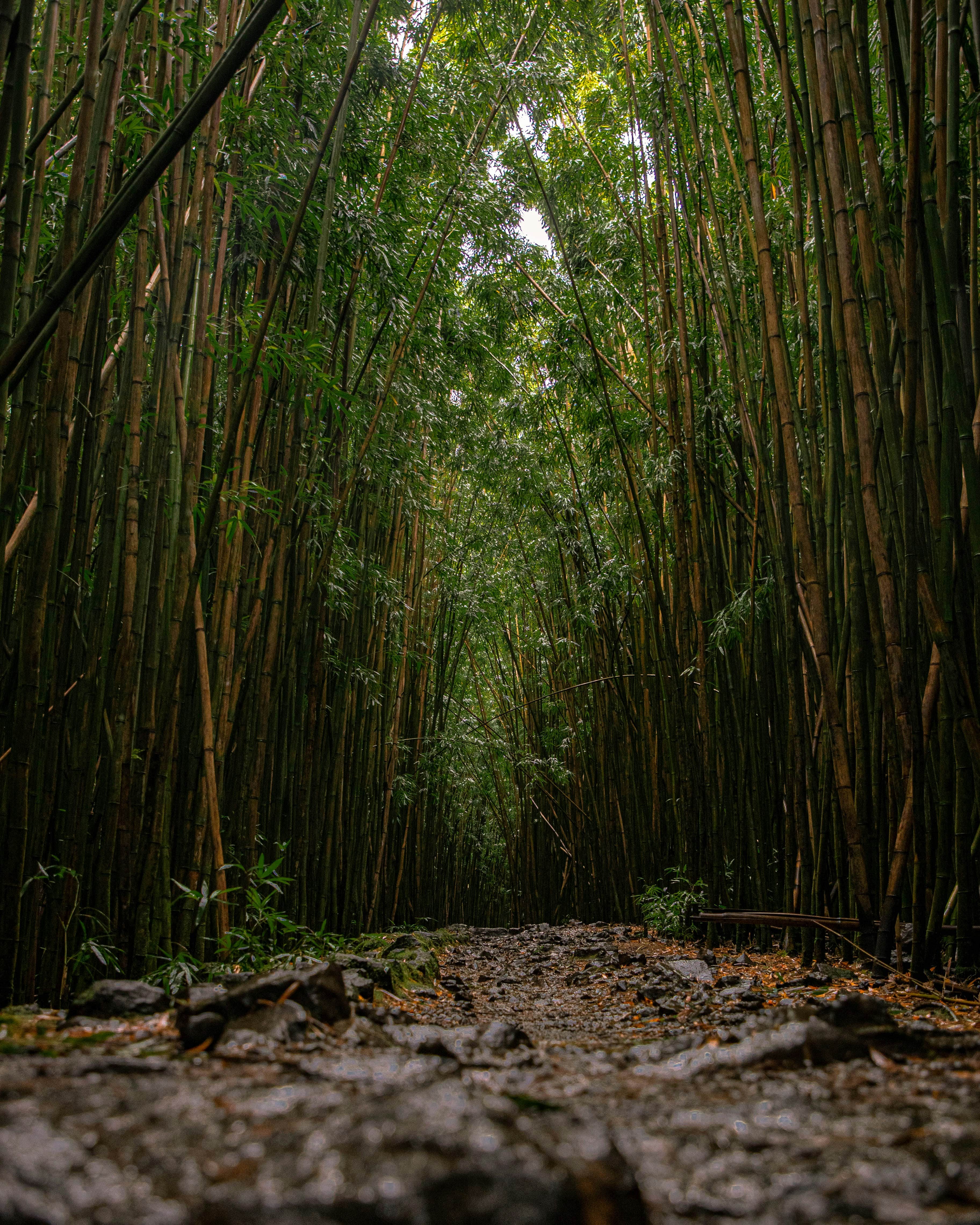
Bamboo Forest
Located approximately 8-12 kilometers from Myladippara, the Bamboo Forest offers a distinctly different but equally captivating natural experience. The dense groves of towering bamboo create an ethereal atmosphere, particularly in early morning light. The forest features well-maintained trails, making it accessible to visitors of varying fitness levels. The quiet, contemplative atmosphere contrasts beautifully with the exposed energy of Myladippara.
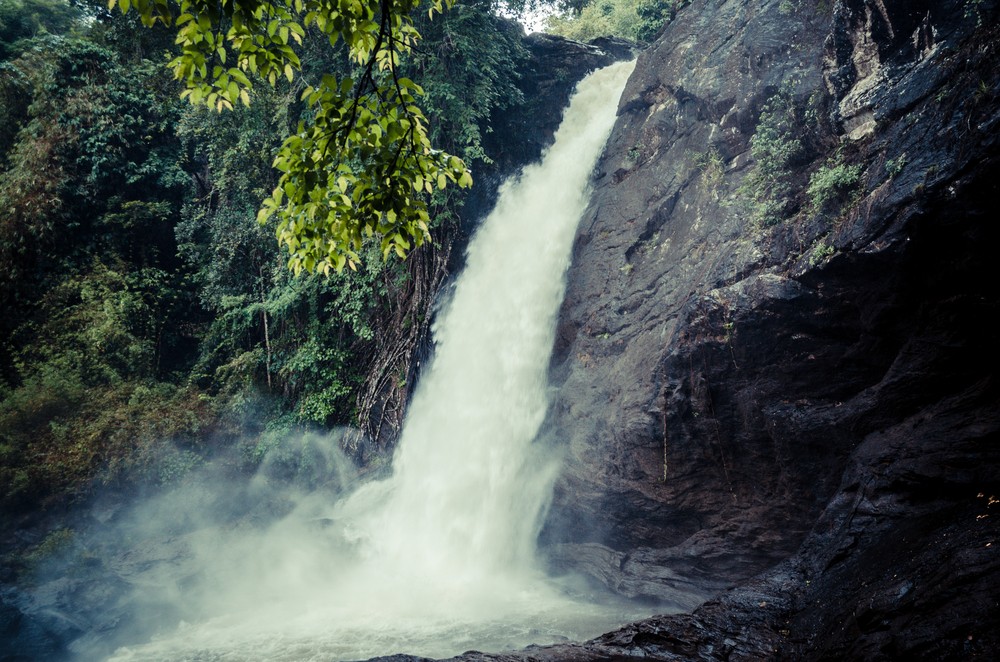
Soochipara Waterfalls
Approximately 12-18 kilometers from Myladippara, Soochipara Waterfalls (also called Sentinel Rock Waterfalls) presents another impressive waterfall experience in a dramatic gorge setting. The trek to Soochipara is moderately challenging and offers immersion in diverse forest ecosystems. A natural pool at the waterfall base permits swimming, offering refreshing immersion in the cool mountain waters.
Experiencing Myladippara Responsibly
As a delicate high-altitude ecosystem feature within the Western Ghats, Myladippara warrants thoughtful visitor engagement:
- Stay on Established Trails: Minimize erosion and vegetation damage by adhering to marked paths
- Respect the Rock Face: While the dramatic edge is the primary attraction, remember that it’s a genuine hazard; view it with appropriate respect and caution
- Leave No Trace: Carry out all refuse, including organic items that decompose slowly at altitude
- Minimize Noise: Respect the peaceful environment and avoid startling wildlife
- Support Local Communities: Engage local guides and homestay providers to ensure economic benefits reach local populations
- Respect Safety Closures: If temporary closures are announced due to weather or hazard conditions, respect these closures entirely
Explore Trip Plans
Plan Your Visit
Get help with stays, transport & itinerary for Myladippara
Chat on WhatsAppFree trip planning assistance
Frequently Asked Questions
Where is Myladippara located?
Myladippara is located near Kalpetta in Wayanad, Kerala. It is about 10 km from Kalpetta and can be accessed via the Kalpetta-Meppadi Road.
What are the timings for Myladippara?
Myladippara is open daily from 6:00 AM to 6:00 PM.
Is there an entry fee for Myladippara?
No, there is no entry fee for visiting Myladippara.
What activities can be done at Myladippara?
Visitors can enjoy activities such as trekking, bird watching, photography, and picnicking.
What is the best time to visit Myladippara?
The best time to visit Myladippara is from October to March when the weather is cool and pleasant.
Are there any facilities at Myladippara?
Yes, basic facilities such as parking, restrooms, and small food vendors are available at Myladippara.
How far is Myladippara from Kalpetta?
Myladippara is approximately 3 km from Kalpetta.
What should I bring when visiting Myladippara?
It is recommended to bring comfortable hiking shoes, water, sun protection, and a camera for photography.
Nearby Places to Explore
 attraction
 Bamboo Forest
Visit the Bamboo Forest in Wayanad — a natural bamboo grove near Muthanga with towering 30-metre culms, free entry, wildlife sightings, and easy forest walks. 20 km from Kalpetta.
 attraction
 Meenmutty Waterfalls
Meenmutty Waterfalls is a stunning three-tiered waterfall in Wayanad, Kerala — the second largest in the state at 300m. Trek through forest trails to reach the base. Entry ₹30, best visited October–January.
 attraction
 Neelimala Viewpoint
Neelimala Viewpoint offers a breathtaking panorama of nature’s beauty.
 attraction
 Soochipara Waterfalls
Soochipara Waterfalls in Wayanad — a three-tiered waterfall with natural swimming pool, rock sliding, and 1.5 km forest trek. Entry ₹80–150. Open now.